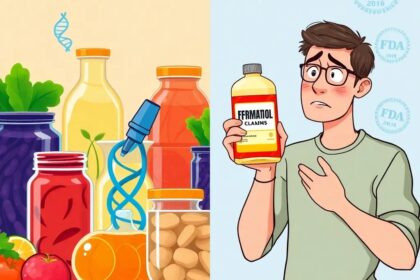
Fermented foods like kimchi and kefir are trending, but not all products deliver proven benefits. This analysis reviews the latest science and regulatory gaps. From TikTok trends to grocery aisles, fe...
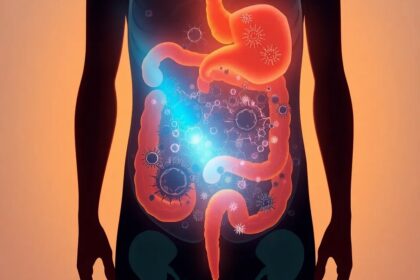
New studies show that aged gut microbes drive systemic aging via extracellular vesicles, while pulsed ultrasound restores microbiome diversity and improves muscle function in mice. Aging gut microbes ...
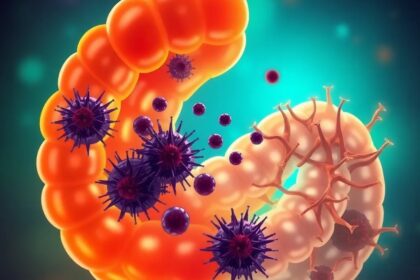
Aged gut microbes release harmful extracellular vesicles that damage tissues, offering new therapeutic targets beyond fecal transplants. A groundbreaking study shows that aged gut bacteria secrete ves...
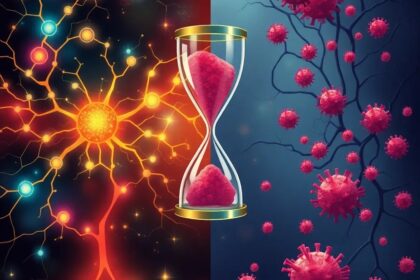
New research links inflammaging and immunosenescence to Alzheimer’s and Parkinson’s, with immune-modulating therapies showing early promise. Aging of the immune system accelerates brain di...

New study shows young donor FMT reduces liver inflammation and tumor incidence in old mice by downregulating MDM2, highlighting gut-liver axis in aging and cancer. New research demonstrates that trans...
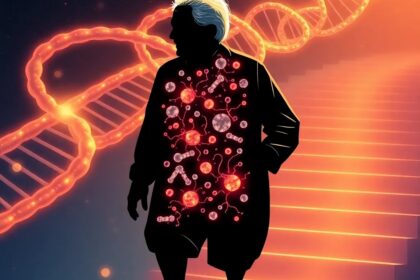
New research links exercise-induced gut microbiome changes to better physical function in seniors, suggesting personalized probiotics could enhance healthy aging. Regular moderate activity boosts bene...
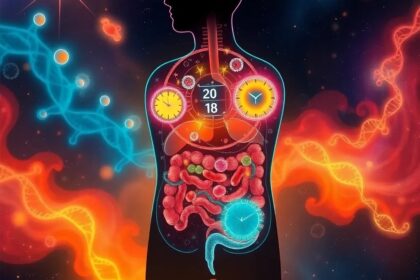
Recent studies show aging clocks integrating clinical and microbiome data can predict biological age, enabling personalized anti-aging interventions through tailored diets and therapies. Advancements ...
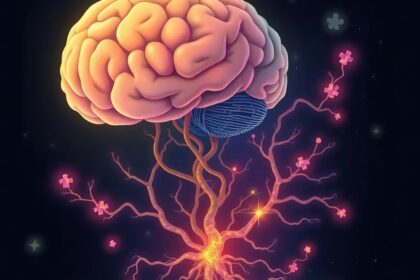
Recent studies highlight how probiotics and fecal microbiota transplantation reduce neuroinflammation and improve cognitive function in neurodegenerative diseases, offering new treatment avenues. New ...
Recent research demonstrates how reduced protein intake promotes white fat browning through gut bacteria interactions, mimicking calorie restriction effects for potential obesity and aging therapies. ...
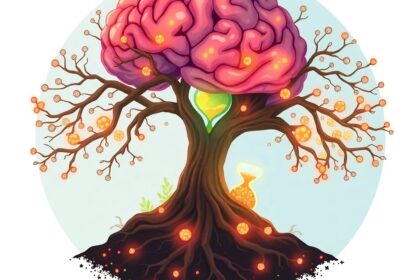
Recent 2023 research shows age-related gut microbiome shifts drive brain inflammation and cognitive decline, with fecal microbiota transplantation and anti-inflammatory diets emerging as promising ant...