
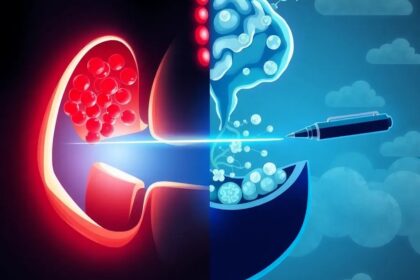
A new near-infrared photothermal therapy precisely destroys P. gingivalis, treats periodontitis, and safeguards the oral microbiome, potentially reducing systemic inflammation and age-related diseases...

A new systems-biology framework explains why lifespan extension becomes harder with organism complexity, urging a shift from single agents to multi-target combination therapies. A new theory says comp...
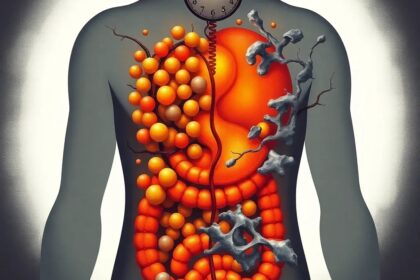
New research reveals how age-related shifts in gut bacteria alter bile acid metabolism, driving inflammation and metabolic decline. Restoring youthful microbial communities may become a key anti-aging...

Aging blood stem cells weaken immunity. Latest research shows drugs and reprogramming can restore their function, promising healthier aging. New research reveals that aging blood stem cells can be pha...
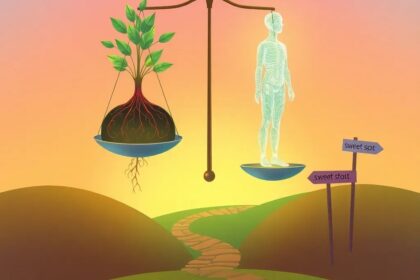
New research shows moderate plant-based protein restriction can lower biological age and improve metabolic health, but optimal intake varies across life stages. A growing body of evidence suggests tha...
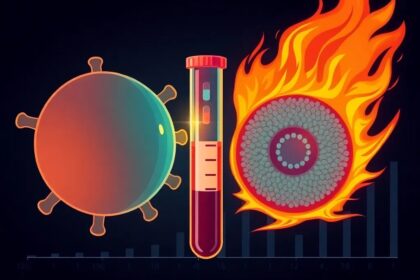
Recent research quantifies how systemic inflammation, measured by CRP and immune cells, contributes to mortality risk in older adults, with strong implications for diabetes care. A new large-scale stu...

New economic analysis from the WEF and Nature Aging shows that extending healthy lifespan could yield trillions in annual gains, but only if anti-aging therapies are made universally accessible, not j...
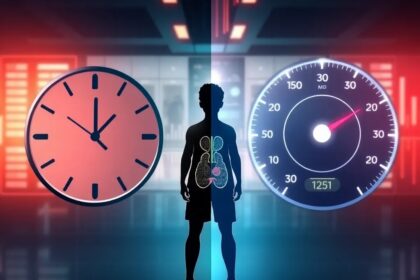
A new biomarker derived from the Framingham Heart Study measures the speed of biological decline, offering a more sensitive endpoint for anti-aging clinical trials. A rate-based biomarker from the Fra...
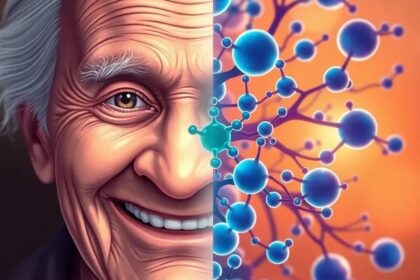
A Nature Aging study found that centenarians harbor Clostridium scindens, which produces indole-3-acetic acid, restoring gut barrier integrity in aged mice and offering new targets for healthy aging t...

Researchers combine dichloroacetate and metformin with a 10-fold lower Navitoclax dose, selectively clearing senescent cells while limiting platelet toxicity and advancing clinical senolytic use. A ne...