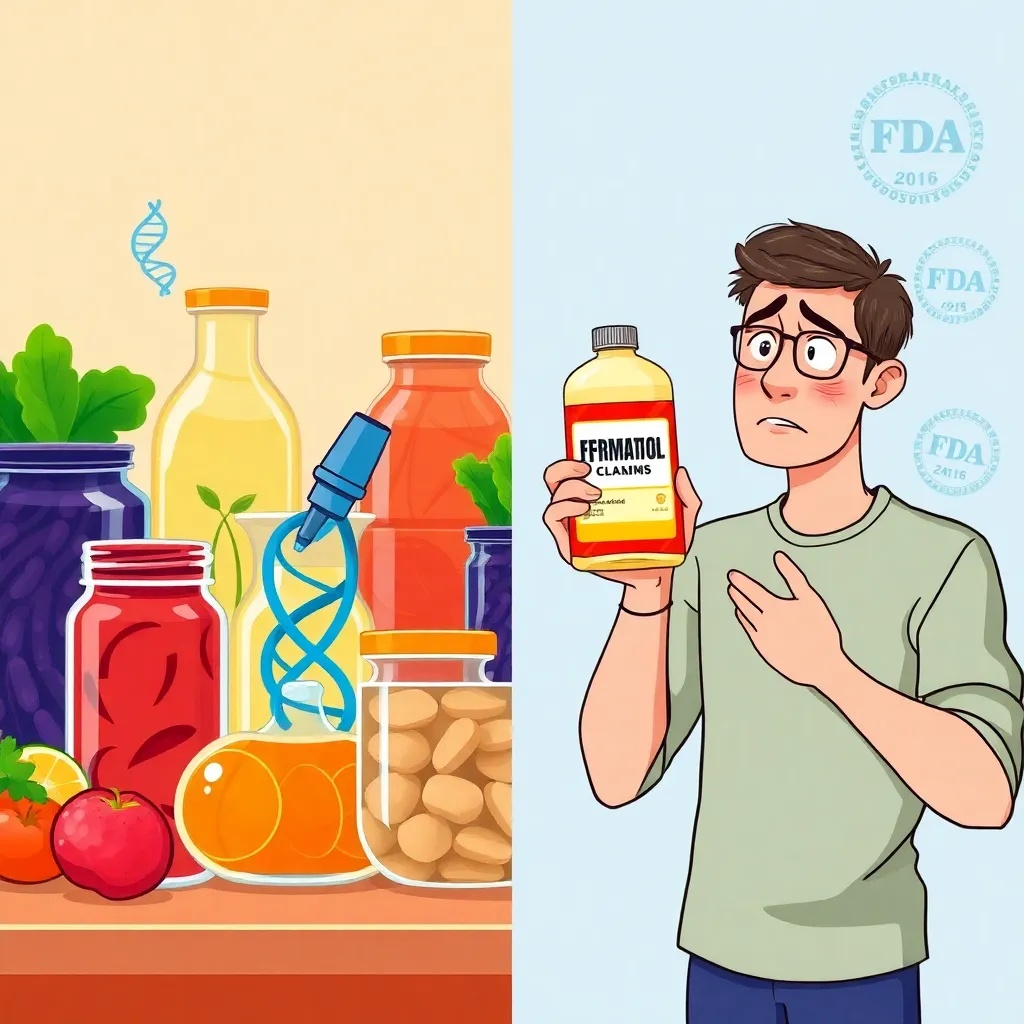
Fermented foods like kimchi and kefir are trending, but not all products deliver proven benefits. This analysis reviews the latest science and regulatory gaps.
From TikTok trends to grocery aisles, fermented foods are everywhere. But does the science support the hype?
The gut health movement has found a powerful new ally: fermented foods. From tangy kimchi to creamy kefir and crunchy sauerkraut, these ancient staples are experiencing a modern renaissance. Sales of kimchi in the U.S. jumped 58% in 2023, driven by TikTok virality and a growing appetite for probiotic-rich options, according to SPINS data. But as consumer enthusiasm soars, scientists are urging caution. Not all fermented foods are created equal, and the line between genuine health benefit and clever marketing is often blurred.
The Science of Fermentation: More Than Just Probiotics
Fermentation is a natural process where microorganisms like bacteria, yeast, or molds break down food components. This process not only preserves food but also enhances its nutritional profile. A 2023 review in Food Chemistry highlights that fermentation reduces anti-nutrients—compounds that interfere with mineral absorption—making nutrients like iron, zinc, and calcium more bioavailable. For instance, the lactic acid in sauerkraut increases the solubility of these minerals. Additionally, fermentation can generate new vitamins, such as B12 in certain fermented bean products and vitamin K2 in cheese and natto.
But the star attraction is the live microorganisms—probiotics—that populate many fermented foods. A landmark 2023 study published in Cell found that a diet rich in fermented foods increased microbiome diversity and reduced inflammatory markers in a controlled trial. The study, conducted at Stanford University, assigned participants to either a high-fermented-food diet or a high-fiber diet for 10 weeks. Those eating fermented foods showed a decrease in 19 inflammatory cytokines, including interleukin-6, a key driver of chronic inflammation.
Gut-Brain Axis: Fermented Foods and Mental Health
The connection between gut health and mental well-being is one of the most exciting areas of research. A 2022 meta-analysis in Nutrients examined 15 randomized controlled trials and found that probiotics from fermented foods significantly reduced symptoms of anxiety. The authors noted that the effect was strongest in individuals with elevated baseline anxiety levels. “The gut-brain axis is a bidirectional communication pathway,” explains Dr. Emeran Mayer, a gastroenterologist at UCLA and author of The Mind-Gut Connection. “Fermented foods can influence this axis by modulating the microbiome and, in turn, affecting brain chemistry.”
More recent evidence emerged in 2024. A study in Nature Microbiology monitored a cohort of 1,500 adults over four years and found that regular consumption of fermented foods was associated with lower levels of pro-inflammatory cytokines. “These findings support the idea that diet can shape our immune system and even our mood,” says lead author Dr. Sarah Lebeer, a microbiologist at the University of Antwerp. However, she cautions that correlation is not causation, and more mechanistic studies are needed.
The Marketing Gap: When Probiotic Claims Outpace Reality
Despite the promising science, the fermented food market is fraught with challenges. Not all fermented products contain live cultures at the time of consumption. Many commercial sauerkrauts are pasteurized to extend shelf life, killing the beneficial bacteria. Similarly, some kefir brands add sugar and flavorings that negate health benefits. A Harvard Health blog from March 2024 highlighted that while fermented foods can support mental health, they should not replace medical treatments. “Think of them as part of a healthy diet, not a cure-all,” the blog advises.
The U.S. Food and Drug Administration (FDA) has taken notice. In April 2024, the agency issued updated guidance on labeling requirements for live and active cultures in fermented products. The guidance emphasizes that terms like “probiotic” must be backed by evidence of viable microorganisms at the claimed levels throughout the product’s shelf life. However, enforcement remains inconsistent, and many products evade scrutiny. “There’s a regulatory gray area,” says Dr. Mary Ellen Sanders, executive director of the International Scientific Association for Probiotics and Prebiotics (ISAPP). “Consumers need to look for specific strain names and colony-forming unit (CFU) counts on labels to ensure they’re getting what they pay for.”
Choosing Wisely: Evidence-Based Criteria for Fermented Foods
So how can consumers navigate the fermented food aisle? Experts recommend choosing unpasteurized, refrigerated products with minimal additives. Look for labels that list live cultures and specify strains, such as Lactobacillus plantarum or Bifidobacterium lactis. Fermented vegetables like kimchi and sauerkraut should be kept refrigerated and consumed before the expiration date to ensure viability. Additionally, variety matters: different fermented foods harbor different microbial strains. “Eating a range of fermented foods is more beneficial than sticking to one,” notes Dr. Lebeer.
The NIH Human Microbiome Project released new data in early 2024 showing that individuals who regularly consume sauerkraut harbor unique bacterial strains not found in non-consumers. These strains are associated with enhanced production of short-chain fatty acids, which support gut barrier integrity. Yet, the study also found that responses are highly individualized. “One person’s probiotic might be another’s placebo,” warns Dr. Mayer.
Looking Back: The Context of Fermented Food Trends
The current fascination with fermented foods echoes previous wellness trends. In the 1990s, consumers embraced biotin for hair and nails, only to later discover that deficiency was rare and over-consumption ineffective. In the 2000s, hyaluronic acid became a beauty supplement darling, but studies showed oral benefits were modest unless combined with topical use. Similarly, collagen supplements saw a surge in the 2010s, but recent evidence suggests that the body metabolizes collagen into amino acids rather than directly targeting skin. Fermented foods follow a similar pattern: initial enthusiasm often outpaces the science.
What distinguishes this trend is the depth of historical and scientific backing. Fermentation has been practiced for millennia across cultures, from Korean kimchi to German sauerkraut and Middle Eastern labneh. The microbiome field has exploded in the last decade, with studies linking gut health to immunity, mood, and even cognitive function. The market for fermented foods and ingredients is projected to grow at a compound annual growth rate (CAGR) of 7.5% through 2030, according to Grand View Research. Kefir and kimchi lead sales, but new entrants like fermented hot sauce and probiotic granola are emerging.
Yet, the parallel to past trends serves as a cautionary tale. Overhyping single ingredients or products can lead to consumer disappointment and regulatory backlash. The FDA’s 2024 guidance is a step toward transparency, but enforcement remains lax. Meanwhile, the scientific community calls for more rigorous clinical trials to establish dosage, efficacy, and safety for specific health claims. “We need to separate the signal from the noise,” concludes Dr. Sanders. “Fermented foods are a valuable part of a healthy diet, but they are not a panacea.” The key is to enjoy them as part of a varied, whole-foods diet—and to read labels with a discerning eye.