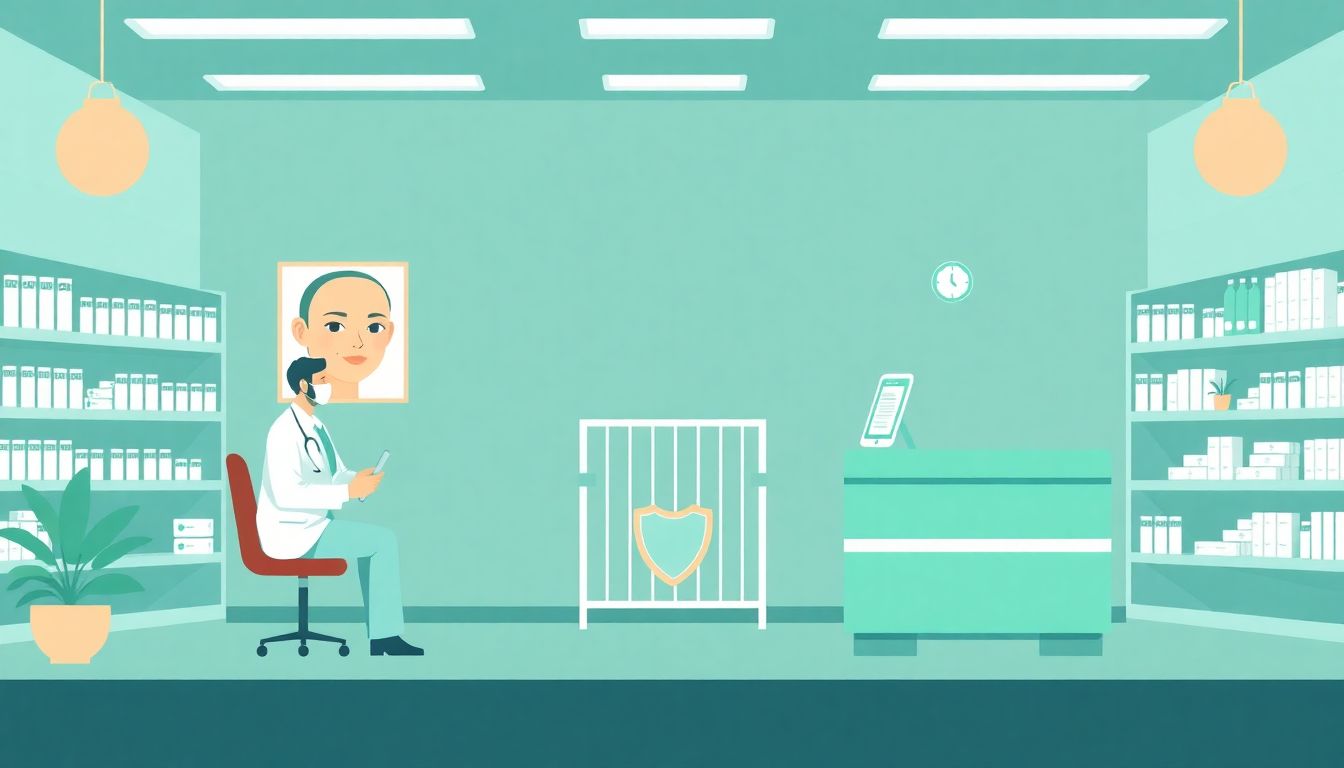
Selling regulated dermatology treatments isn’t e-commerce with extra steps — it’s prescription verification, pharmacist oversight, and rules that differ by jurisdiction, usually stitched across a fragile multi-vendor stack. One self-hosted platform where the storefront, the consultation, and the compliance rules live together.
The patient experience is good. The infrastructure under it is a compliance liability waiting to surface.
Teledermatology is one of medicine’s genuine digital success stories — a photo of a rash, a specialist opinion, a prescription, all without a waiting room. But behind the tidy patient experience sits a mess: the consultation runs on one system, the prescription on another, the pharmacy fulfilment on a third, and compliance with pharmacy law is stitched across all of them by hope. Skin conditions are common, chronic, and image-friendly, which makes dermatology the perfect place to see both the promise and the plumbing problem.
The compliance sprawl problem
Selling regulated products — prescription dermatology treatments, restricted-strength topicals, even some cosmeceuticals — is not e-commerce with extra steps. It’s a regulated activity with real obligations that differ by jurisdiction: prescription verification, pharmacist oversight, age and identity checks, record-keeping, and rules about what can be sold to whom and where. In the EU and US these differ enough that “just use a standard online store” quietly becomes non-compliant the moment a real prescription is involved.
So dermatology-and-pharmacy operators end up bolting a subscription plugin here, a compliance module there, a webhook to a pharmacy system, and a separate teledermatology tool on top — a fragile stack where the storefront doesn’t know what the consultation knows, and neither fully owns the patient relationship.
A different approach: one platform, compliance built in
The alternative is a platform where the storefront, the consultation channel, and the compliance rules live in the same system. A self-hosted, source-available platform like VBWD is designed around exactly that kind of composition — with the standing caveat that it is commerce-and-communications infrastructure, not a medical device, and the clinical judgement always belongs to the prescriber.
The pieces line up. A shop engine with configurable product types can model the difference between an over-the-counter moisturiser and a prescription-gated treatment, applying the right checks to each. A secure messaging and image channel carries the teledermatology consultation — a photo of the affected skin, the clinician’s response — on infrastructure the operator controls rather than a consumer app. Access controls and gated products enforce who can buy what. Subscription billing handles the repeat-prescription model that chronic skin conditions naturally fit. And provider-agnostic payments, including regional processors, keep the checkout working across the jurisdictions the compliance rules already differ across. The plugin catalogue and pricing page show how the commerce pieces assemble.
The compliance reality check
Here is the line that matters, because pharmacy is heavily regulated and overclaiming is dangerous. A platform can enforce rules you configure — gate a product behind a prescription, require an identity check, keep the records — but it cannot decide what your legal obligations are, and it is not itself a licensed pharmacy or a compliance guarantee. The prescriber prescribes; the pharmacist oversees; the operator holds the licences and the legal responsibility. Software makes a compliant workflow easier to build and harder to accidentally break. It does not replace the pharmacist, the prescriber, or the regulatory approval — and any dermatology-plus-pharmacy deployment needs proper legal and pharmacy sign-off before it touches a real patient.
Why it matters
The teledermatology experience is good; the infrastructure under it is usually a compliance liability waiting to surface. Consolidating the storefront, the consultation, and the rule-enforcement into one self-hosted platform the operator owns turns a fragile multi-vendor stack into a single system with the patient data and the compliance logic under one roof. For a field as image-driven and prescription-heavy as dermatology, that’s the difference between a demo that impresses and a service that survives an audit. VBWD is free for commercial use below a defined revenue threshold, making owned, compliant infrastructure reachable for the independent pharmacies and clinics that need it most.
General information for pharmacy, dermatology, and technology decision-makers, not medical, legal, pharmaceutical, or regulatory advice. Selling regulated products and delivering telemedicine carry jurisdiction-specific legal obligations; obtain qualified legal and pharmacy review before deployment. VBWD is infrastructure, not a licensed pharmacy or a medical device.
Explore VBWD
VBWD is a self-hosted, source-available platform for building secure, data-owned applications — used here as infrastructure, never as a medical device. Learn more:
- 🌐 Platform and docs: vbwd.cc — the plugins, the architecture, the developer docs, and pricing.
- 💻 Source on GitHub: github.com/VBWD-platform
- 🎥 See it running: demo video · 💼 LinkedIn
Free for commercial use while VBWD-attributable sales stay under the value of 6.7 BTC a year.