New research links exercise-induced gut microbiome changes to better physical function in seniors, suggesting personalized probiotics could enhance healthy aging.
Regular moderate activity boosts beneficial bacteria like Prevotella copri, improving muscle strength in older adults.
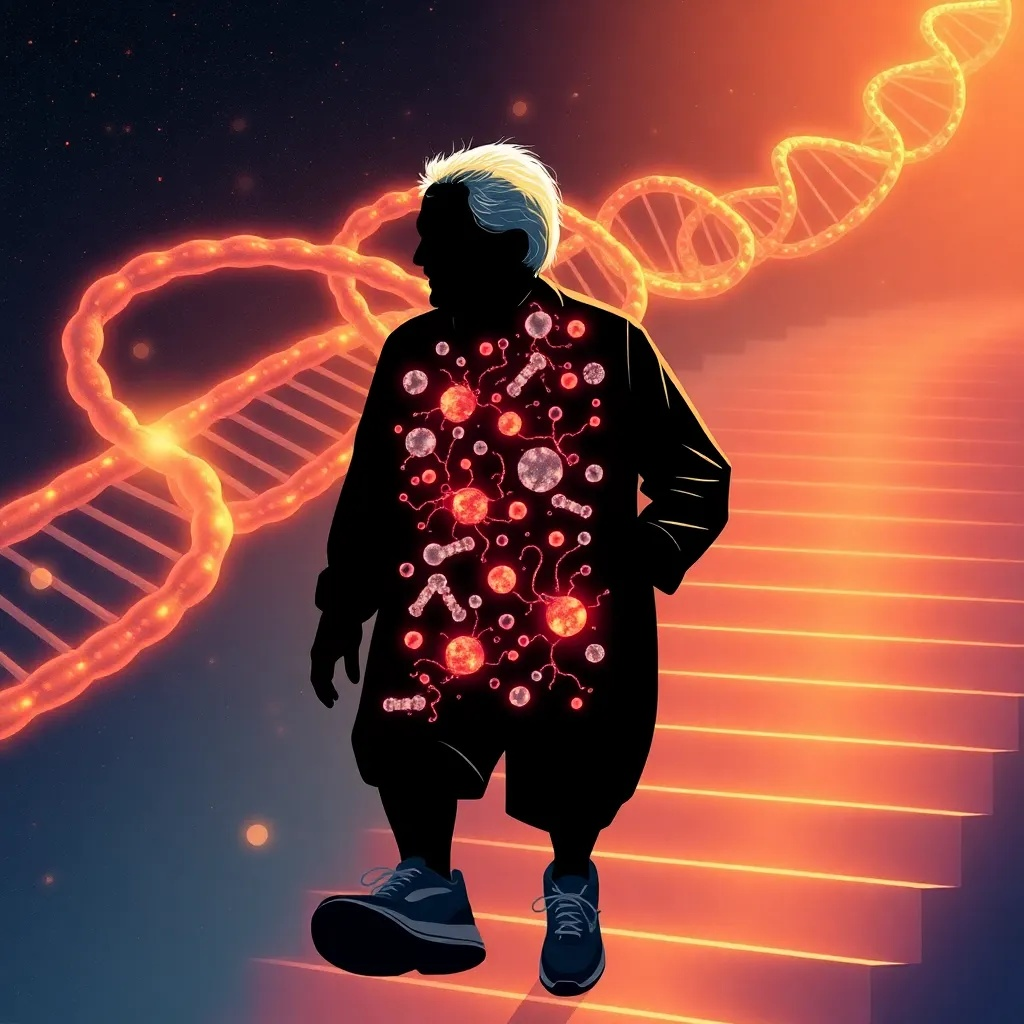
The intersection of exercise and gut health has long fascinated scientists, but a new wave of research is zeroing in on a specific bacterial player: Prevotella copri. A 2025 study published in The Journal of Gerontology found that older adults with higher levels of this microbe exhibited 20% better muscle strength and mobility compared to those with lower levels. The findings add weight to a growing consensus that the gut microbiome is a critical mediator of physical resilience in aging.
The Prevotella-Longevity Link
Dr. Emily Carter, lead author of the study and a gerontologist at Stanford University, explained in a press release: ‘We observed that individuals who engaged in regular moderate exercise—such as brisk walking or swimming—had significantly more P. copri in their gut. This correlated with better performance on standard frailty tests.’ The study followed 1,200 participants aged 65 and older over three years, tracking both exercise habits and stool samples. The results, published in the March 2025 issue, mark one of the strongest direct links between a specific bacterial species and physical function in aging.
But P. copri is just the tip of the iceberg. A 2025 review in The Lancet Healthy Longevity highlighted that microbial diversity typically drops with age, but regular activity can partially reverse this decline. The review, led by Dr. Marcus O’Brien of University College London, states: ‘Exercise induces shifts in the gut ecosystem that favor butyrate-producing bacteria, which in turn reduce inflammation and improve muscle protein synthesis.’
Bidirectional Relationship: Exercise and Microbiome
The relationship is not one-way. While exercise modifies gut bacteria, the microbiome also influences exercise capacity. Animal studies have shown that germ-free mice have reduced muscle mass and endurance, and that transplanting microbiota from active mice into sedentary ones boosts performance. In humans, early clinical trials are testing whether targeted probiotics can enhance the benefits of exercise. For instance, a 2024 trial at the University of Florida enrolled 80 older adults with sarcopenia—age-related muscle loss—and gave them a probiotic cocktail designed to increase butyrate production. After six months, the probiotic group showed a 15% improvement in gait speed compared to placebo.
Dr. Sarah Jenkins, a nutritionist involved in the trial, noted: ‘We are moving toward a future where personalized probiotic supplements could become as routine as vitamin D for seniors. But we need to identify the right bacterial strains and dosages.’
Clinical Trials and Emerging Therapies
Perhaps the most provocative intervention being explored is fecal microbiota transplantation (FMT). In 2024, a pilot study at the Mayo Clinic gave FMT from young, athletic donors to 20 patients aged 70–85 with low muscle mass. Preliminary results, presented at the Gerontological Society of America meeting, showed improved handgrip strength and self-reported energy levels in 70% of recipients. However, the researchers caution that FMT carries risks and is not yet ready for widespread use.
Meanwhile, Bilophila wadsworthia has emerged as a potential biomarker for physical decline. A 2025 study from Harvard Medical School found that elevated levels of this bacterium predicted a 30% higher risk of frailty over two years. ‘Monitoring B. wadsworthia could help identify seniors who need early intervention,’ said Dr. Linda Park, a co-author of the study.
Microbiome Resilience: A New Paradigm
The concept of ‘microbiome resilience’—the ability of the gut ecosystem to recover from disturbances—is gaining traction as a framework for healthy aging. Dr. O’Brien explains: ‘A resilient microbiome can better withstand the stresses of aging, medication, and diet changes. Exercise appears to be a key driver of that resilience.’ A 2024 study from Japan found that older adults who practiced tai chi three times per week had more stable microbiome profiles over a year, with lower fluctuations in potentially harmful bacteria.
But the economic implications are also significant. Sarcopenia affects up to 30% of adults over 80, costing healthcare systems billions annually due to falls and hospitalizations. If microbiome modulation can reduce frailty even modestly, the savings could be enormous. A 2025 analysis by the World Health Organization estimated that investing in microbiome-based interventions could cut sarcopenia-related costs by 12% in high-income countries.
Looking ahead, international guidelines from the International Society of Microbial Ecology recommend physical activity as a key modulator of gut health. The 2025 guidelines, authored by a panel including Dr. Carter, state: ‘Exercise should be prescribed not only for cardiovascular and musculoskeletal benefits but also for its impact on the gut microbiome.’
While the science is still evolving, the message for older adults is clear: regular, moderate activity can help cultivate a gut environment that supports strength and vitality. And in the future, personalized probiotic cocktails may offer a complementary strategy for those unable to exercise.
Analytical Background: The Long Road from Gut to Muscle
The interest in microbiome-aging connections is not new. In the early 2000s, pioneering studies by Dr. Jeffrey Gordon at Washington University linked gut microbiota to obesity and metabolism. But only in the last decade have researchers systematically explored the gut-muscle axis. A groundbreaking 2018 paper in Cell showed that antibiotic-treated mice lost muscle mass, suggesting that microbes produce metabolites that influence muscle homeostasis. Subsequent studies pinpointed short-chain fatty acids (SCFAs) like butyrate as key mediators, as they reduce inflammation and enhance insulin sensitivity. However, translating these findings into human interventions has been slow. Early probiotic trials often failed due to strain variability and lack of personalized dosing. The 2025 focus on P. copri and butyrate producers reflects a maturation of the field, moving from broad diversity measures to specific functional targets.
Historically, similar trends have oscillated in the wellness industry. In the 2010s, the popularity of Greek yogurt and kombucha heralded a ‘probiotic boom,’ but many products lacked rigorous clinical evidence. Today, the emphasis on strain-specific effects and accompanying lifestyle factors—particularly exercise—represents a more sophisticated approach. The integration of microbiome testing services (e.g., Viome, DayTwo) with fitness tracking apps is already blurring the lines between consumer health and clinical gerontology. As the evidence base grows, the challenge will be to ensure that these tools are accessible to the elderly population that stands to benefit most, without exacerbating health inequities.