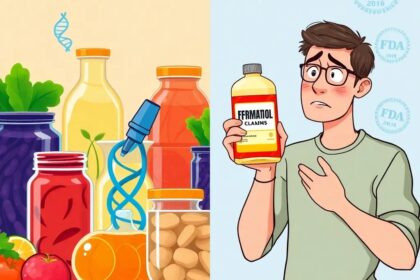
Fermented foods like kimchi and kefir are trending, but not all products deliver proven benefits. This analysis reviews the latest science and regulatory gaps. From TikTok trends to grocery aisles, fe...
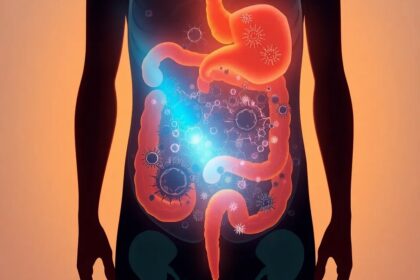
New studies show that aged gut microbes drive systemic aging via extracellular vesicles, while pulsed ultrasound restores microbiome diversity and improves muscle function in mice. Aging gut microbes ...
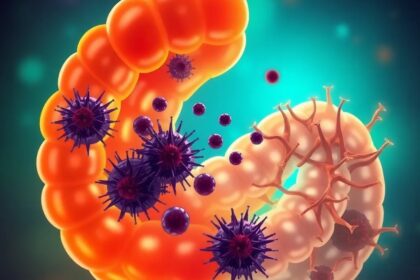
Aged gut microbes release harmful extracellular vesicles that damage tissues, offering new therapeutic targets beyond fecal transplants. A groundbreaking study shows that aged gut bacteria secrete ves...
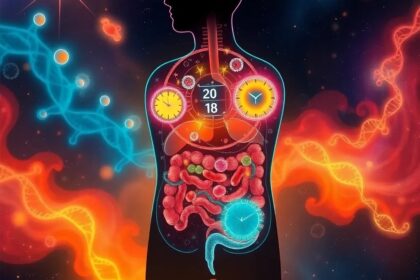
Recent studies show aging clocks integrating clinical and microbiome data can predict biological age, enabling personalized anti-aging interventions through tailored diets and therapies. Advancements ...
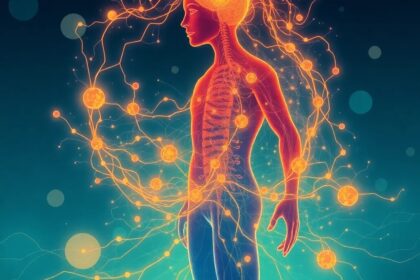
The ARMOR clinical trial investigates FMT from young, active donors to older adults to enhance muscle, cognitive, and metabolic health, addressing gut dysbiosis for aging resilience. A groundbreaking ...

A 2024 study in Nature Aging shows transferring young gut bacteria to aged mice rejuvenates intestinal stem cells via Wnt signaling, suggesting FMT’s potential for age-related disorders. Recent ...
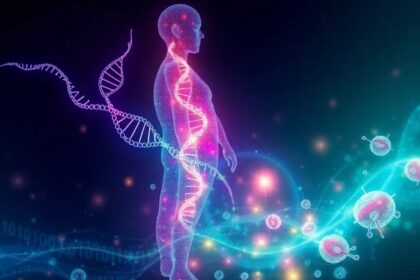
Advances in artificial intelligence and genomic testing are customizing nutrition plans to improve gut health and prevent diseases, based on recent studies and tech collaborations. Recent breakthrough...
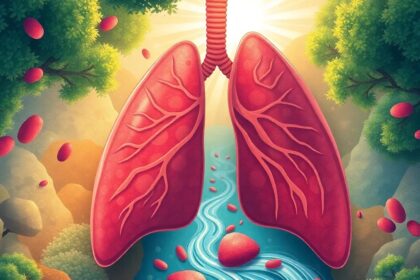
A 2025 preclinical study shows Bifidobacterium adolescentis reduces pulmonary fibrosis in aged mice via the gut-lung axis, highlighting potential probiotic therapies for hard-to-treat conditions like ...

Analytical review of plant-based diets, highlighting health advantages like reduced chronic disease risk and environmental benefits such as lower carbon footprints, backed by recent research and exper...
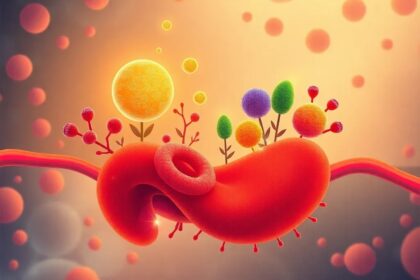
Emerging research identifies butyrate, a gut-derived fatty acid, as a senomorphic agent that reduces inflammaging and enhances T cell function, pointing to dietary fiber for longevity. Recent studies ...