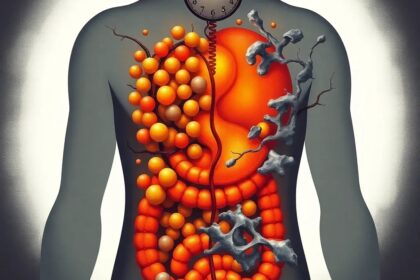
New research reveals how age-related shifts in gut bacteria alter bile acid metabolism, driving inflammation and metabolic decline. Restoring youthful microbial communities may become a key anti-aging...
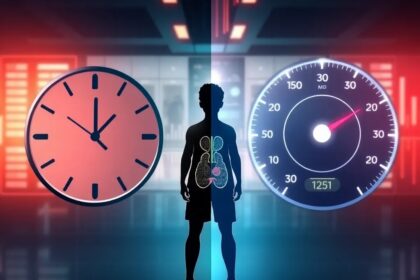
A new biomarker derived from the Framingham Heart Study measures the speed of biological decline, offering a more sensitive endpoint for anti-aging clinical trials. A rate-based biomarker from the Fra...
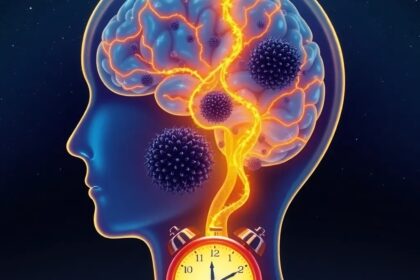
New breakthroughs in understanding the brain’s waste-clearing glymphatic system are opening doors to novel Alzheimer’s and Parkinson’s interventions, from lifestyle tweaks to future ...

A new study shows that restoring calcium balance with the antidepressant mianserin extends lifespan in mice, opening avenues for repurposed drugs in aging. A groundbreaking study reveals that disrupte...

Exploring how mild mitochondrial stress through drugs like terbinafine and miglustat extends lifespan, with socioeconomic implications for longevity treatments. New research shows FDA-approved drugs c...

A new aging clock using proteomics and deep learning predicts mortality and chronic diseases, validated by recent UK Biobank studies, promising transformative preventive healthcare. Innovative SASP sc...
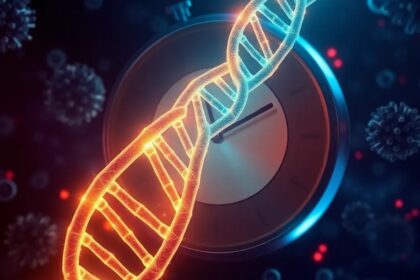
A new study on HMGB1’s Box A domain shows it can create DNA gaps, reversing age-related damage in non-human primates with up to 40% proteomic improvement, highlighting potential gene therapy for...

Recent NHANES analyses show that aligning meals with circadian rhythms, especially eating last meals early, reduces epigenetic age acceleration, with benefits varying by age and sex. New research from...
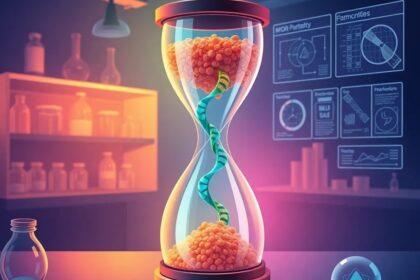
Analyzing recent rapamycin clinical trials for anti-aging, focusing on optimal dosing, safety, and the shift from off-label use to evidence-based protocols in longevity research. New human trials on r...
Exploring the latest breakthroughs in partial reprogramming using OSKM factors for anti-aging, with insights from mouse studies and early clinical trials for eye diseases. Recent studies show partial ...