New research reveals how age-related shifts in gut bacteria alter bile acid metabolism, driving inflammation and metabolic decline. Restoring youthful microbial communities may become a key anti-aging strategy.
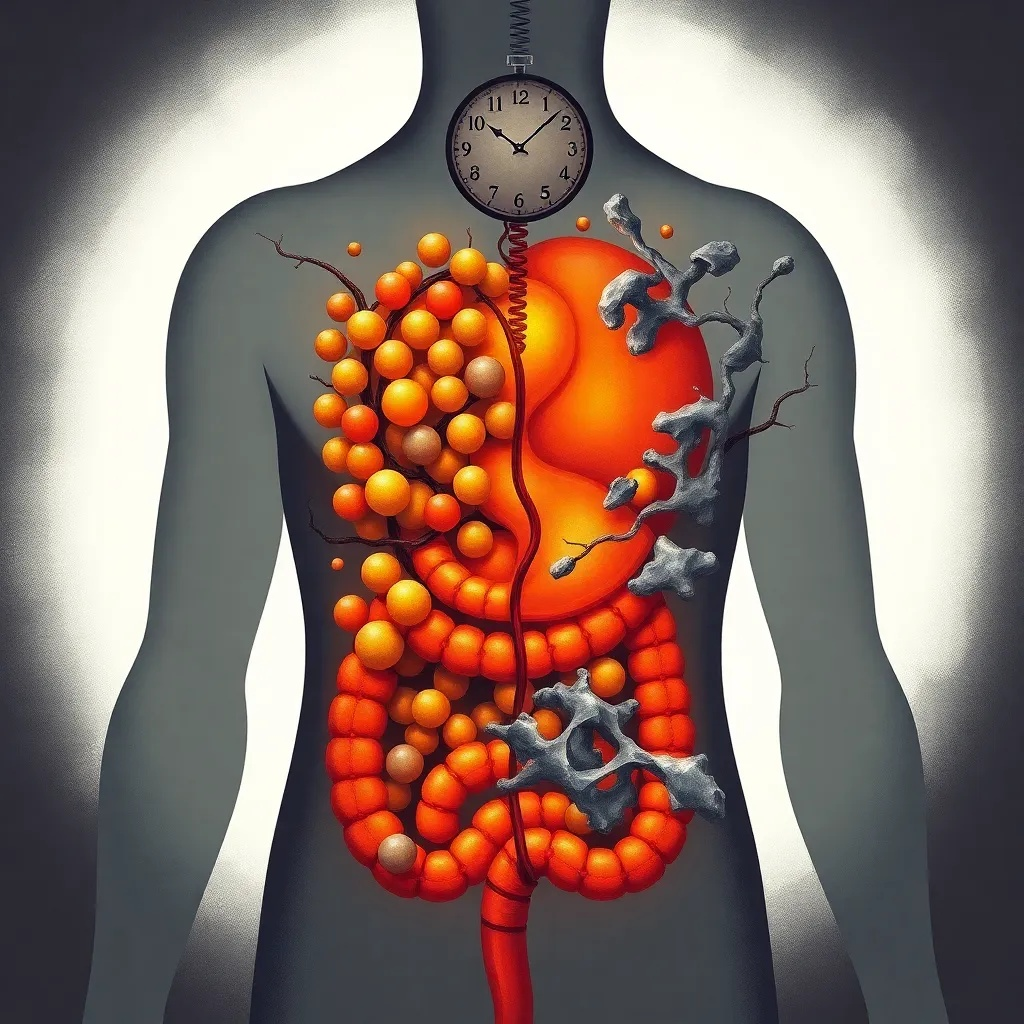
Aging reshapes the gut–bile acid signaling network, turning a once protective system into a driver of systemic inflammation and metabolic dysfunction.
The human body hosts trillions of microorganisms, collectively known as the microbiota, that have co-evolved with us to influence nearly every aspect of physiology. Among their many functions, gut bacteria are increasingly recognized as key regulators of host metabolism through their interaction with bile acids. Bile acids, once considered simple digestive surfactants, are now appreciated as complex signaling molecules that maintain metabolic health and immune homeostasis. As we age, the microbiome undergoes profound changes, and the resulting shift in bile acid composition may be a critical—and modifiable—driver of accelerated aging. In this article, we review the latest scientific insights into the gut–bile acid axis, its role in the aging process, and the therapeutic strategies that aim to restore a youthful equilibrium.
The Bile Acid Signaling System
Bile acids are cholesterol-derived amphipathic molecules synthesized in the liver via the classical and alternative pathways. The primary bile acids in humans are cholic acid and chenodeoxycholic acid, which are conjugated to taurine or glycine to increase solubility and biliary excretion. After secretion, they are stored in the gallbladder and released into the duodenum upon food intake. In the small intestine, they facilitate the digestion and absorption of lipids and lipid-soluble vitamins. Approximately 95% of the bile acid pool is reabsorbed in the ileum and returned to the liver via the portal vein, in a process known as enterohepatic circulation. The remaining 5% escapes into the colon, where the gut microbiome acts upon it.
In the colon, microbial enzymes deconjugate bile acids and remove the 7α-hydroxy group to produce secondary bile acids, primarily deoxycholic acid and lithocholic acid. This transformation is not merely a disposal mechanism; it creates a vast array of chemically distinct molecules that interact differentially with host receptors. The nuclear receptor FXR is the master regulator of bile acid homeostasis. When activated by bile acids, FXR suppresses hepatic bile acid synthesis and promotes hepatic uptake, protecting the liver from toxic buildup. Meanwhile, the membrane-bound receptor TGR5 is expressed in a variety of tissues, including adipose tissue, muscle, and immune cells. TGR5 activation leads to increased energy expenditure, enhanced insulin sensitivity, and modulation of inflammatory cytokine production.
Beyond their local intestinal effects, bile acids are now considered systemic hormones. They have been shown to regulate the secretion of incretins such as GLP-1, which is critical for glucose homeostasis. They also influence the composition of the gut microbiome itself: primary bile acids exert antimicrobial actions and select for certain taxa, while secondary bile acids may support the growth of beneficial commensals. This bidirectional relationship creates a regulatory loop that is particularly sensitive to age-related disruption.
Age-Related Microbiome Shifts and Inflammation
The gut microbiome changes dramatically over a human lifespan. In infancy, the microbiome is highly dynamic and shaped by birth mode and feeding. In adulthood, it reaches a relatively stable climax community. In later life, however, diversity tends to decline, with a loss of health-associated taxa and an increase in pathobionts and opportunistic species. Sequencing studies of elderly individuals have consistently shown reduced abundance of bacteria belonging to the phylum Firmicutes, particularly Clostridium cluster IV and XIVa, which are known to harbor bile acid transforming enzymes. Concurrently, there is often an expansion of Proteobacteria and Enterobacteriaceae, which are associated with chronic inflammation.
A key functional consequence of this microbial shift is a reduced capacity to generate secondary bile acids. A 2021 longitudinal study following a cohort of aging individuals found that the proportion of secondary bile acids in stool and plasma declined with age, and this decline was inversely correlated with the abundance of bacteria carrying the bile acid inducible (bai) operon. The study noted that this reduction was not simply a byproduct of aging but predicted increases in inflammatory markers such as C-reactive protein and IL-6 over a five-year follow-up.
The loss of secondary bile acids has direct consequences at the intestinal barrier. Secondary bile acids, especially lithocholic acid and deoxycholic acid at physiological concentrations, activate TGR5 on intestinal epithelial cells and on regulatory T cells, promoting the production of anti-inflammatory cytokines like IL-10. They also enhance the expression of tight junction proteins, reducing paracellular permeability. In aged mice, ablation of the bacterial bile acid pathway leads to a “leaky gut” phenotype, characterized by increased passage of lipopolysaccharides (LPS) into the portal circulation. This triggers Toll-like receptor 4 (TLR4) activation on hepatic macrophages, leading to the secretion of pro-inflammatory mediators and the recruitment of immune cells to the liver and systemically.
The TGR5 receptor is highly expressed on macrophages and dendritic cells. Activation of TGR5 by secondary bile acids suppresses the production of pro-inflammatory cytokines such as TNF-α and IL-1β while increasing anti-inflammatory IL-10. In aged animals, administration of a synthetic TGR5 agonist reduced microglial inflammation and improved memory, suggesting a direct link between the bile acid pool and neuroimmune crosstalk.
The concept of “inflammaging” describes the chronic, low-grade inflammatory state that accompanies aging. It is now well established that the gut–bile acid axis may be a central contributor. In a proof-of-concept experiment, researchers transplanted the gut microbiota of young mice into aged mice and found that the recipients exhibited restored bile acid metabolism, reduced intestinal permeability, and lower plasma levels of inflammatory cytokines. Conversely, when the microbiome of aged mice was transplanted into young mice, the young mice developed bile acid alterations and increased inflammation. These experiments highlight the causal role of the microbiome in age-related bile acid dysregulation.
The impact of bile acids on aging extends to the central nervous system. Bile acids can cross the blood-brain barrier, and their receptors are expressed in neurons and microglia. Experimental studies have shown that altered bile acid profiles in aged animals correlate with increased microglial activation and neuroinflammation, which are features of various neurodegenerative disorders. Moreover, epidemiological studies have found that patients with Alzheimer’s disease have significantly lower serum levels of certain secondary bile acids, raising the possibility that gut-derived bile acids could serve as early biomarkers and potentially even therapeutic targets for cognitive decline.
Individual variability is substantial. Long-lived individuals, including centenarians, often retain a microbiome composition that resembles a younger adult, with high abundance of bile acid transforming bacteria. A study of centenarian gut microbiomes found not only preservation of secondary bile acid production but also the presence of unique bile acid metabolites that are rarely detected in younger populations. This suggests that a healthy bile acid profile may be one of the molecular signatures of exceptional longevity.
Therapeutic Strategies and Future Directions
The recognition that the gut–bile acid axis is modifiable opens several interventional avenues. The most straightforward approach is to target the microbiome directly. Fecal microbiota transplantation (FMT) from young donors to aged recipients has produced striking results in animal models. For instance, a study published in Nature Medicine in 2022 demonstrated that FMT from young mice into aged mice not only restored the composition of secondary bile acids but also improved muscle strength, cognitive function, and lifespan compared to untreated aged controls. Similar trials are now under way in humans, though with considerable methodological challenges. FMT is a relatively crude intervention, carrying the risk of transferring pathogens or antibiotic resistance genes. Standardization of donor selection, preparation, and delivery remain unresolved.
A more targeted approach is the use of next-generation probiotics engineered to possess bile acid transforming capabilities. Bacterial strains such as Clostridium scindens have been identified as efficient producers of secondary bile acids and are being developed as live biotherapeutics. Preclinical studies have shown that oral administration of C. scindens can restore bile acid diversity in mice following antibiotic treatment, reducing inflammation and improving insulin sensitivity. However, the growth and persistence of such strains in the human gut is uncertain, and long-term safety data are lacking.
Another major avenue is directly targeting the bile acid receptors. Several potent synthetic FXR agonists have been developed, including obeticholic acid, which is already approved for the treatment of primary biliary cholangitis and is in phase 3 trials for NASH. In a study involving elderly patients with NASH, obeticholic acid improved liver histology but was associated with dose-dependent pruritus and increased LDL cholesterol. TGR5 agonists are also in development for metabolic diseases, with the aim of activating brown adipose tissue and increasing energy expenditure. However, systemic TGR5 activation can cause gallbladder distension, which limits the therapeutic window. Selective approaches that target TGR5 in the intestine are being explored to minimize side effects.
Dietary interventions offer a non-invasive method to modulate the bile acid pool. A diet rich in plant-based fibers and polyphenols increases the production of short-chain fatty acids, which are known to support the growth of bile acid metabolizing bacteria. Resistant starch, for example, has been shown to increase the abundance of Ruminococcus bromii, a bacterium that promotes the formation of secondary bile acids. Several ongoing trials are testing whether a “bile acid-friendly” diet can improve metabolic outcomes in older adults. In addition, the use of prebiotics such as inulin and oligofructose may specifically boost populations of health-associated Clostridia.
Sarcopenia, the age-related decline in muscle mass and function, is one of the targets for bile acid therapies. In animal models, FXR agonist treatment has been shown to attenuate muscle atrophy by reducing protein degradation and enhancing mitochondrial biogenesis. A 2023 clinical trial in older adults with sarcopenia and NASH reported that obeticholic acid increased handgrip strength and gait speed compared to placebo, though the effect size was modest. Larger trials are needed, but this illustrates how a drug approved for liver disease could be repurposed for an aging-related condition.
The emerging field of precision gerontology aims to integrate bile acid profiling, microbiome sequencing, and clinical biomarkers to predict an individual’s aging trajectory. Machine learning models have been developed that estimate “biological age” based on circulating bile acid levels. These models outperform traditional markers like telomere length in predicting mortality. One such model, developed from a cohort of over 5,000 participants, identified a panel of 15 bile acid metabolites that could distinguish between healthy agers and those with accelerated physiological decline. As these algorithms are refined, they could enable clinicians to recommend targeted interventions—be it a specific probiotic strain, an FXR agonist, or a dietary change—based on an individual’s unique gut–bile acid signature.
Challenges and ethical considerations. While the therapeutic potential is exciting, there is a long road from bench to bedside. The complexity and inter-individual variability of the gut microbiome make it difficult to predict responses. There is also a risk of inadvertently affecting non-target organs, given the widespread expression of bile acid receptors. Moreover, the commercialization of microbiome-based longevity products has outpaced the science, leading to a proliferation of unproven supplements. Consumers are often misled by “microbiome tests” that claim to measure biological age, and the regulatory framework for such products is still in its infancy. Doctors and scientists emphasize the need for randomized, placebo-controlled trials and independent validation before any such product can be endorsed.
The historical trajectory of microbiome-related science offers context for today’s interest in bile acids. The notion that the intestinal flora influences health was articulated by Metchnikoff at the beginning of the 20th century, but it was not until the Human Microbiome Project of the 2000s that the breadth of microbial diversity came into focus. Early high-profile studies linked gut microbial imbalance to obesity and metabolic syndrome, sparking a wave of consumer interest in probiotics. Yet, just as the popularity of biotin supplements for strengthening hair and nails surged before rigorous evidence was available, and just as the hyaluronic acid skincare trend peaked while the science of its transdermal delivery was still under debate, the microbiome wellness market has experienced a similar pattern of hype preceding data. This repeated cycle is an important lesson: the current enthusiasm for bile acid-based anti-aging products must be tempered by cautious scientific validation.
In the specific field of bile acid therapeutics, research extends back to the mid-20th century, when bile acid sequestrants were introduced as cholesterol-lowering agents. The discovery of FXR in 1995 and TGR5 in 2001 transformed our understanding of bile acids as hormones. By 2010, the first FXR agonist was in clinical trials for cholestatic liver diseases, paving the way for their evaluation in age-related conditions. The concept of targeting bile acid metabolism to combat neurodegeneration or sarcopenia is innovative, but it builds on a foundation of decades of basic science. As analysts forecast a market of over $500 million for microbiome-based longevity products by 2026, it is crucial to remember that scientific progress is measured not by commercial milestones but by reproducible, causally sound evidence. The gut–bile acid axis is arguably one of the most promising frontiers in geroscience, but translating this promise into clinical reality will require the same disciplined patience that accompanied the development of statins or GLP-1 agonists—not the quick fortunes sought in dietary supplement fads.