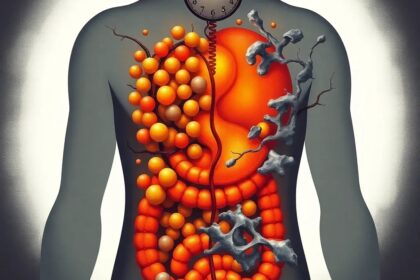
New research reveals how age-related shifts in gut bacteria alter bile acid metabolism, driving inflammation and metabolic decline. Restoring youthful microbial communities may become a key anti-aging...

Recent research quantifies how systemic inflammation, measured by CRP and immune cells, contributes to mortality risk in older adults, with strong implications for diabetes care. A new large-scale stu...

A new framework, inflammatory fidelity, shifts the focus from blanket anti-inflammatory measures to the precision of immune responses, offering a deeper path to healthy aging and individualized longev...

Plasma p-tau217 can predict Alzheimer’s decades early, but lack of protocols raises ethical concerns. Lifestyle interventions may bridge the gap. A blood test can now forecast Alzheimer’s ...
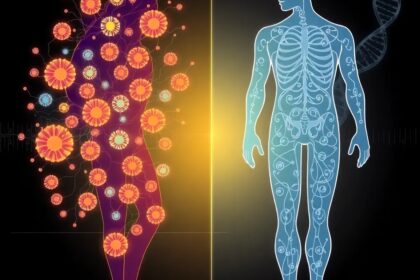
New research reveals how sex chromosomes and hormones dictate immune aging, explaining women’s higher disease burden despite longer life. Implications for personalized anti-aging strategies. Bio...

The 2026 Alzheimer’s clinical trials pipeline shows a strategic shift from amyloid to inflammation and tau targets, with combination therapies and repurposed drugs leading the way. In 2026, the Alzh...

New actigraphy data shows naps over 1 hour are associated with 33% higher mortality and increased Alzheimer’s pathology, but causation remains unclear. Excessive daytime napping may signal under...

A 2024 JAMA Network Open study finds that napping over 30 minutes daily may raise mortality risk in older adults, but experts urge caution in interpreting the findings. A new study links excessive nap...
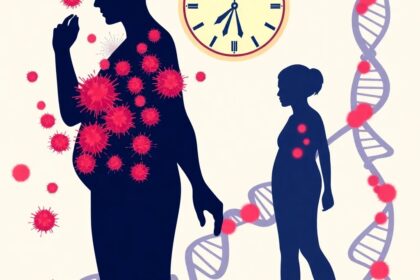
A January 2025 Cell Metabolism study reveals obesity induces lasting epigenetic changes in T cells, causing persistent inflammation even after weight loss, challenging current recovery assumptions. Ne...
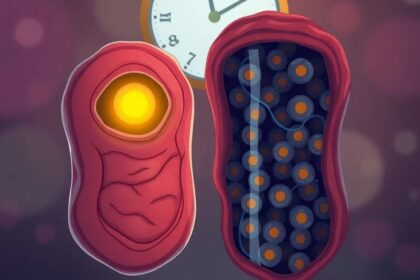
Recent studies show senescent cells can both help and hinder wound repair. Understanding this balance offers new therapeutic strategies for chronic wounds and aging. Senescent cells are not just ̵...