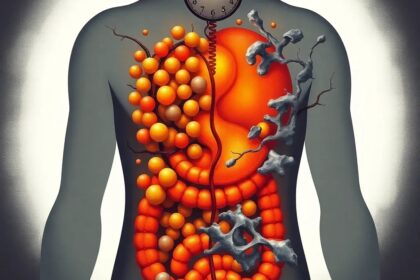
New research reveals how age-related shifts in gut bacteria alter bile acid metabolism, driving inflammation and metabolic decline. Restoring youthful microbial communities may become a key anti-aging...
A Nature Aging study found that centenarians harbor Clostridium scindens, which produces indole-3-acetic acid, restoring gut barrier integrity in aged mice and offering new targets for healthy aging t...
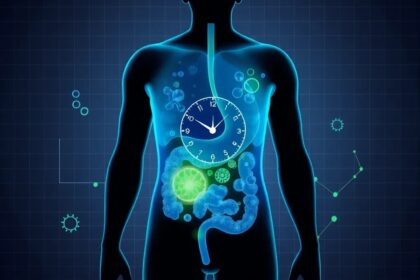
Machine-learning models analyze gut bacteria to predict biological aging pace; Bifidobacterium linked to slower aging, Succinivibrio to acceleration. A 2024 study unveils EpiBiome models that predict ...
Recent research links specific gut microbes to epigenetic aging clocks, suggesting targeted probiotics could slow biological aging. Scientists have identified microbial species that either accelerate ...
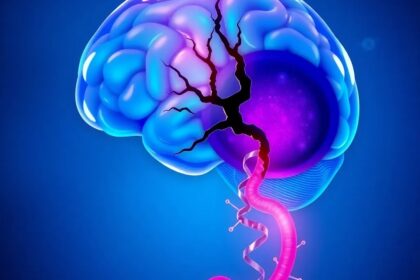
A study in Nature Communications (2025) shows gut-derived imidazole propionate breaks the blood-brain barrier and promotes tau phosphorylation, linking microbiome to Alzheimer’s. A newly discove...
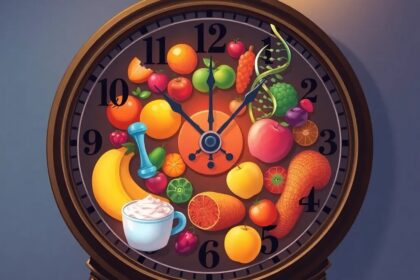
A 12-week multimodal lifestyle intervention including exercise, diet, and probiotic yogurt decelerated the DunedinPACE epigenetic clock by 2.2%, suggesting short-term changes can impact biological agi...

Recent research uncovers strong correlations between gut bacteria composition and physical function in seniors, suggesting microbiome-targeted interventions could combat frailty. Can the bacteria in y...
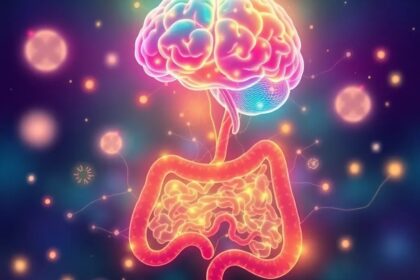
Recent research shows probiotics and fecal microbiota transplantation reduce neuroinflammation via the gut-brain axis, offering promising therapies for neurodegenerative diseases with clinical trials ...

Recent studies reveal that supplementing Roseburia inulinivorans enhances muscle strength by up to 30% in mice, with human trials showing promise for probiotic therapies against sarcopenia. New resear...
Recent studies show Roseburia inulinivorans boosts muscle strength in aging, with probiotics targeting sarcopenia gaining traction in the wellness market amid regulatory and ethical debates. Breakthro...