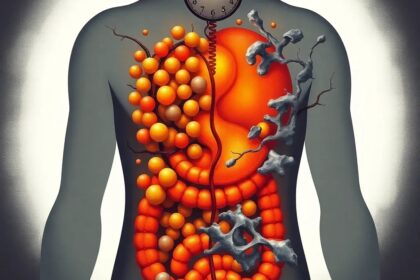
New research reveals how age-related shifts in gut bacteria alter bile acid metabolism, driving inflammation and metabolic decline. Restoring youthful microbial communities may become a key anti-aging...
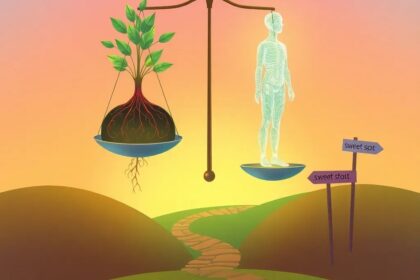
New research shows moderate plant-based protein restriction can lower biological age and improve metabolic health, but optimal intake varies across life stages. A growing body of evidence suggests tha...
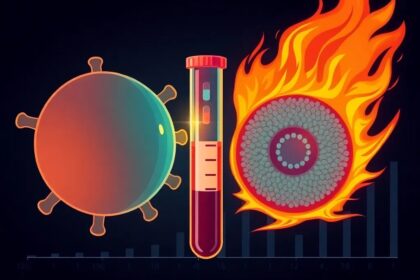
Recent research quantifies how systemic inflammation, measured by CRP and immune cells, contributes to mortality risk in older adults, with strong implications for diabetes care. A new large-scale stu...

A Nature Aging study found that centenarians harbor Clostridium scindens, which produces indole-3-acetic acid, restoring gut barrier integrity in aged mice and offering new targets for healthy aging t...

Researchers combine dichloroacetate and metformin with a 10-fold lower Navitoclax dose, selectively clearing senescent cells while limiting platelet toxicity and advancing clinical senolytic use. A ne...

A new framework, inflammatory fidelity, shifts the focus from blanket anti-inflammatory measures to the precision of immune responses, offering a deeper path to healthy aging and individualized longev...

A new study shows that restoring calcium balance with the antidepressant mianserin extends lifespan in mice, opening avenues for repurposed drugs in aging. A groundbreaking study reveals that disrupte...

Senolytic drugs restore stem cell function in aged mice, raising hopes for treating sarcopenia and frailty in humans. But safety hurdles remain. Cellular senescence is stealing stem cells’ regen...

A 12-week multimodal lifestyle intervention including exercise, diet, and probiotic yogurt decelerated the DunedinPACE epigenetic clock by 2.2%, suggesting short-term changes can impact biological agi...
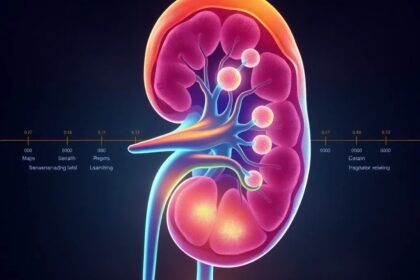
Research in Nature Communications shows omega-3 fatty acids reduce kidney aging and fibrosis by activating FFAR4, opening doors for targeted therapies. New research reveals how omega-3 fatty acids com...