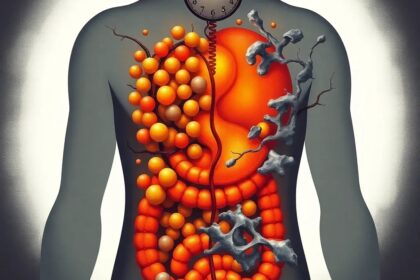
New research reveals how age-related shifts in gut bacteria alter bile acid metabolism, driving inflammation and metabolic decline. Restoring youthful microbial communities may become a key anti-aging...
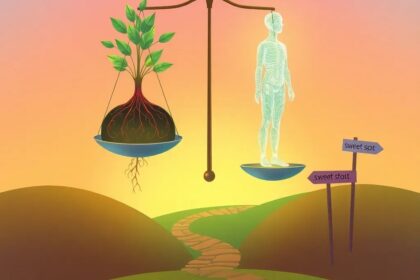
New research shows moderate plant-based protein restriction can lower biological age and improve metabolic health, but optimal intake varies across life stages. A growing body of evidence suggests tha...
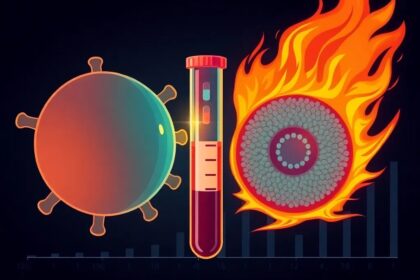
Recent research quantifies how systemic inflammation, measured by CRP and immune cells, contributes to mortality risk in older adults, with strong implications for diabetes care. A new large-scale stu...
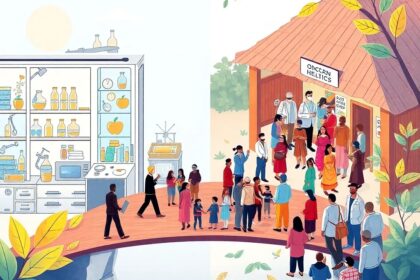
New economic analysis from the WEF and Nature Aging shows that extending healthy lifespan could yield trillions in annual gains, but only if anti-aging therapies are made universally accessible, not j...
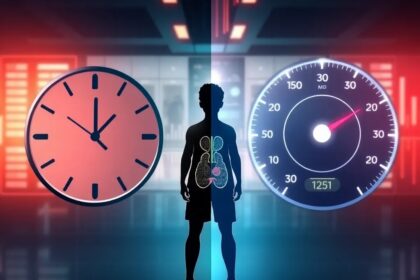
A new biomarker derived from the Framingham Heart Study measures the speed of biological decline, offering a more sensitive endpoint for anti-aging clinical trials. A rate-based biomarker from the Fra...

A new framework, inflammatory fidelity, shifts the focus from blanket anti-inflammatory measures to the precision of immune responses, offering a deeper path to healthy aging and individualized longev...

Peptides surge in popularity for anti-aging, but a dark gray market poses serious risks. Experts call for oversight. GLP-1 agonists like semaglutide spark a peptide revolution, but unapproved compound...
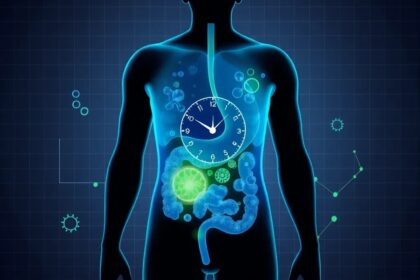
Machine-learning models analyze gut bacteria to predict biological aging pace; Bifidobacterium linked to slower aging, Succinivibrio to acceleration. A 2024 study unveils EpiBiome models that predict ...

A woman’s death after an unapproved NAD+ IV infusion highlights the dangers of unregulated longevity treatments and the gap between hype and evidence. A tragic death linked to unregulated NAD+ i...

A new study shows that restoring calcium balance with the antidepressant mianserin extends lifespan in mice, opening avenues for repurposed drugs in aging. A groundbreaking study reveals that disrupte...