Repair Biotechnologies’ REP-0004 mRNA therapy gains FDA orphan drug designation and demonstrates rapid plaque regression in mouse models, potentially revolutionizing cardiovascular care.
An mRNA therapy designed to reverse atherosclerotic plaque has received FDA orphan drug designation and shown rapid regression in preclinical studies.
Cardiovascular disease remains the leading cause of death globally, with atherosclerosis as its primary pathological driver. Current standard-of-care treatments such as statins and PCSK9 inhibitors effectively lower LDL cholesterol and slow plaque progression, but they do not actively reverse existing plaque buildup. This limitation has spurred research into therapies that can achieve true plaque regression.
A Novel Approach: mRNA-Encoded Cholesterol Elimination
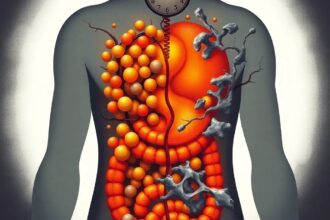
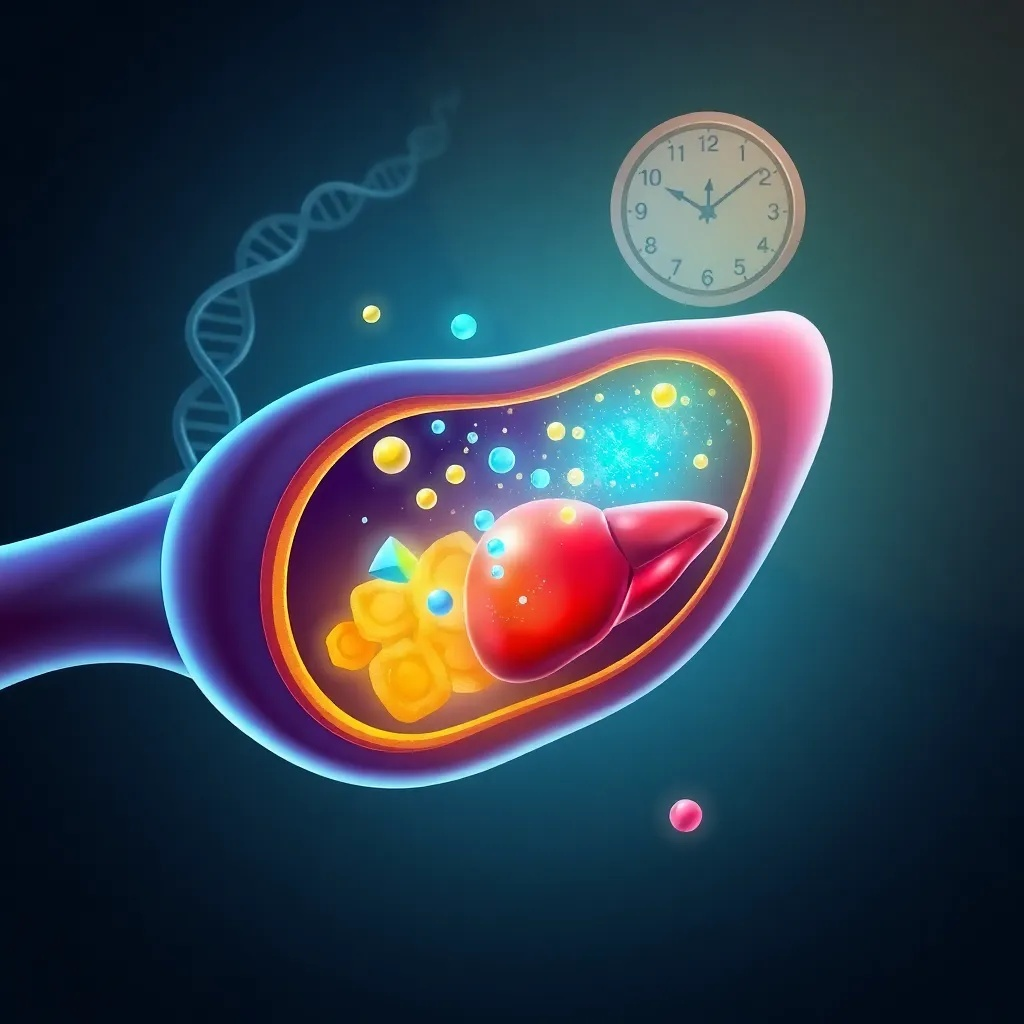
Repair Biotechnologies, a biotechnology company focused on age-related diseases, has developed REP-0004, an mRNA therapy designed to reduce excess free cholesterol in the liver and thereby drive plaque regression. The therapy employs lipid nanoparticle technology, similar to that used in mRNA vaccines, to deliver genetic instructions for a fusion protein that breaks down free cholesterol into bile acids, which are then excreted from the body. This mechanism creates a feedback loop that drains cholesterol from peripheral tissues, including arterial plaques. As reported by Fight Aging!, Repair Biotechnologies’ CEO noted that ‘the speed of plaque regression in our animal models surpassed our expectations.’
Preclinical Evidence of Plaque Regression
In preclinical mouse models, REP-0004 demonstrated up to 50% reduction in plaque volume within weeks, according to data presented by Repair Biotechnologies at scientific conferences. These results represent a significant leap over existing therapies, which at best slow plaque growth by 20-30% over years in human trials. The rapid regression observed in mice suggests that the therapy may have a powerful effect on established atherosclerosis.
FDA Orphan Drug Designation
In 2023, the U.S. Food and Drug Administration (FDA) granted orphan drug designation to REP-0004 for the treatment of homozygous familial hypercholesterolemia (HoFH), a rare and severe genetic condition characterized by extremely high LDL levels and early-onset atherosclerosis. This designation underscores the therapy’s potential for addressing an unmet medical need and provides benefits such as tax credits and market exclusivity upon approval.
Path to Clinical Trials
Repair Biotechnologies is currently conducting investigational new drug (IND) enabling studies and expects to file an IND application with the FDA within the next two years. A Phase 1 clinical trial is anticipated to begin in 2025-2026, pending regulatory clearance. The company has secured funding from longevity-focused venture capital groups, reflecting investor confidence in the therapy’s potential to transform cardiovascular care.
Broader Implications for Longevity
Atherosclerosis is a hallmark of aging, and its reversal could significantly extend healthspan. REP-0004 is part of a growing portfolio of ‘rejuvenation biotechnologies’ aimed at reversing age-related damage at the molecular level. If successful, it could pave the way for similar mRNA-based therapies targeting other aging pathologies, such as fibrosis or neurodegeneration.
Analytical Context: The Evolution of Plaque-Regression Strategies
The concept of actively regressing atherosclerotic plaque has been pursued for decades. Early attempts focused on raising HDL cholesterol levels, as HDL is involved in reverse cholesterol transport. However, large trials of CETP inhibitors (e.g., torcetrapib, dalcetrapib) failed to show clinical benefit and even increased mortality in some cases. Similarly, infusions of HDL-mimetic peptides like ApoA-I Milano showed modest regression in small studies but faced manufacturing and cost hurdles. The mRNA approach by Repair Biotechnologies is distinct because it directly targets the liver’s capacity to eliminate cholesterol, bypassing the complexities of HDL metabolism.
The FDA’s orphan drug designation for REP-0004 is noteworthy in light of these historical failures. It indicates that the agency recognizes the potential for a new class of therapies that could address both HoFH and more common atherosclerotic disease. Moreover, the mRNA platform has matured significantly since the COVID-19 pandemic, with improved lipid nanoparticle formulations and manufacturing scalability. This technological momentum may accelerate the development and commercial deployment of REP-0004.
Challenges and Future Directions
Despite the promise, significant challenges remain. The long-term durability of plaque regression in humans is unknown, as mouse models do not fully recapitulate human atherosclerosis. Off-target effects of the fusion protein, immunogenicity, and the need for repeated dosing are potential safety concerns. Additionally, translating the rapid regression seen in mice to the slower progression in humans will require careful dose optimization and long-term clinical follow-up. The company will need to demonstrate not only a reduction in plaque volume but also a corresponding decrease in cardiovascular events (heart attacks, strokes) to gain regulatory approval for a broad indication.
Nevertheless, REP-0004 represents a paradigm shift from managing cardiovascular disease as a chronic condition to potentially curing it. The longevity field is watching with keen interest, as atherosclerosis is the most consequential aging-related pathology. If REP-0004 proves safe and effective, it could be the first of many mRNA-based interventions that actively reverse the effects of aging on human tissues.