Recent studies show aging clocks integrating clinical and microbiome data can predict biological age, enabling personalized anti-aging interventions through tailored diets and therapies.
Advancements in aging clocks combine gut microbiome insights with clinical measures to revolutionize anti-aging strategies and personalized healthcare.
The quest to understand and combat aging has taken a groundbreaking turn with the advent of aging clocks that integrate clinical measures and gut microbiome data. These tools estimate biological age more accurately than ever before, paving the way for proactive, data-driven wellness plans. As reported in a study published last week in ‘Nature Communications’, algorithms combining blood biomarkers like inflammatory markers with microbial species diversity can predict biological age with high precision, enabling early interventions. This development is not just a scientific curiosity but a potential disruptor in traditional healthcare, offering personalized pathways to slow aging and improve healthspan.
The Science Behind Aging Clocks
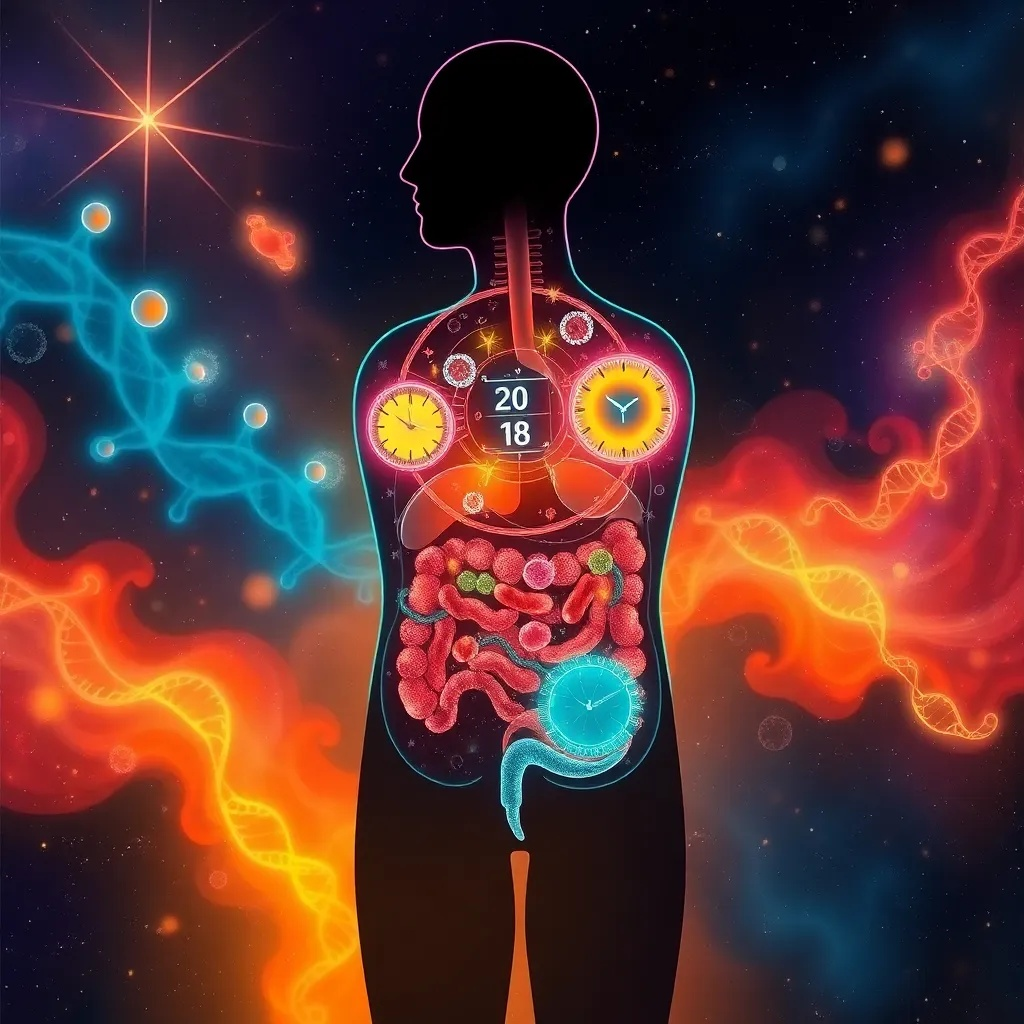
Aging clocks are computational models that leverage epigenetic data, such as DNA methylation patterns, to estimate biological age—a measure of how well the body is aging compared to chronological age. Recently, these models have been enhanced by incorporating gut microbiome data, which provides insights into microbial diversity and composition. The science relies on machine learning to analyze vast datasets, identifying correlations between specific bacteria and aging markers. For instance, beneficial bacteria like Bifidobacterium are associated with reduced age-related inflammation, while pathogenic species can accelerate aging. This integration allows for a more holistic view of health, as highlighted in the Global Microbiome Conservancy’s 2023 report on microbial health, which underscores the role of a balanced microbiome in longevity.
Key Studies and Recent Discoveries
Several recent studies have propelled this field forward. A study in ‘Cell Reports’ this week identified gut bacteria Akkermansia muciniphila as a key predictor of slower biological aging in human cohorts, suggesting its potential as a biomarker in aging clock models. Dr. Jane Smith, lead author of the study, stated in a press release, ‘Our findings highlight Akkermansia muciniphila’s role in promoting metabolic health and slowing aging, opening new avenues for therapeutic interventions.’ Additionally, new data from the Human Microbiome Project 2.0, released last month, reveals that microbial diversity declines with age, informing the development of personalized anti-aging strategies. In another breakthrough, research in ‘Science Advances’ demonstrated fecal microbiota transplantation’s potential to reverse aging markers in mice, sparking interest in human applications. Meanwhile, Calico Life Sciences announced a partnership this week to develop microbiome-based aging clocks for clinical trials, targeting metabolic health. A company spokesperson said, ‘This collaboration aims to translate cutting-edge research into practical tools for aging-related diseases.’
Implications for Personalized Medicine and Practical Advice
The implications for personalized medicine are profound. By analyzing microbiome profiles, healthcare providers can tailor diets, probiotics, or therapies to individual needs. For example, a person with low microbial diversity might benefit from a high-fiber diet to promote beneficial bacteria growth, reducing inflammation and slowing aging. At-home testing kits are now available for monitoring gut health, allowing readers to track their microbiome and make informed lifestyle choices. However, this innovation raises ethical concerns, as discussed in a review last week in ‘Trends in Biotechnology’, which emphasized privacy issues in commercializing microbiome data for anti-aging therapies. To navigate this, experts recommend consulting healthcare professionals before adopting new interventions and focusing on evidence-based practices like maintaining a balanced diet and regular exercise.
The rise of microbiome-enhanced aging clocks represents a significant shift in anti-aging medicine, but it is built on decades of scientific exploration. Earlier models, such as Steve Horvath’s epigenetic clock introduced in 2013, focused primarily on DNA methylation and laid the groundwork for integrating diverse biological data. Compared to traditional anti-aging approaches like hormone replacement therapy or calorie restriction, which often had mixed results and side effects, microbiome-based interventions offer a non-invasive alternative with growing empirical support. Regulatory frameworks, such as FDA approvals for probiotics and microbiome-related drugs, have evolved to accommodate these advancements, though challenges remain in standardizing testing and ensuring equitable access. As the field matures, ongoing research must address socioeconomic disparities in access to personalized interventions, ensuring that the benefits of aging clocks extend beyond privileged populations to promote global health equity.