
A 12-week multimodal lifestyle intervention including exercise, diet, and probiotic yogurt decelerated the DunedinPACE epigenetic clock by 2.2%, suggesting short-term changes can impact biological agi...

Aging Clocks Go Non-Invasive: Retinal Imaging Predicts Osteoporosis While KDM Clock Responds to Diet
New studies show retinal imaging predicts osteoporosis risk with 86% accuracy, while the Klemera-Doubal Method clock responds rapidly to dietary changes, advancing personalized health monitoring. Two ...
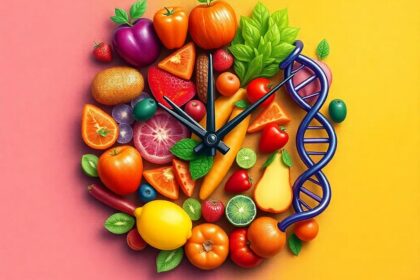
A recent study shows a 4-week dietary intervention can reduce biological age by 2-3 years using the KDM clock. Experts discuss implications for metabolic health and aging. New research suggests that s...
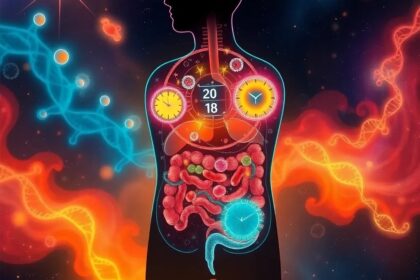
Recent studies show aging clocks integrating clinical and microbiome data can predict biological age, enabling personalized anti-aging interventions through tailored diets and therapies. Advancements ...

Recent studies show exercise lowers biological aging by reducing inflammatory markers like β2-microglobulin, with 37.67% of anti-aging effects mediated through this pathway. New research reveals how ...

Explore how lifestyle choices like diet, exercise, and stress management can influence gene expression through epigenetics, with practical tips for daily implementation. Discover how your daily habits...

Explore how epigenetic clocks measure biological aging through DNA methylation, their accuracy, and their potential to transform personalized medicine and preventive healthcare. Epigenetic clocks are ...

Explore how epigenetics impacts aging, with insights on diet, exercise, and stress management influencing gene expression and biological age, backed by expert opinions and recent studies. Discover how...