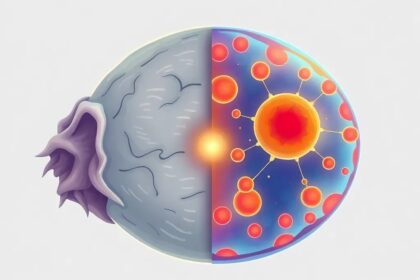
Explore how partial reprogramming using Yamanaka factors reverses epigenetic aging, with recent advances in mice and early clinical trials paving the way for rejuvenation therapies. Partial reprogramm...
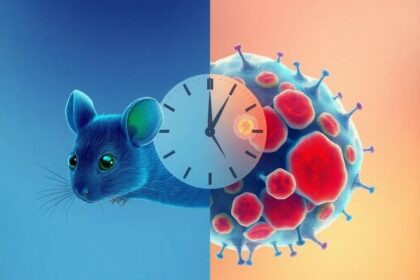
A major study reveals aging is a coordinated epigenetic program, not random damage. Single-cell ATAC-seq of 7 million cells shows stereotyped changes across organs, with therapeutic implications. New ...

Recent NHANES analyses show that aligning meals with circadian rhythms, especially eating last meals early, reduces epigenetic age acceleration, with benefits varying by age and sex. New research from...
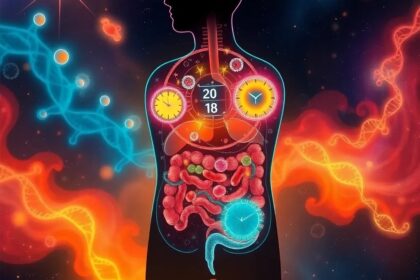
Recent studies show aging clocks integrating clinical and microbiome data can predict biological age, enabling personalized anti-aging interventions through tailored diets and therapies. Advancements ...
Exploring the latest breakthroughs in partial reprogramming using OSKM factors for anti-aging, with insights from mouse studies and early clinical trials for eye diseases. Recent studies show partial ...

Recent studies reveal that mild stressors like hypoxia enhance autophagy and epigenetic changes, delaying aging and informing lifestyle interventions and drug development for preventive health. Emergi...

A groundbreaking study reveals centenarians’ unique chromatin accessibility in immune cells, with ERG reducing cellular senescence and boosting immune resilience, pointing to new epigenetic inte...

Recent studies show targeted epigenetic reprogramming with Yamanaka factors rejuvenates neurons, reversing cognitive decline in aged mice and reducing Alzheimer’s markers, with AI enhancing safe...

Partial OSK reprogramming rejuvenates engram neurons in aged mice, improving memory by over 50%, with recent studies enhancing safety and biotech firms advancing towards human trials. New research sho...
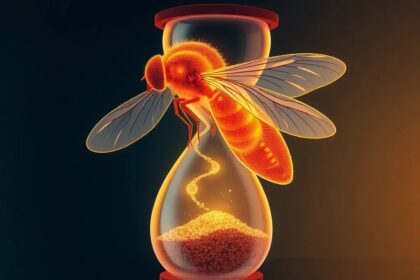
New research on position effect variegation in Drosophila reveals epigenetic aging markers, linking heterochromatin stability to longevity and informing anti-aging therapies. Recent studies show PEV i...