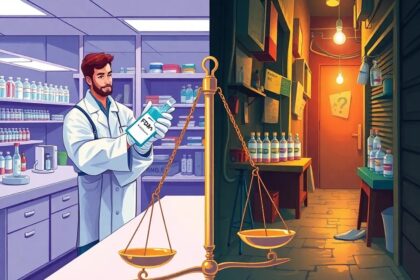
Peptides surge in popularity for anti-aging, but a dark gray market poses serious risks. Experts call for oversight. GLP-1 agonists like semaglutide spark a peptide revolution, but unapproved compound...
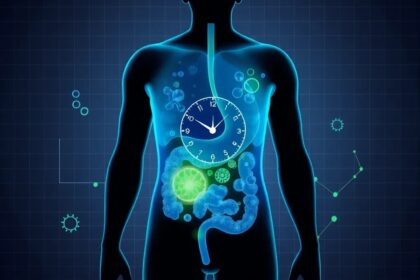
Machine-learning models analyze gut bacteria to predict biological aging pace; Bifidobacterium linked to slower aging, Succinivibrio to acceleration. A 2024 study unveils EpiBiome models that predict ...
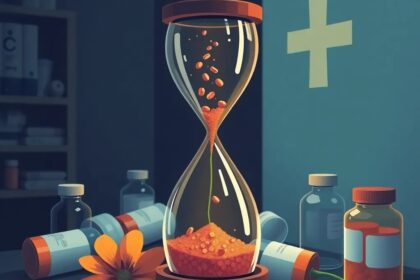
A woman’s death after an unapproved NAD+ IV infusion highlights the dangers of unregulated longevity treatments and the gap between hype and evidence. A tragic death linked to unregulated NAD+ i...
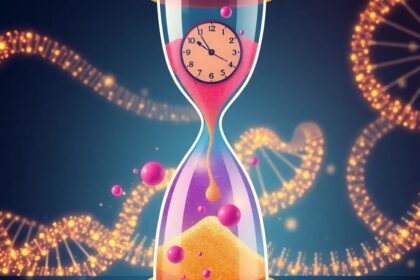
Recent research links specific gut microbes to epigenetic aging clocks, suggesting targeted probiotics could slow biological aging. Scientists have identified microbial species that either accelerate ...
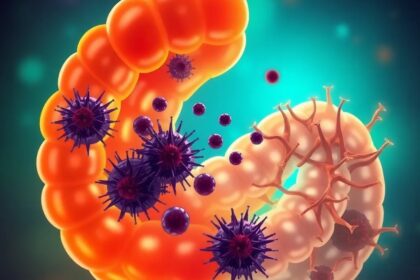
Aged gut microbes release harmful extracellular vesicles that damage tissues, offering new therapeutic targets beyond fecal transplants. A groundbreaking study shows that aged gut bacteria secrete ves...
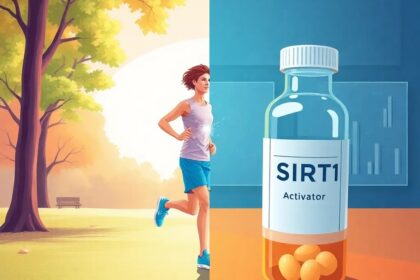
SIRT1 acts as a key exerkine released during exercise, combating aging more effectively than any drug. New research reveals optimal workout types for boosting this anti-aging molecule. Exercise releas...
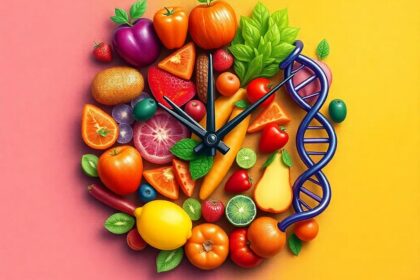
A recent study shows a 4-week dietary intervention can reduce biological age by 2-3 years using the KDM clock. Experts discuss implications for metabolic health and aging. New research suggests that s...
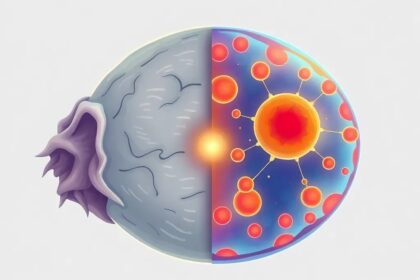
Explore how partial reprogramming using Yamanaka factors reverses epigenetic aging, with recent advances in mice and early clinical trials paving the way for rejuvenation therapies. Partial reprogramm...
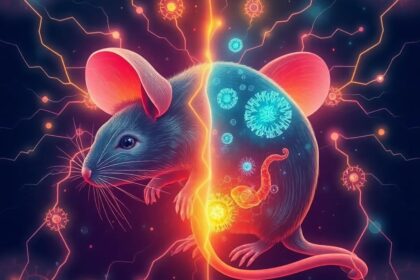
New research reveals that pulsed electromagnetic fields can activate gene therapy in aged mice, improving survival and reducing aging markers, but ethical questions loom. A groundbreaking study demons...
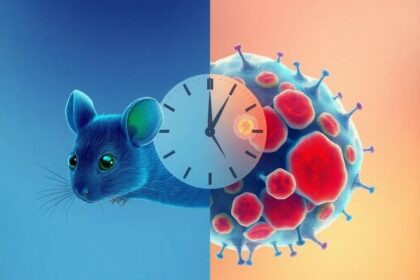
A major study reveals aging is a coordinated epigenetic program, not random damage. Single-cell ATAC-seq of 7 million cells shows stereotyped changes across organs, with therapeutic implications. New ...