
Plasma p-tau217 can predict Alzheimer’s decades early, but lack of protocols raises ethical concerns. Lifestyle interventions may bridge the gap. A blood test can now forecast Alzheimer’s ...

New evidence links impaired glymphatic system to Alzheimer’s; lifestyle and drug therapies show promise in boosting brain waste clearance. Emerging research reveals that the glymphatic system—...
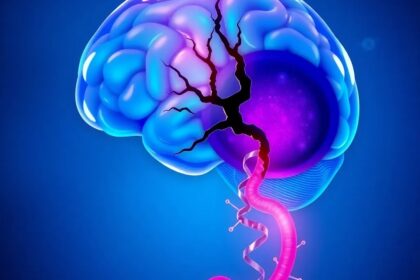
A study in Nature Communications (2025) shows gut-derived imidazole propionate breaks the blood-brain barrier and promotes tau phosphorylation, linking microbiome to Alzheimer’s. A newly discove...
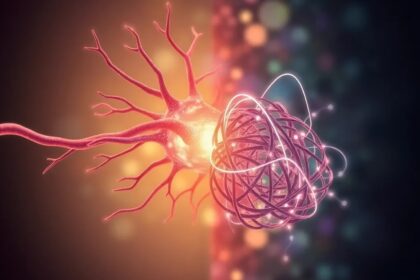
New research reveals tau is crucial for memory encoding, urging a balanced approach in Alzheimer’s therapies to preserve healthy tau. Tau, long vilified in Alzheimer’s, is actually vital f...
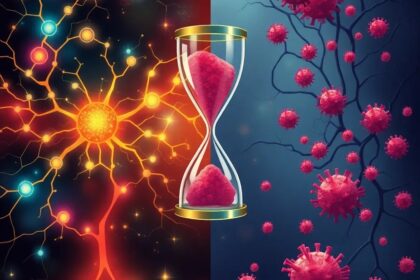
New research links inflammaging and immunosenescence to Alzheimer’s and Parkinson’s, with immune-modulating therapies showing early promise. Aging of the immune system accelerates brain di...
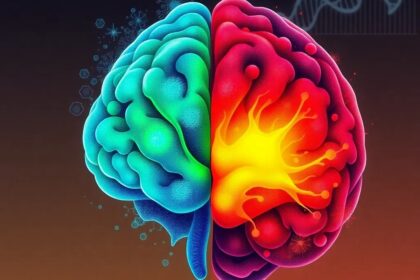
Recent studies reveal that immune aging, or ‘inflammaging,’ is a modifiable risk factor for neurodegenerative diseases, with new biomarkers and senolytic drugs offering hope for early inte...
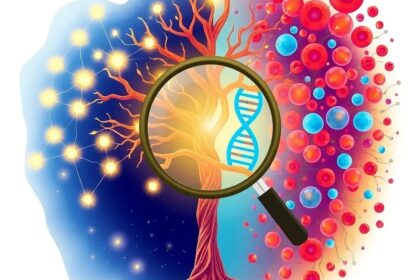
New research reveals an inverse relationship between cancer and neurodegenerative diseases, offering evolutionary insights for dual therapies targeting healthy aging. Could the same biological pathway...
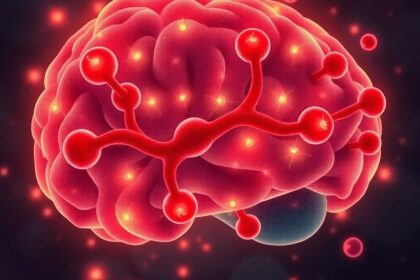
New mitochondrial transplantation via red blood cell encapsulation shows 50% efficiency boost and improved motor function in Parkinson’s models, with FDA fast-tracking clinical trials. Recent st...
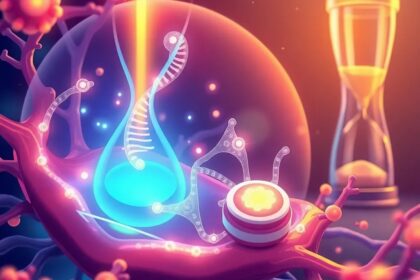
Emerging research shows that enhancing mRNA surveillance mechanisms like nonsense-mediated decay can reduce neurodegeneration, with innovative therapies targeting tau aggregation offering new hope. Re...
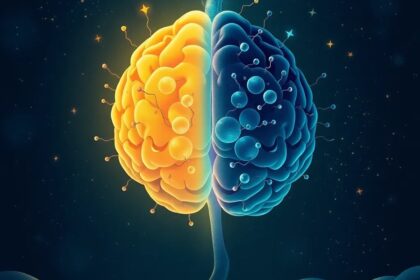
Recent studies reveal aging microglia can promote amyloid-β aggregation, shifting Alzheimer’s pathology understanding and highlighting new therapeutic strategies targeting immune-brain interact...