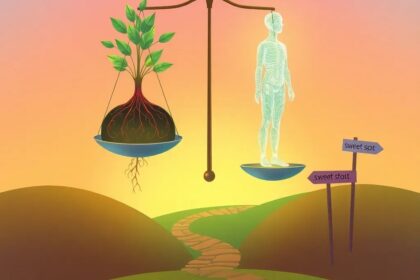
New research shows moderate plant-based protein restriction can lower biological age and improve metabolic health, but optimal intake varies across life stages. A growing body of evidence suggests tha...

China’s landmark competency-based longevity medicine program integrates traditional Chinese medicine with AI, aiming to transform elder care and preventive health. China has initiated a pioneeri...
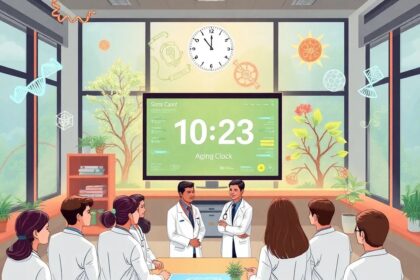
China introduces a pioneering curriculum integrating aging biology, AI, nutrition, and traditional Chinese medicine to shift from reactive treatment to proactive healthspan management. China launches ...

China’s new national program trains doctors in longevity medicine, combining geroscience, AI, and TCM to extend healthspan, setting a global precedent. China’s bold new initiative trains m...

New study shows young donor FMT reduces liver inflammation and tumor incidence in old mice by downregulating MDM2, highlighting gut-liver axis in aging and cancer. New research demonstrates that trans...

A 2023 study in the Journal of Cachexia, Sarcopenia and Muscle finds rapamycin reduces muscle protein synthesis after exercise in older adults, highlighting trade-offs in longevity strategies. Recent ...
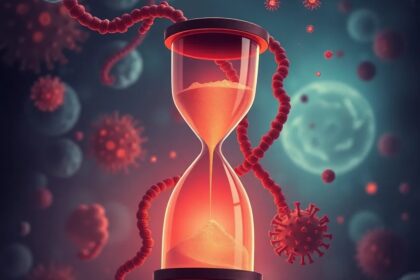
Recent studies show that FDA-approved antiretroviral FTC/TAF may slow aging by reducing retrotransposon activity, highlighting a promising gerotherapeutic approach with broad accessibility. Groundbrea...

Aging research is pivoting from lifespan extension to enhancing healthspan, with innovations like senolytic drugs and digital health tools transforming clinical practices. Recent geroscience advances ...
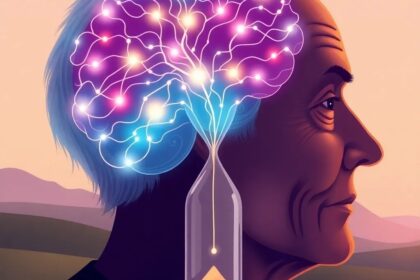
Recent Yale studies show that optimistic age beliefs correlate with a 40% memory boost and 30% faster walking speed in older adults, reshaping geroscience approaches. New research reveals that positiv...
Recent research indicates that nearly half of older adults can defy age-related decline through positive beliefs and structured interventions, enhancing cognitive and physical function. New studies re...