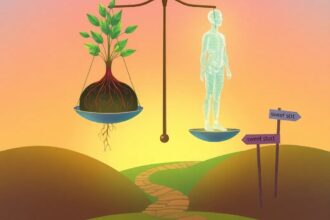
China’s new national program trains doctors in longevity medicine, combining geroscience, AI, and TCM to extend healthspan, setting a global precedent.
China’s bold new initiative trains medical professionals in longevity medicine, integrating AI and ancient practices.
In early 2025, China took a transformative step in healthcare by launching its first national standardized training program in longevity medicine. This initiative, orchestrated by the National Health Commission, marks a paradigm shift from reactive disease management to proactive healthspan extension. By integrating geroscience, artificial intelligence, and traditional Chinese medicine (TCM), the program aims to equip practitioners with the tools to delay aging and reduce the burden of age-related diseases.
The Program Structure
The certification, first issued in February 2025, requires medical professionals to demonstrate proficiency in AI-driven diagnostics, predictive analytics, and TCM principles. The curriculum includes modules on biomarkers of aging, personalized intervention strategies, and ethical considerations. Pilot cohorts in Beijing, Shanghai, and Guangzhou have already shown promising improvements in metabolic health and cognitive function among participants.
Geroscience and AI at the Forefront
Geroscience, the study of biological aging processes, underpins the program’s scientific foundation. Trainees learn to use AI algorithms to analyze genetic, epigenetic, and proteomic data, identifying early signs of decline. A March 2025 study in Nature Aging reported that China’s preventive model reduced elderly hospitalization rates by 18% in three pilot cities, largely due to early detection of cardiovascular and neurodegenerative risks.
The Role of Traditional Chinese Medicine
TCM is woven into the training as a complementary system. Techniques like acupuncture, herbal formulations, and qigong are emphasized for their anti-inflammatory and stress-reducing effects. The integration respects centuries-old wisdom while validating it through modern clinical trials. For instance, the compound Astragalus membranaceus has been shown in preliminary studies to modulate immune senescence.
Alignment with Healthy China 2030
The program is a cornerstone of the Healthy China 2030 strategy, which prioritizes disease prevention and health promotion. By extending healthspan, the state aims to mitigate the economic impact of an aging population. Recent investments include a $2 billion fund for geroscience research, announced in late 2024. The World Health Organization invited Chinese experts to present the program at the 2025 Global Aging Forum, citing it as a potential template for other nations.
Real-World Impact and Partnerships
Alibaba Health has partnered with the program to deploy AI algorithms in rural areas, enabling remote screening for age-related conditions. Early data indicate a 25% increase in early diagnosis of frailty and sarcopenia. The program also emphasizes lifestyle interventions, such as nutrition and exercise, tailored to individual biological ages.
Global Implications
China’s approach challenges Western healthcare models that often focus on treating acute conditions. By prioritizing healthspan over lifespan, the program could reduce healthcare costs and improve quality of life. However, cultural and regulatory barriers may hinder adoption elsewhere. Ethical questions also arise: Who will have access to these interventions? Can longevity medicine exacerbate inequality?
Challenges and Road Ahead
Despite early successes, the program faces hurdles. Standardizing AI algorithms across diverse populations requires vast datasets. Integration with existing healthcare systems demands retraining of thousands of practitioners. Moreover, the long-term efficacy of combined interventions remains under study.
Analytical Context: The Evolution of Longevity Research
The interest in longevity medicine has surged over the past decade, driven by landmark discoveries in cellular reprogramming and senolytics. The first clinical trials targeting aging as a condition—such as the TAME (Targeting Aging with Metformin) trial—paved the way for regulatory frameworks. China’s program builds on this momentum but also reflects a state-led approach, unlike the market-driven longevity clinics in the United States. Comparisons with Japan’s “Society 5.0” initiative reveal similar goals of using technology to support aging populations, though China’s integration of TCM is unique.
Analytical Context: Funding and Policy Trends
Governments worldwide are increasing investment in aging research. The U.S. National Institute on Aging budget has grown to $4 billion, while the EU’s Horizon Europe program allocates €1.5 billion for healthy aging. China’s $2 billion geroscience fund, coupled with the training program, positions it as a leader in applied longevity science. However, critics warn that state-led programs may prioritize productivity over individual well-being. As the field matures, the balance between public health goals and personal autonomy will remain a central debate.