
Emerging studies show that aligning meals with circadian rhythms can reduce aging markers in organs like the heart and liver, offering practical strategies for longevity. Recent findings highlight how...
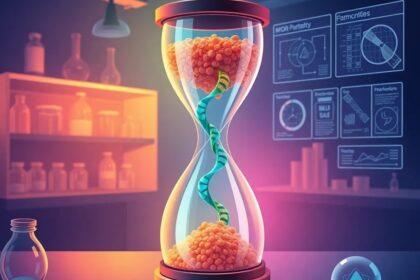
Analyzing recent rapamycin clinical trials for anti-aging, focusing on optimal dosing, safety, and the shift from off-label use to evidence-based protocols in longevity research. New human trials on r...
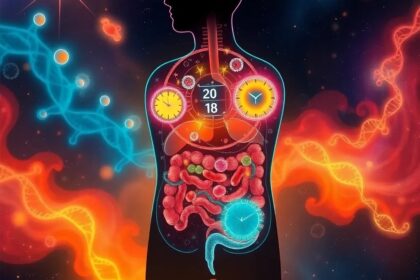
Recent studies show aging clocks integrating clinical and microbiome data can predict biological age, enabling personalized anti-aging interventions through tailored diets and therapies. Advancements ...

Exploring the latest breakthroughs in partial reprogramming using OSKM factors for anti-aging, with insights from mouse studies and early clinical trials for eye diseases. Recent studies show partial ...

Recent studies show α-eleostearic acid and its methyl ester induce ferroptosis in senescent cells, reducing inflammation and improving muscle function in aged mice without toxicity, with clinical tri...

Recent breakthroughs in senolytic and senomorphic therapies, including polyunsaturated lipids inducing ferroptosis, are advancing clinical trials for age-related diseases, with a focus on safety and b...

Zhang et al. (2026) discovered that α-eleostearic acid and its methyl ester act as novel senolytic agents by inducing ferroptosis in senescent cells, achieving over 80% clearance with minimal toxicit...

Exploring recent advances in senolytic and senomorphic therapies, including dasatinib-quercetin and immune-based approaches, to combat age-related diseases like Alzheimer’s and sarcopenia. New t...

Recent studies on hydra’s negligible senescence overturn traditional aging models, suggesting aging is adaptable and offering clues for anti-aging biotech interventions. New research reveals hyd...
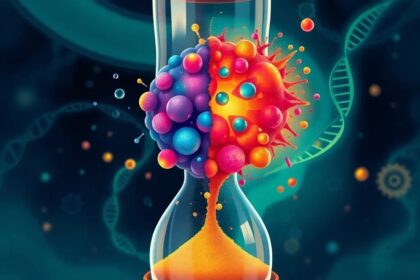
Recent studies highlight autophagy’s conflicting roles in aging: protective early on but sustaining harmful senescent cells under stress, with the threshold model guiding new clinical approaches...