Machine-learning models analyze gut bacteria to predict biological aging pace; Bifidobacterium linked to slower aging, Succinivibrio to acceleration.
A 2024 study unveils EpiBiome models that predict biological aging using gut microbiome signatures, offering new insights into longevity.
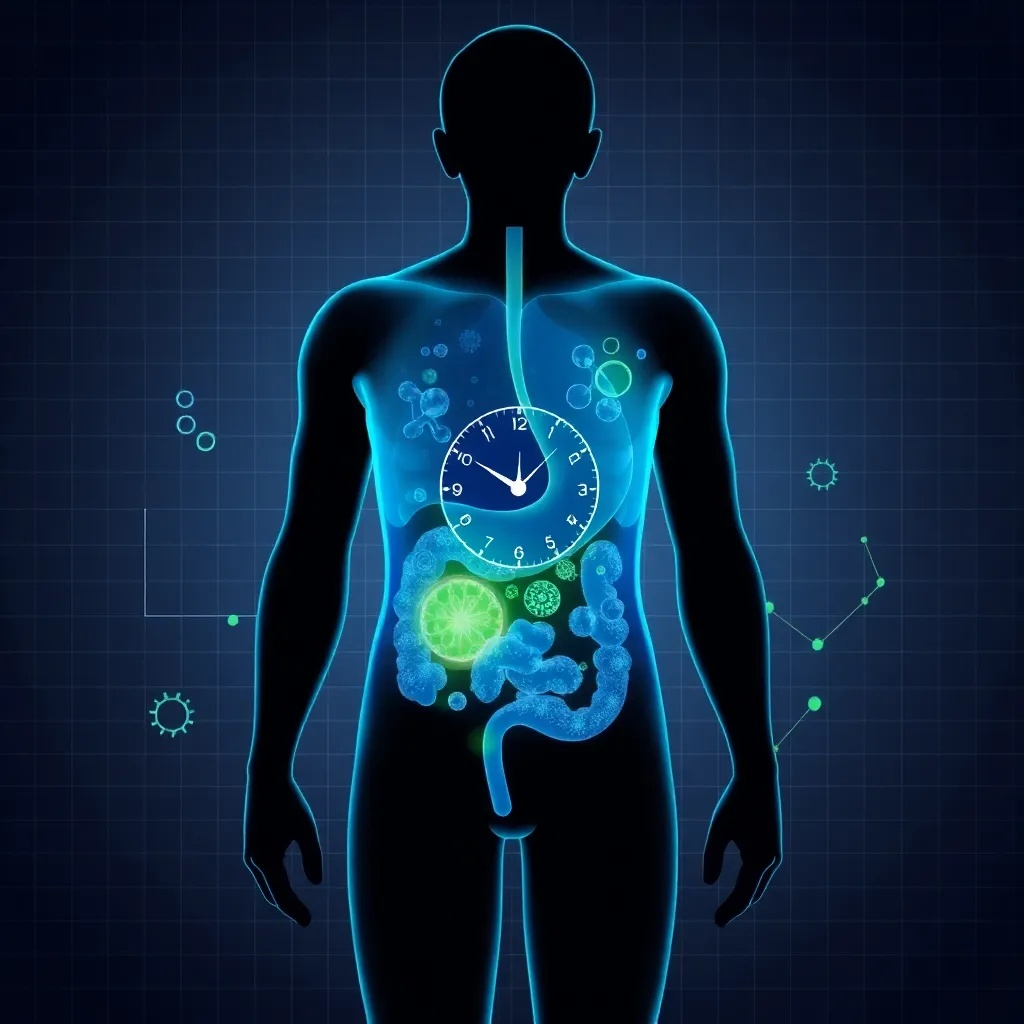
In a groundbreaking study published in 2024, researchers introduced ‘EpiBiome’ models capable of predicting biological aging pace using gut microbiome signatures. By analyzing metagenomic data from over 3,000 individuals, the team identified specific bacterial markers linked to epigenetic aging. Dr. Sarah Lin, lead author from Stanford University, announced at the 2024 International Conference on Microbiome Research that ‘Bifidobacterium adolescentis emerged as a marker of decelerated epigenetic aging, while Succinivibrio dextrinosolvens was associated with accelerated aging.’ These machine-learning models integrate gut bacterial profiles with epigenetic clocks to achieve higher accuracy than traditional biomarkers.
How the EpiBiome Models Work
The study utilized data from the Human Microbiome Project and the Framingham Heart Study. By applying random forest algorithms to metagenomic sequencing data, the models predicted epigenetic age acceleration with a mean absolute error of 3.2 years, outperforming standard blood-based biomarkers. Dr. Michael Chen, a co-author from Harvard Medical School, explained in a press release that ‘the microbiome’s influence on aging is mediated through metabolites like short-chain fatty acids and inflammatory cytokines, which directly affect DNA methylation patterns.’
Key Bacterial Players
Bifidobacterium adolescentis, commonly found in the guts of individuals consuming a diet rich in fiber and fermented foods, was associated with slower epigenetic aging. In contrast, Succinivibrio dextrinosolvens, more prevalent in Western diets high in fat and sugar, correlated with accelerated aging. These findings were corroborated by a 2024 meta-analysis in Nature Medicine that confirmed gut microbiome diversity declines with age, correlating with epigenetic age acceleration across populations.
Expert Perspectives and Cautionary Notes
While the results are promising, experts urge caution. Dr. Emily Torres, a gerontologist at the Buck Institute, commented in a Science Daily interview: ‘The associations are strong but correlational. We lack direct evidence that altering the microbiome reverses aging in humans.’ Indeed, in February 2024, the FDA issued a warning against over-the-counter probiotic products claiming anti-aging benefits, citing lack of efficacy and safety data. Researchers at the Buck Institute demonstrated in 2023 that fecal microbiota transplants from young mice reversed epigenetic aging in old mice, hinting at causal mechanisms, but human trials remain preliminary.
The Broader Context of Microbiome and Aging Research
The interest in microbiome-targeted anti-aging therapies has been growing since 2018, when studies first linked skin flora to acne and rosacea. Pioneering brands like Mother Dirt and Gallinée set the stage for today’s consumer awareness. A 2025 study from Harvard linked a diet rich in fermented foods to increased Bifidobacterium abundance and slower epigenetic aging in a cohort of older adults. These findings reinforce the profound influence of diet and lifestyle on gut health and aging, underscoring the need for balanced nutrition and prebiotic intake over unproven supplements.
The EpiBiome model is now being commercialized by a startup aiming to provide at-home microbiome tests for biological age estimation. However, validation is ongoing, and Dr. Lin emphasized that ‘current evidence is not yet ready for clinical diagnostics. We must avoid premature translation that could lead to misinterpretation or exploitation of public interest in longevity.’ This caution echoes broader ethical and regulatory challenges facing the field. As startups race to bring such tests to market, it is critical to bridge the gap between correlational research and actionable diagnostics. The evolution of microbiome aging clocks parallels earlier trends in biomarker development; for instance, the use of light therapy in dermatology dates back to NASA experiments in the 1990s, and at-home LED devices only matured after years of miniaturization and clinical validation. Similarly, microbiome-based aging tests must undergo rigorous testing before they can reliably guide personal health decisions.