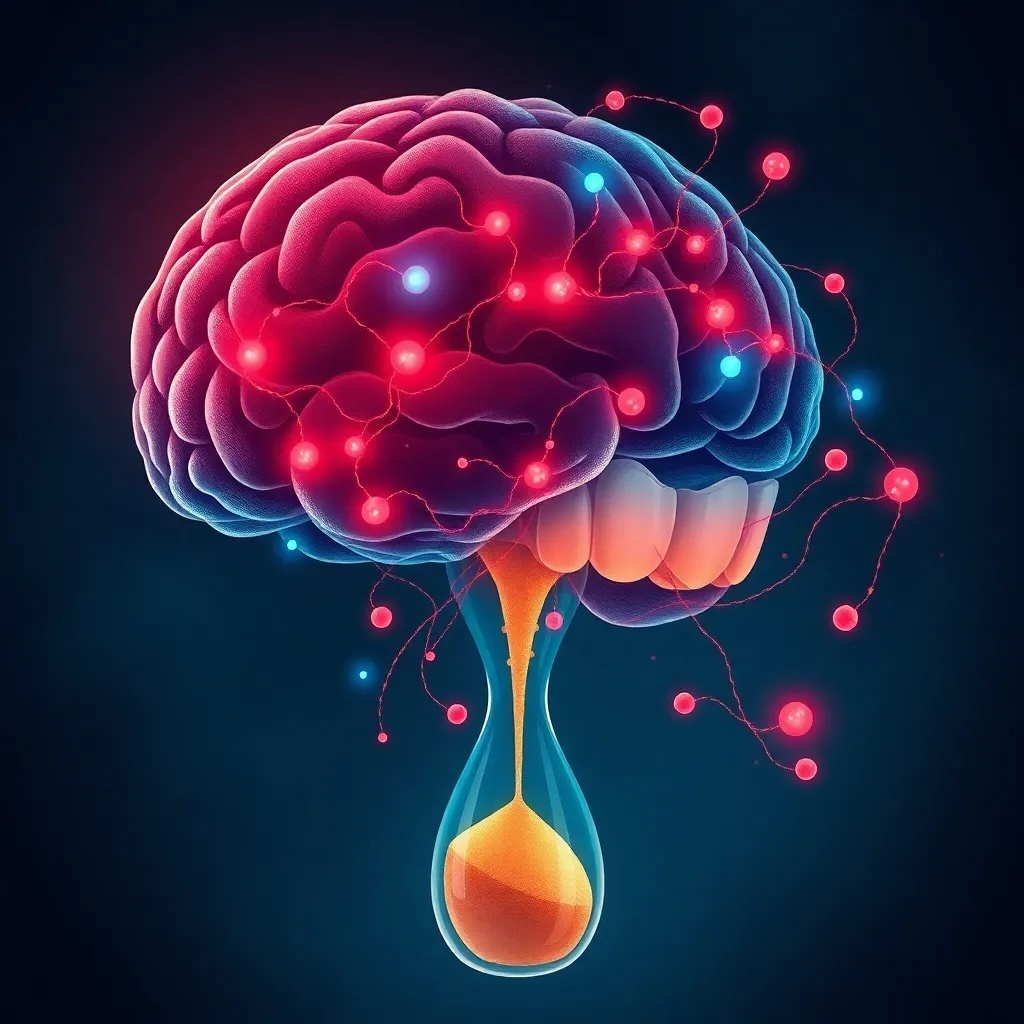
Recent studies show a strong link between periodontal disease and cognitive decline, with severe gum inflammation increasing dementia risk by up to 50%, highlighting preventive oral care.
Groundbreaking research connects poor oral hygiene to higher dementia rates, urging integrative health strategies for aging populations.
In a striking development for health science, recent research has uncovered a profound link between oral health and cognitive decline, reshaping our understanding of aging and preventive care. A study published in the ‘Journal of Alzheimer’s Disease’ in October 2023 found that severe periodontitis increases the risk of dementia by 50%, emphasizing the critical role of the oral-brain axis in neurodegeneration. This connection, driven by microbial-induced inflammation, is gaining urgency as global aging populations rise, prompting experts to call for integrated approaches to health management.
Dr. Maria Rodriguez, a leading researcher at the National Institute on Aging, announced in a press release last week that increased funding has been allocated for oral-brain axis research, with new clinical trials targeting microbiome-based therapies set for 2024. She stated, ‘This funding marks a pivotal shift towards understanding how oral pathogens contribute to chronic diseases, and it opens doors for innovative interventions.’ Such announcements underscore the growing recognition of oral health as a key factor in cognitive longevity.
The Science Behind the Oral-Brain Axis
The oral-brain axis refers to the bidirectional communication between the oral microbiome and the brain, primarily mediated through inflammatory pathways. Pathogens like Porphyromonas gingivalis, a bacterium associated with periodontal disease, can enter the bloodstream and cross the blood-brain barrier, triggering neuroinflammation and accelerating the accumulation of amyloid-beta plaques, a hallmark of Alzheimer’s disease. A meta-analysis in ‘Nature Aging’ last week identified Porphyromonas gingivalis as a key driver of this process, linking it to a significant increase in neurodegeneration risk.
Chronic inflammation from poor oral health releases cytokines and other inflammatory markers that can damage brain cells over time. According to a recent data analysis from the American Heart Association, oral microbiome diversity is correlated with lower levels of systemic inflammation, potentially slowing cognitive decline in older adults. This mechanistic insight builds on decades of research into inflammation’s role in aging, but the oral component adds a new layer of complexity and opportunity for intervention.
Recent Breakthroughs in Research
Key studies have solidified the oral-cognitive link, providing robust evidence for public health initiatives. The October 2023 study in the ‘Journal of Alzheimer’s Disease’ involved a longitudinal analysis of over 10,000 participants, revealing that individuals with severe periodontitis had a 50% higher incidence of dementia compared to those with healthy gums. Researchers emphasized that this risk is modifiable through improved dental hygiene and regular check-ups.
Additionally, Lifespan.io’s latest report highlights emerging biomarkers in saliva that could enable early detection of cognitive risks. Dr. James Lee, a microbiologist cited in the report, explained, ‘Salivary biomarkers for pathogens like Porphyromonas gingivalis offer a non-invasive way to assess dementia risk years before symptoms appear, revolutionizing preventive care.’ This aligns with findings from FightAging.org, which notes advancements in AI-powered dental diagnostics that analyze microbiome shifts to predict individual health outcomes.
Personalized Dentistry and Technological Advances
The integration of technology into oral health care is paving the way for personalized strategies to mitigate cognitive decline. AI-driven microbiome analysis, as suggested in recent research angles, can tailor interventions based on an individual’s microbial profile, identifying high-risk patients for targeted therapies. For example, clinics are beginning to use devices that monitor oral bacteria in real-time, allowing for early intervention with antimicrobial treatments or probiotics.
Practical implications extend beyond clinical settings. Lifestyle choices, such as maintaining a balanced diet rich in anti-inflammatory foods and avoiding smoking, can enhance oral microbiome diversity and reduce inflammation. Public health campaigns are increasingly emphasizing the importance of regular dental visits, not just for oral hygiene but as a component of cognitive health maintenance. As Dr. Sarah Chen, a dentist specializing in geriatric care, noted in a recent interview, ‘We’re moving towards a holistic model where dentists collaborate with neurologists to develop comprehensive aging strategies.’
Looking ahead, the oral-brain axis research is set to expand, with trials exploring microbiome-modulating therapies, such as oral probiotics and vaccines targeting specific pathogens. The societal impact could be profound, reducing healthcare costs by preventing dementia through simple, cost-effective oral care measures. However, challenges remain, including ensuring access to advanced diagnostics in underserved communities and educating the public about this connection.
This trend in linking oral health to cognitive decline mirrors earlier movements in health science, such as the gut-brain axis research that gained prominence in the 2010s. Back then, studies began linking gut microbiota to mental health disorders, leading to a surge in probiotic supplements and dietary interventions. Similarly, the oral-brain axis builds on this foundation, expanding the microbiome’s role in chronic disease. Historical data shows that inflammation has long been implicated in aging, with past research on conditions like rheumatoid arthritis providing early clues, but the oral focus adds a novel, accessible dimension to anti-aging strategies.
The broader context of this trend reveals a recurring pattern in wellness: as science uncovers new connections, industries and public policies adapt. In the beauty and health sectors, past cycles like the hyaluronic acid craze for skin hydration or the biotin boom for hair growth often followed similar trajectories—initial hype, followed by evidence-based refinement. For the oral-brain axis, the current emphasis on evidence from meta-analyses and clinical trials suggests a more rigorous approach, potentially leading to lasting changes in dental and neurological care. As this field evolves, it underscores the importance of interdisciplinary research in tackling complex health issues, offering hope for more effective aging interventions in the future.