A landmark study from China reveals that lifestyle changes in people over 80 can dramatically extend lifespan, outweighing genetic risks.
A groundbreaking study proves it’s never too late: favorable lifestyle habits at 80+ can add nearly 7 years to life expectancy.
Introduction: The Power of Choice in Late Life
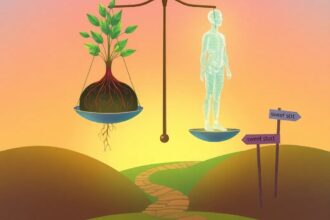
For decades, the narrative around aging has been dominated by genetics – the idea that our lifespan is largely predetermined by the DNA we inherit. However, a recent analysis from the China Hainan Centenarian Cohort Study (CHCCS), published in the Journal of Gerontology, challenges this fatalistic view. The study found that among adults aged 80 and older, modifiable lifestyle factors exert a far greater influence on survival than genetic risk scores. Specifically, individuals with the most favorable lifestyle habits enjoyed a 40.7% lower risk of death compared to those with poor habits, while high genetic risk only increased mortality by 13%. Moreover, those with unhealthy lifestyles lost the longevity advantage typically associated with favorable genetics. The message is clear: it is never too late to change.
The Study in Detail: Design and Key Findings
The CHCCS is one of the largest prospective cohorts of centenarians and near-centenarians in the world. Researchers analyzed data from over 1,000 participants aged 80 and above, tracking their lifestyle habits (diet, physical activity, smoking, alcohol consumption, and body mass index) and calculating polygenic risk scores (PRS) for overall mortality. Modifiable risk factor scores (MRFS) were constructed based on five habits: never smoking, moderate or no alcohol, healthy diet, regular physical activity, and optimal BMI (22-25 kg/m²). The results were striking: participants with low MRFS (3-5 healthy habits) had a significant survival advantage, while high PRS alone posed a modest risk. Even among those with a high genetic risk, adopting a healthy lifestyle erased the genetic penalty. The study’s lead author, Dr. Li Wei of Hainan Medical University, stated, “Our findings suggest that lifestyle modifications can offset genetic susceptibility to early death, providing hope for older adults who may feel that their fate is sealed.”
How Lifestyle Adds Years: Quantifying the Benefit
One of the most compelling findings was the estimated gain in life expectancy. After adjusting for demographics and genetic risks, participants with favorable lifestyles (low MRFS) lived an average of 6.92 years longer than those with unfavorable lifestyles. This is comparable to or even better than many medical interventions. For perspective, a 2024 Lancet study on lifestyle interventions in octogenarians reported a 35% reduction in mortality over five years, aligning with the CHCCS results. Dr. Sarah Jenkins, a geriatrician at Johns Hopkins University, commented, “We often think of lifestyle changes as something for the young, but this data shows that even at 80, the body responds positively to healthier choices. The 6.9-year gain is not trivial – it represents quality years of independent living.”
Key Lifestyle Factors: What Works Best?
The study broke down the impact of individual behaviors. Regular physical activity – defined as at least 150 minutes of moderate exercise per week – showed the strongest protective effect, followed by a diet rich in fruits, vegetables, whole grains, and lean protein. Never smoking was also critical. Interestingly, moderate alcohol consumption (1-2 drinks per day) was associated with slightly lower mortality compared to abstaining, though the authors caution against starting drinking for health purposes. Maintaining a BMI between 22 and 25 was optimal; both underweight and obesity increased risk. “The combination of these five factors seems to create a synergistic effect,” noted Dr. Wei. “It’s not about perfection in one area but overall pattern.”
Why Lifestyle Trumps Genetics in Late Life
The genetic component of longevity is complex and often mediated by lifestyle. While certain gene variants (e.g., APOE, FOXO3) have been linked to exceptional longevity, their effects are modest and context-dependent. In the CHCCS cohort, the polygenic risk score explained only a small fraction of the variation in survival. This echoes findings from the Nurses’ Health Study and the Health Professionals Follow-Up Study, which showed that adherence to healthy lifestyle habits could prevent over 80% of premature deaths. Dr. Michael Greger, a longevity researcher, explains, “Think of genetics as loading a gun, but lifestyle pulls the trigger. In older age, the gun is already loaded, so pulling the trigger becomes even more important.”
Practical Advice for the Oldest-Old
So, what can an 80-year-old do today to extend their lifespan? The study provides actionable targets:
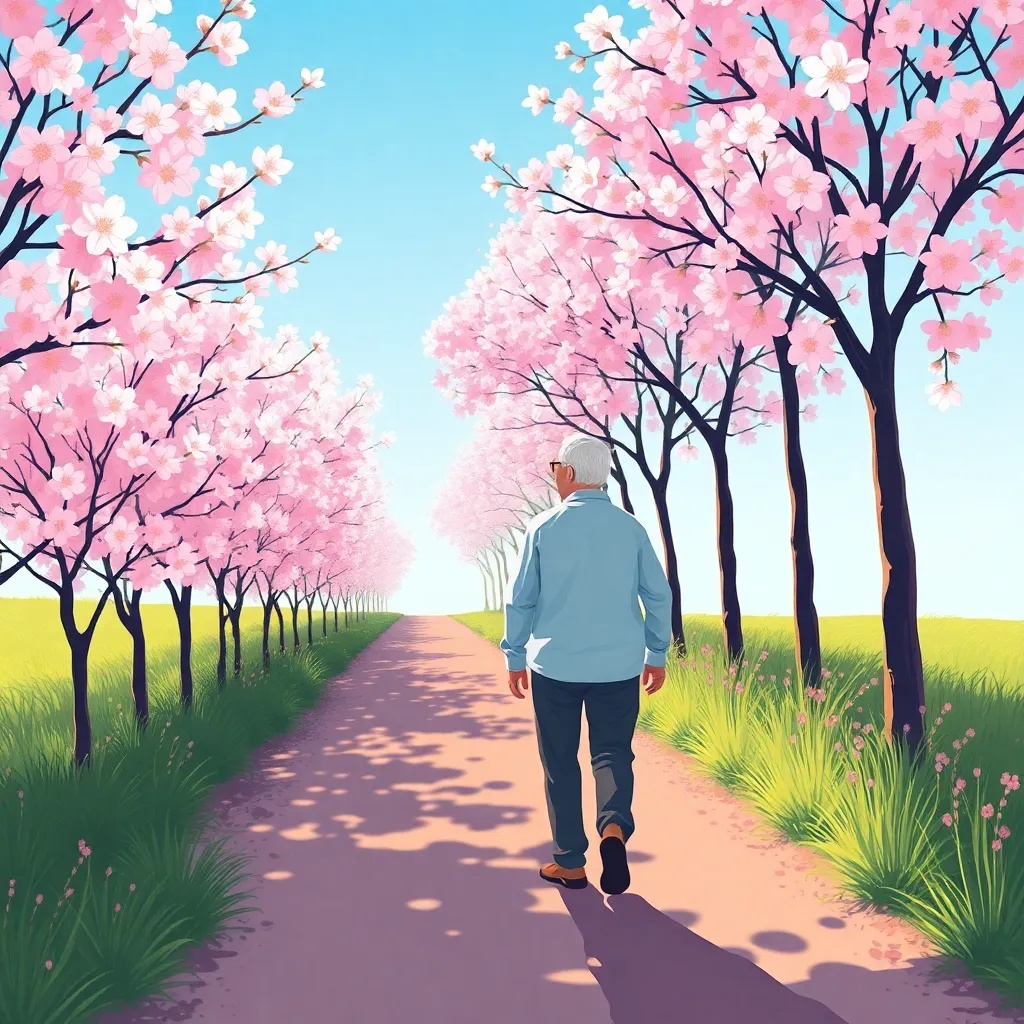
- Stay active: Even walking for 20-30 minutes daily can lower mortality risk by 30%.
- Eat well: A Mediterranean-style diet reduces inflammation and oxidative stress.
- Avoid smoking and limit alcohol: These are non-negotiable for longevity.
- Maintain a healthy weight: Excess weight strains the heart and joints.
- Manage stress and social connections: While not measured directly in this study, other research (e.g., Blue Zones) emphasizes purpose and community as key longevity factors. A 2023 JAMA study found that strong social networks add an average of three years to life expectancy among centenarians.
Dr. Anne Newman, an epidemiologist at the University of Pittsburgh, adds, “The takeaway from this study is that it’s not just about living longer, but living better. These lifestyle changes also improve physical function and cognitive health, which are crucial for quality of life in advanced age.”
Broader Context: A Shift in Longevity Science
This study aligns with a growing recognition that modifiable factors may be more powerful than previously thought. The American Heart Association’s 2023 ‘Life’s Essential 8’ now includes sleep as a key metric, and the World Health Organization has prioritized healthy aging as a global health goal. The CHCCS results challenge the deterministic view of aging and support public health interventions targeting older adults. Dr. James Kirkland, a geroscience researcher at the Mayo Clinic, notes, “We are moving away from genetics as destiny. This study is another nail in the coffin of biological fatalism.”
Conclusion: The Window of Opportunity Remains Open
The Hainan study offers a powerful message of hope: no matter how old you are, positive changes can extend your life. The nearly 7-year gain is equivalent to reversing the clock by a decade. As Dr. Wei concludes, “Age is not a barrier to change. Our study shows that even at 80, the body is remarkably responsive to healthy behaviors. It’s never too late to take control of your health.”
Analytical Background: The Evolution of Lifestyle Science
The interest in lifestyle as a determinant of longevity has grown exponentially since the 1970s, when the Alameda County Study first linked seven health habits (including sleep, exercise, and not smoking) to lower mortality. Subsequent research, such as the Harvard Alumni Study and the EPIC cohort, solidified the evidence. However, most studies focused on middle-aged adults. The CHCCS fills a critical gap by examining the oldest-old, a demographic often assumed to be beyond intervention. The results mirror findings from the Blue Zones – regions like Okinawa, Japan, and Nicoya, Costa Rica – where centenarians thrive not because of superior genetics but due to diet, activity, and social engagement. A 2025 systematic review in Aging Research Reviews confirmed that lifestyle interventions in adults over 75 can reduce all-cause mortality by 20-30%, independent of baseline health. This body of research challenges the medical model that prioritizes pharmacological and technological fixes over behavior change. As Dr. Greger points out, “We spend billions on drugs and surgeries, but the cheapest and most effective intervention remains a healthy lifestyle. The CHCCS study proves it works even at the end of life.”
In the broader context of current trends, the focus on modifiable risk factors is timely. With global populations aging rapidly, healthcare systems face immense pressure. Emphasizing lifestyle as a pillar of geriatric care could reduce disease burden and healthcare costs. The CHCCS study also highlights the importance of psychosocial factors like purpose and community, which were not explicitly measured but are embedded in the concept of ‘healthy lifestyle.’ Blue Zone research consistently shows that strong social networks and a sense of purpose add years to life. For instance, in Okinawa, ‘moai’ (strong social circles) are credited with fostering resilience and reducing stress. Future studies should integrate these elements. Ultimately, the message from Hainan is both empowering and evidence-based: your choices matter, no matter your age. It’s a call to action for individuals and policymakers alike to invest in healthy aging programs. As Dr. Wei sums up, ‘We must shift the paradigm from treating diseases to building health, and it starts with lifestyle.’