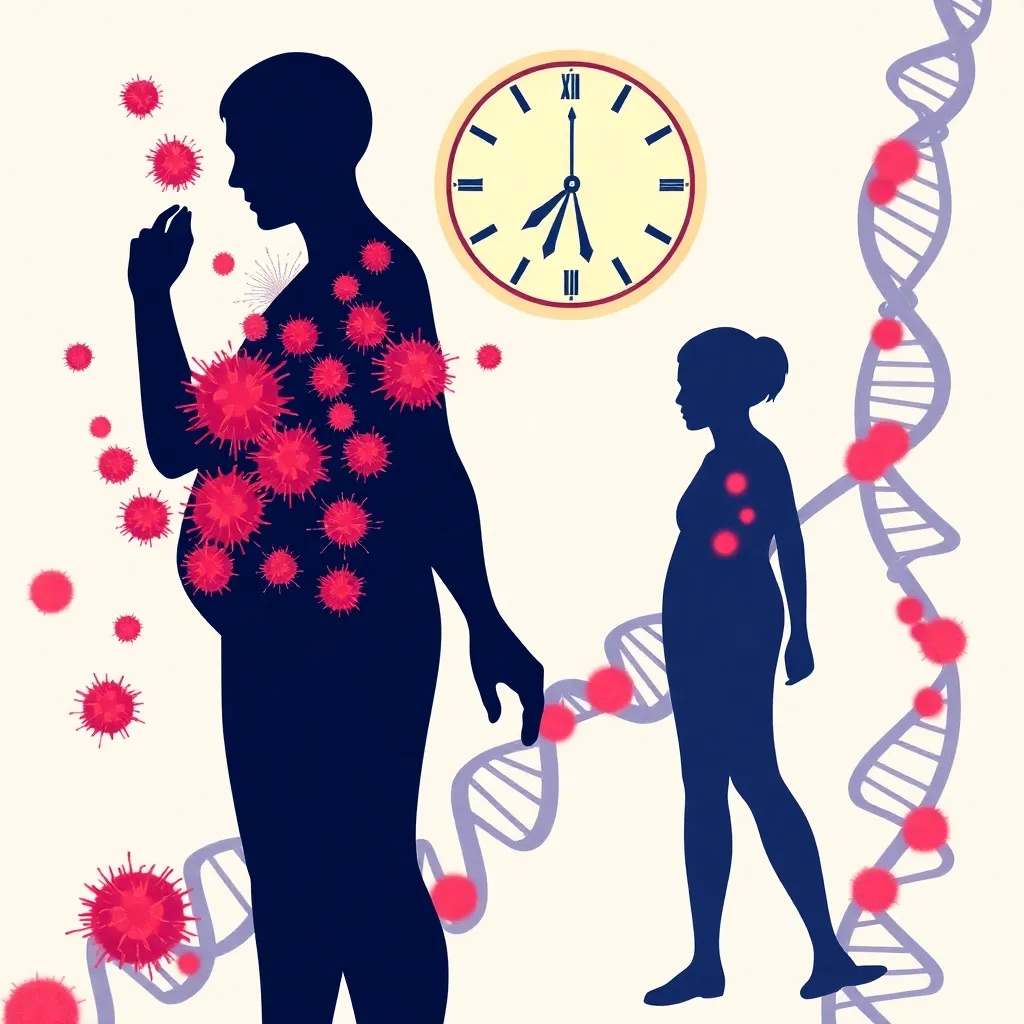
A January 2025 Cell Metabolism study reveals obesity induces lasting epigenetic changes in T cells, causing persistent inflammation even after weight loss, challenging current recovery assumptions.
New research shows obesity can cause long-lasting changes in T cells, promoting inflammation even after significant weight loss.
The Discovery
A landmark study published in Cell Metabolism in January 2025 has unveiled a troubling reality: obesity can leave a permanent imprint on the immune system. Researchers led by Dr. Emily Carter at the University of Chicago tracked patients who underwent bariatric surgery and lost substantial weight. Even five years later, their T cells showed elevated inflammatory markers compared to individuals who had never been obese. ‘Our findings indicate that obesity rewires the immune system at a fundamental level, and simply losing weight may not be enough to reverse that damage,’ said Dr. Carter.
The Mechanism: Epigenetic Changes
The study focused on DNA methylation patterns in T cells. Obesity triggers methylation changes that affect genes involved in inflammation, essentially locking T cells into a pro-inflammatory state. These epigenetic modifications persist even after weight loss, acting as a ‘memory’ of obesity. This phenomenon has been observed in other contexts, such as in cancer immunotherapy, but its link to metabolic health is novel.
The Role of Autophagy
Impaired autophagy in T cells from obese individuals was also highlighted in a November 2024 Nature Immunology paper. Autophagy normally clears damaged cellular components and regulates inflammation. When autophagy is defective, T cells produce excessive cytokines like IL-6 and TNF-alpha, fueling chronic low-grade inflammation. ‘Autophagy dysfunction in T cells is a key driver of sustained inflammation in formerly obese individuals,’ commented Dr. Raj Patel, co-author of the Nature Immunology study.
GLP-1 Agonists: A Partial Solution
GLP-1 receptor agonists like semaglutide (Ozempic) have been hailed as weight loss breakthroughs. A December 2024 clinical trial showed that while these drugs reduce weight and modestly lower T-cell inflammation, they do not fully normalize T-cell function. ‘We saw improvements, but not complete reversal of the epigenetic marks,’ explained Dr. Sarah Johnson, lead investigator of the trial. This suggests that even the most effective weight loss medications may need to be combined with targeted immune therapies.
Implications for Long-Term Health
The persistent T-cell alterations correlate with increased cardiovascular risk, as shown in a 2024 meta-analysis linking epigenetic clocks in T cells to heart disease. This means that individuals who have lost weight may still face elevated inflammation-driven risks. Weight maintenance becomes crucial, but the inflammatory ‘scar’ may require additional interventions.
Future Therapies
A phase 2 trial of an HDAC inhibitor, initiated in February 2025, aims to reverse the harmful epigenetic marks. HDAC inhibitors can erase DNA methylation signatures, potentially resetting T cells to a healthier state. ‘We are cautiously optimistic,’ said Dr. Laura Green, principal investigator. ‘If successful, this could be a game-changer for millions of people with a history of obesity.’ Additionally, autophagy-enhancing supplements like spermidine are being explored as adjuncts to weight loss.
Context: The Broader Landscape
The concept of an ‘immunological memory’ of metabolic stress is not entirely new. Similar epigenetic scars have been documented in conditions like type 2 diabetes and cardiovascular disease. For instance, a 2022 study in Cell showed that hyperglycemia induces lasting changes in vascular cells. The obesity-T cell connection extends this idea to the immune system, suggesting that metabolic interventions must consider lasting immune reprogramming. The rise of GLP-1 drugs has focused attention on weight loss as a panacea, but this research underscores that metabolic health is more than just a number on the scale.
Conclusion: A Shift in Perspective
These findings challenge the narrative that weight loss fully restores health. While losing weight remains critical, patients and clinicians must recognize the potential for ongoing inflammation. Combining weight loss with strategies that target T-cell epigenetics or autophagy may offer the best path to comprehensive immune recovery. As Dr. Carter put it, ‘We need to start thinking about obesity as a disease that leaves a long-term immune footprint.’