
Recent studies from the LEV Foundation and Brian Kennedy’s team show that combining therapies targeting multiple age-related damages can significantly extend lifespan and healthspan in preclinic...
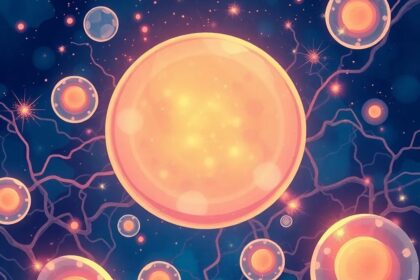
Recent studies reveal mesenchymal stromal cells transfer healthy mitochondria via endocytosis, combating mitochondrial dysfunction in aging and diseases like osteoporosis, with fenofibrate enhancing e...
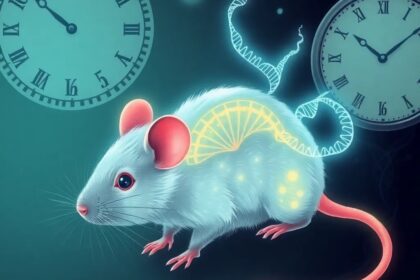
A new study reveals ANKRD1 gene therapy improves memory in aged mice by enhancing neurogenesis, signaling potential for anti-aging treatments targeting brain health. ANKRD1 gene therapy boosts memory ...

Recent advancements in cellular reprogramming, including significant funding and clinical trials, are transforming anti-aging science by targeting root causes of age-related diseases. Cellular reprogr...

Recent research shows targeted removal of dysfunctional B cells in aged mice improves immune function and healthspan, suggesting new therapeutic avenues for combating age-related decline. A new study ...

Emerging research links aging oral microbiome with senescent cells to amplify systemic inflammation, driving diseases like Alzheimer’s and offering new intervention targets such as probiotics an...

New research on position effect variegation in Drosophila reveals epigenetic aging markers, linking heterochromatin stability to longevity and informing anti-aging therapies. Recent studies show PEV i...

A 2024 study in Nature Aging shows transferring young gut bacteria to aged mice rejuvenates intestinal stem cells via Wnt signaling, suggesting FMT’s potential for age-related disorders. Recent ...
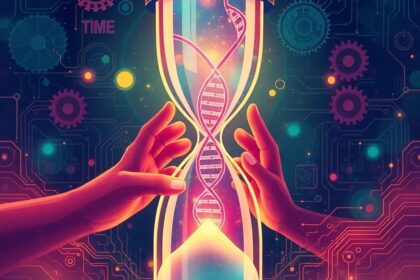
Analytical exploration of how geroscience, epigenetic reprogramming, and AI-driven therapies are converging to extend healthspan, with insights on clinical trials, societal impacts, and future trends....

A Nature Aging study shows mitochondrial stress enhances senolytic drugs like navitoclax, improving senescent cell removal by 40% with metabolic interventions. New research reveals mitochondrial stres...