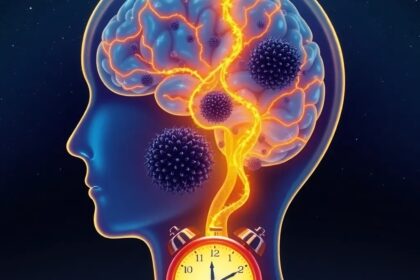
New breakthroughs in understanding the brain’s waste-clearing glymphatic system are opening doors to novel Alzheimer’s and Parkinson’s interventions, from lifestyle tweaks to future ...

New evidence links impaired glymphatic system to Alzheimer’s; lifestyle and drug therapies show promise in boosting brain waste clearance. Emerging research reveals that the glymphatic system—...
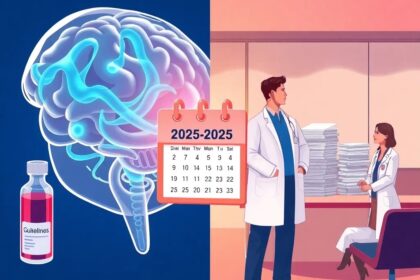
Despite validated p-tau217 blood tests for early Alzheimer’s prediction, clinical adoption lags due to lack of interventions and standardized protocols. Blood biomarker p-tau217 can predict Alzh...
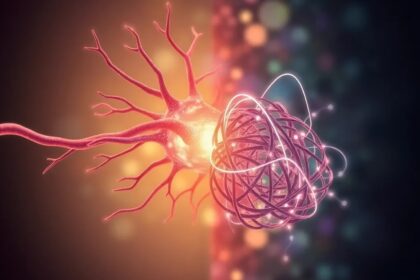
New research reveals tau is crucial for memory encoding, urging a balanced approach in Alzheimer’s therapies to preserve healthy tau. Tau, long vilified in Alzheimer’s, is actually vital f...
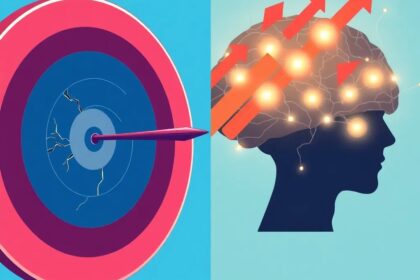
The 2026 Alzheimer’s clinical trials pipeline shows a strategic shift from amyloid to inflammation and tau targets, with combination therapies and repurposed drugs leading the way. In 2026, the Alzh...
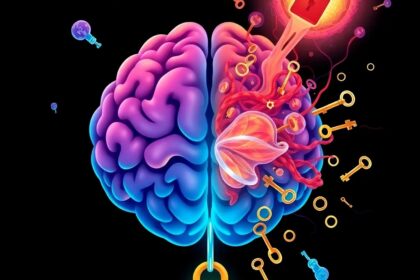
Alzheimer’s Drug Development Revolution: Inflammation and Tau Take Center Stage as Amyloid Era Fades
The 2024 pipeline report reveals a dramatic shift from amyloid to inflammation and tau targets, with repurposed drugs and combination therapies leading a new era of Alzheimer’s treatment. New re...
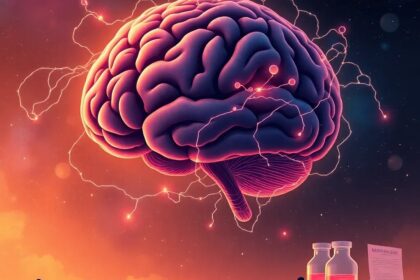
A recent DGIST study shows somatostatin overexpression reduces inflammation and amyloid β in mice, suggesting repurposing existing drugs like octreotide could accelerate Alzheimer’s therapy and...
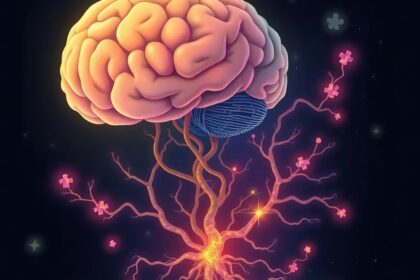
Recent studies highlight how probiotics and fecal microbiota transplantation reduce neuroinflammation and improve cognitive function in neurodegenerative diseases, offering new treatment avenues. New ...
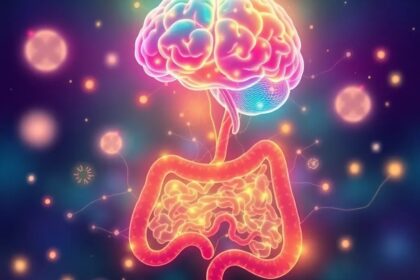
Recent research shows probiotics and fecal microbiota transplantation reduce neuroinflammation via the gut-brain axis, offering promising therapies for neurodegenerative diseases with clinical trials ...

Exploring recent advances in senolytic and senomorphic therapies, including dasatinib-quercetin and immune-based approaches, to combat age-related diseases like Alzheimer’s and sarcopenia. New t...