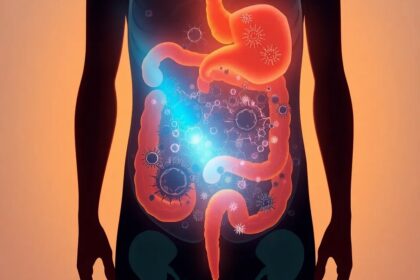
New studies show that aged gut microbes drive systemic aging via extracellular vesicles, while pulsed ultrasound restores microbiome diversity and improves muscle function in mice. Aging gut microbes ...
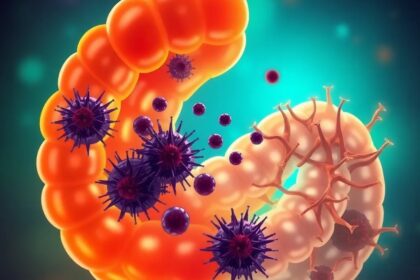
Aged gut microbes release harmful extracellular vesicles that damage tissues, offering new therapeutic targets beyond fecal transplants. A groundbreaking study shows that aged gut bacteria secrete ves...
KHL Foundation offers klotho, follistatin, sirtuin 1 gene therapies to older patients abroad, sparking ethical debates on right-to-try vs. safety. Bypassing FDA oversight, KHL Foundation’s gene ...

A landmark study from China reveals that lifestyle changes in people over 80 can dramatically extend lifespan, outweighing genetic risks. A groundbreaking study proves it’s never too late: favor...

New study shows lifestyle factors have three times greater impact on survival past 80 than genetic predisposition. A landmark study reveals that healthy habits outweigh genes for living longer, even i...
New research shows modifiable lifestyle factors add up to 7 years of life expectancy in older adults, even those with high genetic risk. A landmark study reveals that diet, exercise, and not smoking c...
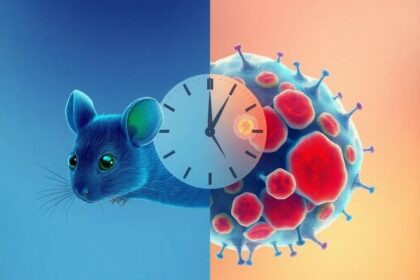
A major study reveals aging is a coordinated epigenetic program, not random damage. Single-cell ATAC-seq of 7 million cells shows stereotyped changes across organs, with therapeutic implications. New ...
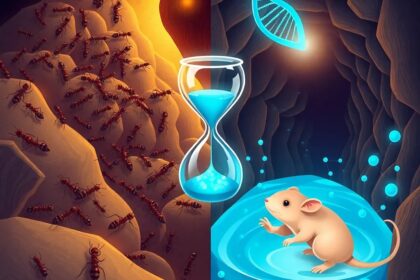
New research links eusociality to extreme longevity, revealing mechanisms like hyaluronic acid and epigenetic reprogramming that could inspire human anti-aging therapies. Eusocial species live excepti...
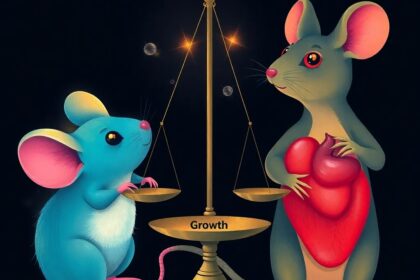
A 2024 Nature Aging study shows IGF1R inhibitors PPP and NVP-ADW742 extend healthspan by 8–12% but cause GI bleeding and cardiotoxicity, questioning their therapeutic potential. A 2024 mouse study r...
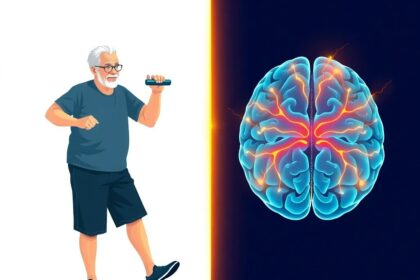
A 12-week RCT shows creatine supplementation enhances power training benefits, improving neuroplasticity, oxidative stress, physical function, and cognition in adults aged 60–80. New research reveal...