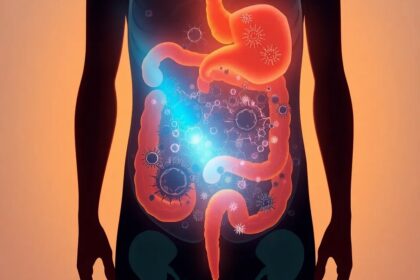
New studies show that aged gut microbes drive systemic aging via extracellular vesicles, while pulsed ultrasound restores microbiome diversity and improves muscle function in mice. Aging gut microbes ...
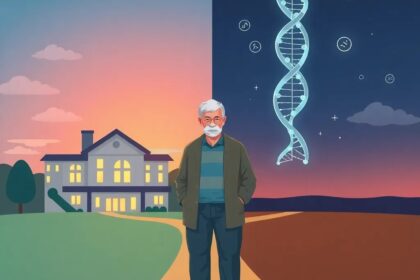
KHL Foundation offers klotho, follistatin, sirtuin 1 gene therapies to older patients abroad, sparking ethical debates on right-to-try vs. safety. Bypassing FDA oversight, KHL Foundation’s gene ...
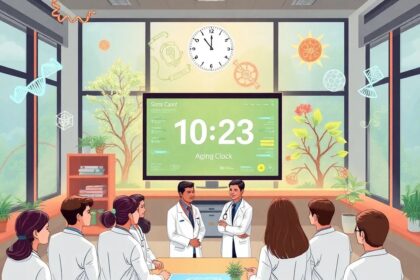
China introduces a pioneering curriculum integrating aging biology, AI, nutrition, and traditional Chinese medicine to shift from reactive treatment to proactive healthspan management. China launches ...
China’s new national program trains doctors in longevity medicine, combining geroscience, AI, and TCM to extend healthspan, setting a global precedent. China’s bold new initiative trains m...
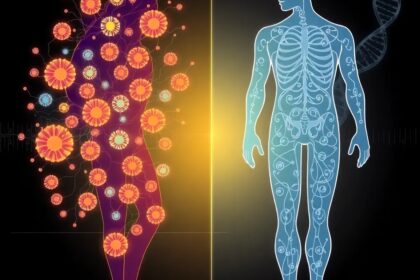
New research reveals how sex chromosomes and hormones dictate immune aging, explaining women’s higher disease burden despite longer life. Implications for personalized anti-aging strategies. Bio...
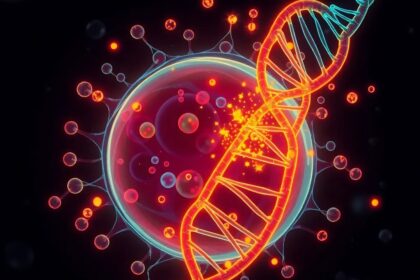
New CRISPR system selectively kills HPV-positive cancer cells and synergizes with KRAS inhibitors, opening precision medicine avenues. A novel CRISPR system called Cas12a2 can be programmed to destroy...
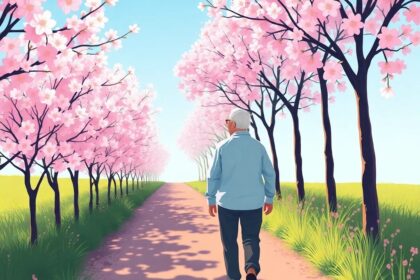
A landmark study from China reveals that lifestyle changes in people over 80 can dramatically extend lifespan, outweighing genetic risks. A groundbreaking study proves it’s never too late: favor...
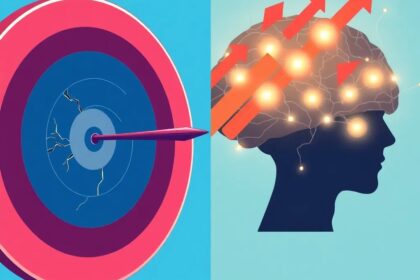
The 2026 Alzheimer’s clinical trials pipeline shows a strategic shift from amyloid to inflammation and tau targets, with combination therapies and repurposed drugs leading the way. In 2026, the Alzh...

New study shows lifestyle factors have three times greater impact on survival past 80 than genetic predisposition. A landmark study reveals that healthy habits outweigh genes for living longer, even i...
A March 2025 study in Cell Reports Medicine finds that muscle loss from GLP-1 drugs mirrors ordinary weight loss, alleviating public concern. A new study reassures that GLP-1 drugs do not cause dispro...