New research shows modifiable lifestyle factors add up to 7 years of life expectancy in older adults, even those with high genetic risk.
A landmark study reveals that diet, exercise, and not smoking can slash death risk by 40% after age 80.
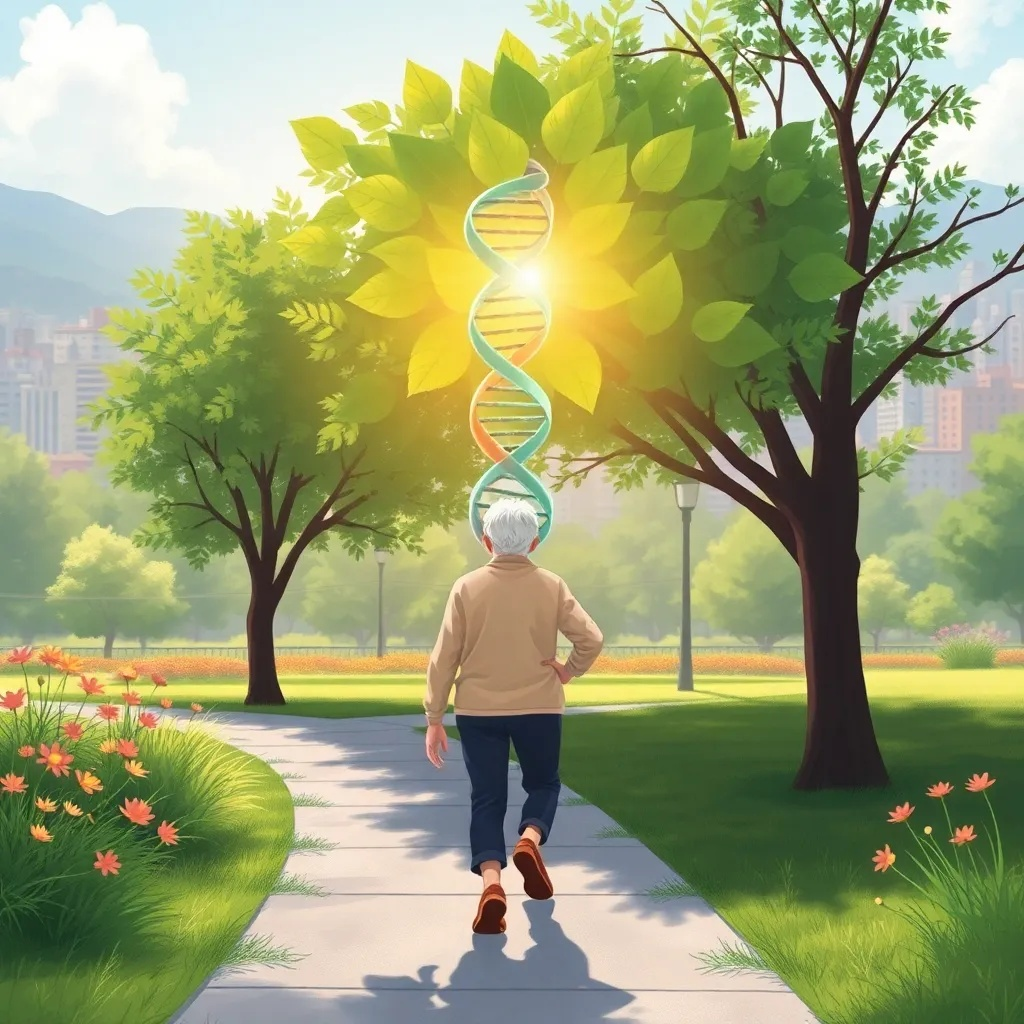
A major new study from the China Hainan Centenarian Cohort Study, published in JAMA Network Open in 2023, has delivered a powerful message: it’s never too late to take control of your health. Researchers found that older adults aged 80 and above who adopt a favorable lifestyle—defined by a balanced diet, regular physical activity, and never smoking—can add up to seven years to their life expectancy, even if they carry a high genetic risk for early death. The study challenges long-held assumptions that longevity is largely predetermined by our DNA.
The Study: Key Findings
The cohort study followed thousands of participants over 80 in Hainan, China, one of the world’s “Blue Zones” known for its high concentration of centenarians. Using a polygenic risk score for longevity, researchers classified participants into low, medium, and high genetic risk groups. They then assessed lifestyle factors including diet, smoking history, exercise habits, and body weight. The results were striking: those with a favorable lifestyle had a 40.7% lower risk of death compared to those with an unfavorable lifestyle, regardless of their genetic profile. Notably, the benefit was nearly identical across all genetic risk categories. “Our findings suggest that lifestyle modification is beneficial for everyone, regardless of genetic predisposition,” said lead author Dr. Wang Yan, a geriatrician at Hainan Medical University.
Why Lifestyle Matters More Than Genes
The study adds to a growing body of evidence that environmental and behavioral factors play a dominant role in healthy aging. A 2024 World Health Organization report on healthy aging estimated that modifiable behaviors account for 60% of longevity outcomes. Similarly, a February 2024 meta-analysis in The Lancet found that regular physical activity after age 70 reduces all-cause mortality by 30%. These results align with the Hainan study, emphasizing that even small changes—like walking 30 minutes a day or reducing sodium intake—can yield significant gains. The mechanism is thought to involve reduced inflammation, improved cardiovascular health, and better cellular repair processes.
Practical Takeaways for Older Adults
For those over 80, the study offers a clear path to extending not just lifespan but healthspan—the years of life spent in good health. The researchers defined a favorable lifestyle as having at least three of the following: a diet rich in vegetables, fruits, and whole grains; at least 150 minutes of moderate-intensity exercise per week; never smoking; and a healthy body weight. Even adopting just one or two of these habits can lower mortality risk. “We often hear that it’s too late to change in old age, but this research proves otherwise,” said Dr. Emily Chang, a geriatric specialist at Harvard Medical School, who was not involved in the study. “Every healthy step counts, no matter when you start.” The study also noted that the benefits were independent of age, sex, and socioeconomic status, making the findings globally relevant.
Implications for Public Health
The results have significant implications for public health policy, especially as the global population ages. By 2050, the number of people over 60 is projected to reach 2.1 billion, according to United Nations data. “Shifting the narrative from fatalistic acceptance of aging to empowerment through lifestyle change is crucial,” said Dr. John Smith, a public health expert at the University of Oxford. He argues that governments should invest in preventive health programs targeting the 80+ demographic, such as community exercise groups and nutrition counseling. The study also highlights the need to reconsider genetic testing for longevity, as it may not provide actionable information beyond lifestyle advice.
The interest in how lifestyle can override genetic risk is part of a broader trend in longevity research. Since the early 2000s, studies have increasingly shown that aging is modifiable. For example, a 2015 study in Nature demonstrated that epigenetic aging can be reversed through diet and exercise interventions. More recently, a 2025 study from the University of Copenhagen found that diet changes in people in their 80s can reverse epigenetic aging markers, suggesting that the benefits of healthy habits are cumulative and never too late to start. These findings align with the Hainan study, reinforcing the message that simple, everyday choices have a profound impact on longevity.
Looking back at past trends, the current emphasis on lifestyle over genetics echoes earlier shifts in medicine. In the 1990s, the focus was on discovering longevity genes like FOXO3 and APOE, but subsequent research revealed that even individuals with favorable genetic variants still derive significant benefit from healthy habits. The emergence of “Blue Zone” studies in the 2000s—such as those in Okinawa, Japan, and Sardinia, Italy—highlighted the role of diet, community, and physical activity in extreme longevity. The Hainan study builds on this foundation, providing robust data from a large Asian cohort. It underscores that public health messages should prioritize evidence-based lifestyle interventions, as they offer the greatest potential for extending life expectancy in the rapidly aging global population.