
Recent studies reveal urolithin A from pomegranate enhances mitochondrial function, improving exercise tolerance in statin users by 18% over 8 weeks. New research shows pomegranate-derived urolithin A...

The first human pilot study on intravenous BPC-157 demonstrates safety and tolerability, while preclinical data suggests potential in gut health, wound healing, and neuroprotection. The synthetic pept...

New research highlights the role of omega-3s, vitamin D, and personalized diets in managing endocrine therapy side effects, with AI offering tailored solutions. Emerging studies show personalized nutr...
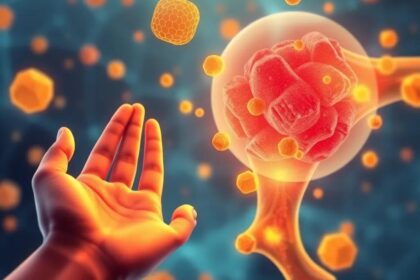
Cubosome technology improves delivery of anti-inflammatory herbal compounds like curcumin and boswellia, offering a promising alternative to conventional arthritis drugs with fewer side effects. Advan...

Recent studies show NLC-encapsulated curcumin and EGCG significantly improve skin retention and SIRT1 expression, offering promising anti-aging benefits. NLC-encapsulated curcumin and EGCG show enhanc...

A clinical trial at UC San Diego investigates how time-restricted eating may slow Huntington’s disease progression by improving metabolic health and reducing neuroinflammation. Researchers launc...

New cubosome technology delivers curcumin and resveratrol with unprecedented efficiency, showing 40% better inflammation reduction than conventional treatments in recent trials. Breakthrough cubosome ...

Recent studies reveal that combining curcumin and EGCG in nanostructured lipid carriers enhances antioxidant effects by 40%, offering promising anti-aging solutions. New research demonstrates the powe...

Recent pilot studies indicate BPC-157 may safely accelerate healing of tendon and muscle tears, though FDA approval is pending and WADA monitors its use in sports. Emerging research on the peptide BPC...

Recent advancements in nanotechnology enhance the bioavailability of curcumin and EGCG, offering groundbreaking anti-aging benefits through improved skin permeation and collagen stimulation. Nanostruc...
