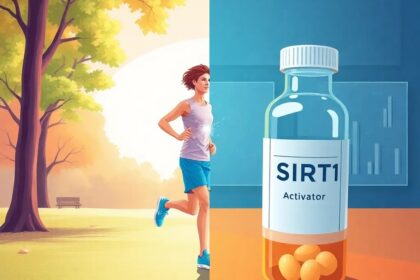
SIRT1 acts as a key exerkine released during exercise, combating aging more effectively than any drug. New research reveals optimal workout types for boosting this anti-aging molecule. Exercise releas...
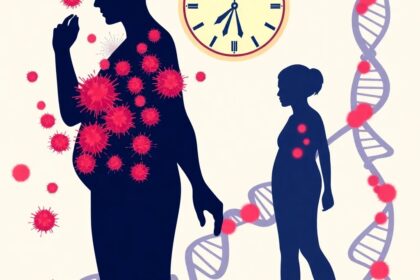
A January 2025 Cell Metabolism study reveals obesity induces lasting epigenetic changes in T cells, causing persistent inflammation even after weight loss, challenging current recovery assumptions. Ne...

A 2023 study in the Journal of Cachexia, Sarcopenia and Muscle finds rapamycin reduces muscle protein synthesis after exercise in older adults, highlighting trade-offs in longevity strategies. Recent ...
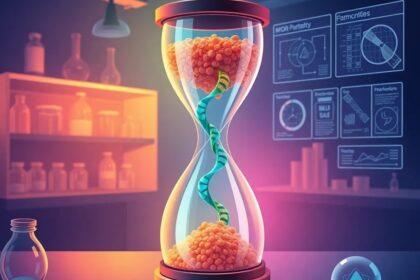
Analyzing recent rapamycin clinical trials for anti-aging, focusing on optimal dosing, safety, and the shift from off-label use to evidence-based protocols in longevity research. New human trials on r...

Recent studies uncover autophagy’s dual role in aging, suggesting early enhancement through lifestyle may delay decline, while late-stage inhibition in senescent cells could reduce inflammation,...
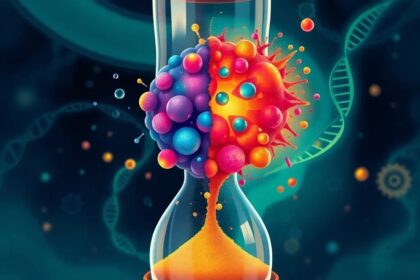
Recent studies highlight autophagy’s conflicting roles in aging: protective early on but sustaining harmful senescent cells under stress, with the threshold model guiding new clinical approaches...

Recent studies from the LEV Foundation and Brian Kennedy’s team show that combining therapies targeting multiple age-related damages can significantly extend lifespan and healthspan in preclinic...

Recent studies reveal that mild stressors like hypoxia enhance autophagy and epigenetic changes, delaying aging and informing lifestyle interventions and drug development for preventive health. Emergi...

New research shows combining Mediterranean polyphenols with ketogenic fats improves mitochondrial function in HD models, while time-restricted eating enhances therapeutic ketosis and autophagy. Phase ...

New clinical studies demonstrate time-restricted eating’s potential to slow Huntington’s progression through circadian optimization and enhanced autophagy, with major research institutions...