
Recent research indicates that nearly half of older adults can defy age-related decline through positive beliefs and structured interventions, enhancing cognitive and physical function. New studies re...

Golden spiny mice exhibit unique immune adaptations that slow aging and enhance regeneration, with recent studies offering hope for human healthspan therapies. Golden spiny mice demonstrate slowed agi...
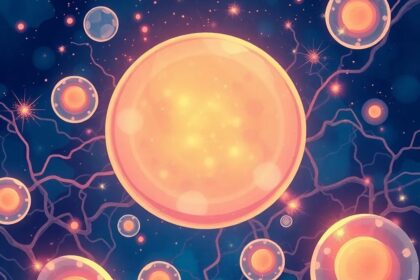
Recent studies reveal mesenchymal stromal cells transfer healthy mitochondria via endocytosis, combating mitochondrial dysfunction in aging and diseases like osteoporosis, with fenofibrate enhancing e...

Recent geriatric research finds positive age beliefs can boost cognitive and physical function by up to 40%, with practical strategies like mindfulness and social engagement supported by new data. New...

Recent studies reveal that mild stressors like hypoxia enhance autophagy and epigenetic changes, delaying aging and informing lifestyle interventions and drug development for preventive health. Emergi...
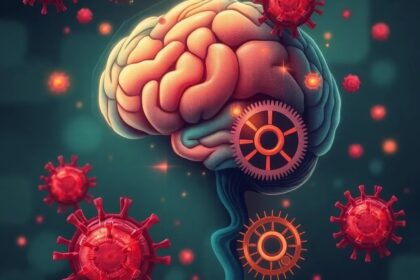
Recent studies reveal complement system biomarkers, such as C3 and C4, change with age and correlate with dementia, offering potential for early Alzheimer’s detection and insights into immune sy...
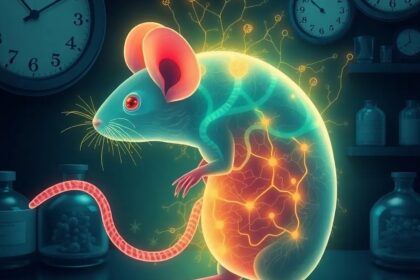
Recent research reveals that depleting gut microbiota in aged mice improves brain structure and function, highlighting the gut-brain axis as a key target for anti-aging therapies. Manipulating gut mic...

A 2023 study shows resistance training decelerates brain aging in seniors, with leg strength linked to cognitive improvements and reduced dementia risk. New research confirms resistance training slows...

The cGAS-STING pathway, crucial for innate immunity, drives harmful neuroinflammation in aging and Alzheimer’s, with recent studies highlighting therapeutic challenges and biomarker potential fo...

A groundbreaking study reveals centenarians’ unique chromatin accessibility in immune cells, with ERG reducing cellular senescence and boosting immune resilience, pointing to new epigenetic inte...
