
No-shows and empty slots are a revenue leak most wellness businesses tolerate. The mechanics that plug it — smart reminders, deposits, automatic waitlist fill — are exactly what legacy booking too...

A growing practice shouldn't need three disconnected builds to reach clients on the web and on mobile. One backend feeding a website, an iPhone app and an Android app means consistent client data, low...

Aging booking software costs a wellness practice more than its subscription: the no-shows it can't prevent, the fees that climb every year, the client data you can't get out, and a clunky experience c...

Soon your clients won't compare ten wellness websites — they'll ask an AI assistant to find and book a massage, class or consult for them. The assistant never sees your site; it calls a machine inte...

Plasma p-tau217 can predict Alzheimer’s decades early, but lack of protocols raises ethical concerns. Lifestyle interventions may bridge the gap. A blood test can now forecast Alzheimer’s ...

Peptides surge in popularity for anti-aging, but a dark gray market poses serious risks. Experts call for oversight. GLP-1 agonists like semaglutide spark a peptide revolution, but unapproved compound...

Documented cases of ChatGPT giving dangerous medical advice reveal why physician oversight remains essential as AI enters healthcare. Three patients received harmful medical advice from AI chatbots—...
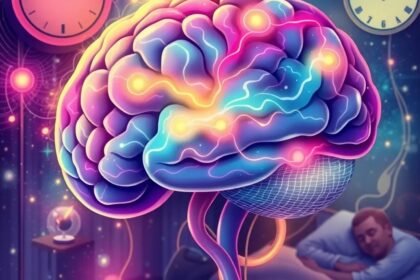
New evidence links impaired glymphatic system to Alzheimer’s; lifestyle and drug therapies show promise in boosting brain waste clearance. Emerging research reveals that the glymphatic system—...

Machine-learning models analyze gut bacteria to predict biological aging pace; Bifidobacterium linked to slower aging, Succinivibrio to acceleration. A 2024 study unveils EpiBiome models that predict ...

A woman’s death after an unapproved NAD+ IV infusion highlights the dangers of unregulated longevity treatments and the gap between hype and evidence. A tragic death linked to unregulated NAD+ i...