
On a modern self-hosted substrate, a small digital studio can credibly operate the booking, commerce and membership technology of a large multi-location wellness business — because the infrastructur...

As people increasingly ask an AI assistant to find and book wellness services, being machine-readable — agent-callable via emerging standards like MCP — becomes a new discovery channel. An honest ...

Owning the billing relationship — rather than routing it entirely through a tool you don't control — affects margins, continuity and resilience. A look at provider-agnostic and non-custodial (cryp...

Healthcare is consistently among the most expensive sectors for breaches — IBM's 2026 figures put the global average at $4.99M and the US average at $11.5M. For a wellness business the lesson isn't ...

Where your client records physically sit is not the same as who can legally reach them. The CLOUD Act lets US authorities compel US-owned providers even for EU-hosted data, and three US firms hold mos...

Under GDPR, health data sits in a 'special category' (Article 9) with a higher bar for how it's collected, stored and processed. In plain language: what that duty of care actually asks of a wellness p...

For a wellness business, 'the data is in the EU' is not the same as 'only we can reach it.' The CLOUD Act, the concentration of European cloud in a few US firms, and NIS2's new obligations mean data s...

A growing practice shouldn't need three disconnected builds to reach clients on the web and on mobile. One backend feeding a website, an iPhone app and an Android app means consistent client data, low...

As AI increasingly aids clinical decisions, the concept of ‘Clinical Cognitive Interaction’ emerges as a critical physician skill to balance benefits and risks. New framework calls for phy...
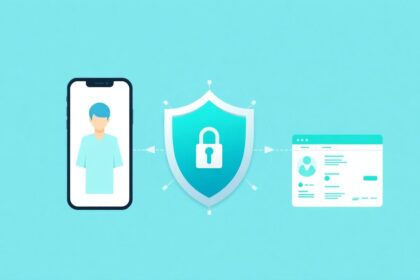
Every clinic app, patient portal, and pharma tool needs the same skeleton — secure backend, AI layer, web, mobile, payments — rebuilt each time under the hardest constraints in software: privacy, ...