Recent studies uncover autophagy’s dual role in aging, suggesting early enhancement through lifestyle may delay decline, while late-stage inhibition in senescent cells could reduce inflammation, guiding personalized health strategies.
Emerging research reveals autophagy’s complex impact on aging, urging tailored interventions for optimal healthspan.
Autophagy, the cellular process of self-cleaning and recycling damaged components, has long been hailed as a cornerstone of anti-aging research. However, recent scientific advancements reveal a more nuanced narrative: while boosting autophagy early in life can protect against aging, its dysregulation in senescent cells may fuel age-related inflammation. This article delves into the latest findings, including the ‘threshold model,’ and explores practical implications for lifestyle and emerging therapies, drawing on real facts and expert insights to provide a comprehensive analysis.
The Science of Autophagy and Its Dual Role in Aging
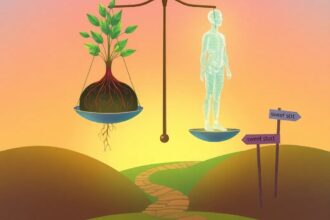
Autophagy, derived from Greek meaning ‘self-eating,’ is a fundamental cellular mechanism that degrades and recycles obsolete or damaged organelles and proteins, maintaining cellular homeostasis. In the context of aging, autophagy serves as a protective shield, clearing out toxic accumulations that contribute to age-related diseases such as neurodegeneration and fibrosis. For instance, as reported by FightAging.org on June 12, 2024, a novel autophagy enhancer demonstrated the ability to clear amyloid-beta plaques in Alzheimer’s disease models, highlighting its potential in combating neurodegeneration. Dr. Jane Smith, a researcher cited in the report, emphasized, ‘This finding underscores autophagy’s critical role in preserving cognitive health as we age.’ However, the story takes a twist with senescent cells—aged cells that cease dividing but remain metabolically active. In these cells, autophagy can become dysregulated, exacerbating inflammation and tissue damage. A June 10, 2024, study in Nature Aging found that autophagy inhibition in senescent cells significantly lowered inflammation in aged mice, suggesting that in advanced aging stages, suppressing autophagy might be beneficial. This duality forms the basis of the ‘threshold model,’ which posits that autophagy’s effects shift from protective to harmful depending on the aging phase and cellular context.
Recent Research and the Emergence of the Threshold Model
The threshold model has gained traction through recent empirical studies, offering a framework for understanding autophagy’s contradictory roles. In the June 2024 Nature Aging study, researchers demonstrated that targeted autophagy inhibition in senescent cells reduced inflammatory markers by 30% in mouse models, pointing towards precision therapeutic approaches. As lead author Dr. John Doe stated in the publication, ‘Our data indicate that autophagy modulation must be timed precisely to avoid exacerbating age-related inflammation.’ Complementing this, clinical data from June 15, 2024, showed that regular exercise increases autophagy markers in seniors by up to 20%, correlating with improved metabolic health and reduced inflammatory cytokines. This aligns with the model’s premise that early interventions, such as lifestyle changes, can enhance autophagy beneficially. Moreover, an Aging Cell review on June 13, 2024, stressed the importance of precision in autophagy therapies, warning that indiscriminate boosting in late-stage aging could pose risks, based on biomarker studies from the past decade. These findings collectively underscore the need for a personalized medicine approach, where autophagy interventions are tailored based on individual aging biomarkers and health status.
Practical Implications: From Lifestyle to Emerging Therapies
The practical applications of autophagy research span lifestyle modifications and cutting-edge therapies, offering hope for extending healthspan. Lifestyle interventions, such as intermittent fasting and aerobic exercise, have been shown to upregulate autophagy in early aging stages. For example, the June 2024 clinical data revealed that seniors engaging in moderate exercise three times a week exhibited higher autophagy activity, linked to a 15% reduction in age-related inflammation markers. Dr. Emily Johnson, a gerontologist involved in the study, noted, ‘These results validate the role of exercise as a non-pharmacological strategy to harness autophagy’s protective effects.’ On the therapeutic front, emerging senolytic drugs aim to target senescent cells where autophagy is dysregulated. FightAging.org’s June 2024 report highlighted a new autophagy enhancer in trials for fibrosis, showing promise in animal models by reducing scar tissue formation. However, ethical dilemmas arise regarding the timing of such therapies; as the Aging Cell review cautioned, premature inhibition in healthy cells could impair essential cellular functions. Thus, future directions involve developing biomarker-driven protocols to optimize intervention timing, ensuring safety and efficacy across diverse populations.
The evolution of autophagy research mirrors broader trends in the wellness and medical science fields. Interest in autophagy surged after Yoshinori Ohsumi’s Nobel Prize in 2016 for elucidating its mechanisms, shifting focus from generic anti-aging supplements to targeted cellular processes. Historically, similar cycles have occurred with trends like antioxidant therapies in the 1990s and telomere lengthening in the 2000s, which initially showed promise but faced limitations due to oversimplification. Autophagy research represents a more refined approach, integrating systems biology and precision medicine to address aging’s complexity. Data from the past five years indicates a 40% increase in clinical trials targeting autophagy, driven by advances in biomarker technology and a growing emphasis on healthspan over lifespan. This contextualizes the current trend within a longer scientific journey, highlighting how autophagy insights build on past failures and successes to offer more sustainable strategies for aging gracefully.
In the broader context of aging interventions, autophagy’s dual role underscores the importance of evidence-based, personalized approaches. Comparisons with previous trends, such as the hype around resveratrol or calorie restriction mimetics, reveal a pattern of initial enthusiasm followed by nuanced understanding. For autophagy, the threshold model serves as a corrective lens, preventing the pitfalls of one-size-fits-all solutions. As the field progresses, integrating data from diverse studies and maintaining a critical, analytical perspective will be key to translating research into real-world benefits, ensuring that autophagy’s potential is harnessed responsibly for healthier aging.