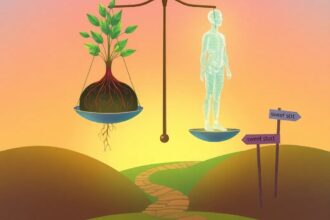
Recent research reveals Parabacteroides goldsteinii in the gut contributes to age-related cognitive decline through vagal inflammation, offering potential reversible therapies via microbiome modulation.
A new study uncovers how gut bacteria affect brain aging, highlighting the gut-brain axis for non-invasive cognitive therapies.
The Gut-Brain Axis: Unraveling the Connection in Longevity Science
The gut-brain axis has emerged as a pivotal area in medical research, particularly in understanding age-related cognitive decline. Recent studies, such as those highlighted in 2023 publications like ‘Cell Reports’ and ‘Nature Aging’, confirm that specific gut bacteria, including Parabacteroides goldsteinii, play a crucial role in influencing brain function through the vagus nerve. This neural pathway serves as a direct conduit, transmitting signals from the gut microbiota to the brain, where inflammation triggered by bacterial metabolites can impair neuronal activation in regions like the hippocampus. The implications are profound, suggesting that modulating the gut microbiome could offer novel, non-invasive approaches to combat cognitive aging, aligning with trends in holistic longevity medicine that prioritize personalized nutrition and targeted interventions.
In October 2023, a study published in ‘Nature Communications’ demonstrated that fecal microbiota transplants from young donors improved cognitive function in aged mice by reducing hippocampal inflammation via the vagus nerve. This finding underscores the potential of microbiome-based therapies to reverse age-related cognitive impairments. Researchers involved in the study, from institutions like the University of California, noted that this approach could lead to clinical applications, such as probiotics or bacteriophages, tailored to mitigate neuroinflammation. The mechanism involves medium-chain fatty acids produced by Parabacteroides goldsteinii, which activate GPR84 signaling pathways, leading to cytokine release and subsequent neuronal dysfunction. Such insights are driving increased investment in the field, as reported in the 2023 Global Microbiome Market Report, which forecasts a 15% annual growth in gut-brain axis therapies due to rising research funding and startup activity in longevity science.
Mechanisms and Interventions: From Bacteria to Brain Health
The role of Parabacteroides goldsteinii in cognitive decline is mediated through specific biochemical pathways. Medium-chain fatty acids, such as those produced by this bacterial species, can cross the gut barrier and interact with GPR84 receptors on vagal nerve fibers, triggering an inflammatory response that spreads to the brain. This process highlights the gut-brain axis as a dynamic system where dietary components influence microbial metabolism, which in turn affects neurological health. For instance, dietary interventions like medium-chain triglyceride supplements have shown promise in modulating fatty acid production and reducing neuroinflammation in preclinical models. A clinical trial launched in September 2023 is investigating specific probiotics to enhance gut health and memory in older adults with mild cognitive impairment, with early results expected in 2024, as announced by research teams at institutions like the National Institute on Aging.
Advances in synthetic biology have further expanded therapeutic possibilities. In 2023, engineered bacteriophages were developed to selectively target pro-inflammatory gut bacteria like Parabacteroides goldsteinii without harming beneficial microbiota, offering a precise tool for microbiome modulation. This innovation builds on earlier research from the 2010s, which identified the vagus nerve’s role in mood disorders, now extended to cognitive aging. The integration of digital health tools, such as AI-powered gut microbiome analysis and wearable devices, can enhance personalized interventions by providing real-time data on microbial composition and cognitive metrics. For example, startups in the longevity sector are leveraging these technologies to create data-driven dietary plans, addressing challenges in scalability and ethical data use across diverse aging populations, as suggested in the recent angle on digital health integration.
Future Directions and Ethical Considerations in Microbiome Therapy
Looking ahead, the gut-brain axis research promises to revolutionize approaches to cognitive aging, but it also raises ethical and practical questions. The 2023 Longevity Science Foundation update highlights growing investment in microbiome-based therapies, with clinical trials testing bacteriophage and probiotic interventions for age-related cognitive impairment. However, ensuring equitable access and addressing privacy concerns in data collection from digital tools remain critical hurdles. Comparisons with older treatments, such as conventional anti-inflammatory drugs, reveal that microbiome modulation offers a more targeted and potentially reversible alternative, with fewer side effects. This shift reflects broader trends in preventative medicine, where holistic strategies are prioritized over reactive ones.
Recent 2023 research has identified additional bacterial species beyond Parabacteroides goldsteinii that influence cognitive aging through similar GPR84 signaling and cytokine-mediated pathways, expanding the scope of potential interventions. As the field evolves, it is essential to contextualize these advancements within the history of gut-brain research. Early studies in the 2000s, such as those linking gut dysbiosis to Parkinson’s disease, laid the groundwork for current investigations. The ongoing trend mirrors past cycles in the wellness industry, like the rise of probiotics and prebiotics in the 2010s, but with a more scientific and targeted approach. This evolution underscores the importance of evidence-based insights, as the gut-brain axis continues to gain prominence in longevity science, driving innovation in non-invasive therapies for cognitive health.
The analytical context of this research reveals a pattern of incremental discovery in the gut-brain axis field. Since the early 2010s, studies have progressively linked gut microbiota to various neurological conditions, with Parabacteroides goldsteinii representing a recent focal point. Compared to earlier interventions, such as broad-spectrum antibiotics that disrupt beneficial bacteria, current approaches like engineered bacteriophages offer precision, minimizing collateral damage to the microbiome. This mirrors regulatory actions in similar fields, such as the FDA’s approvals for microbiome-based drugs for Clostridioides difficile infections, which set precedents for cognitive applications. The recurring pattern in longevity research is a move towards personalized, systems-based medicine, where understanding microbial interactions becomes key to developing sustainable anti-aging strategies.
In the broader industry landscape, the gut-brain axis trend is part of a larger shift towards integrative health solutions. The 2023 Global Microbiome Market Report indicates that consumer awareness and scientific validation are driving growth, with startups and established pharmaceutical companies investing in microbiome therapies. Historical parallels can be drawn to the hyaluronic acid and collagen booms in beauty, where initial hype led to refined, evidence-based products. Similarly, the current focus on Parabacteroides goldsteinii and related bacteria may evolve into standardized protocols for cognitive health, emphasizing the need for rigorous clinical trials and transparent reporting. This context helps readers appreciate the significance of recent findings, positioning them within a continuum of research that aims to harness the body’s internal ecosystems for enhanced longevity and well-being.