Recent studies reveal that aligning meal times with circadian rhythms can slow biological aging and improve metabolic health, offering non-pharmaceutical strategies for longevity.
New research highlights how meal timing affects aging rates, providing actionable insights for health optimization.
The Science Behind Chrono-Nutrition and Aging
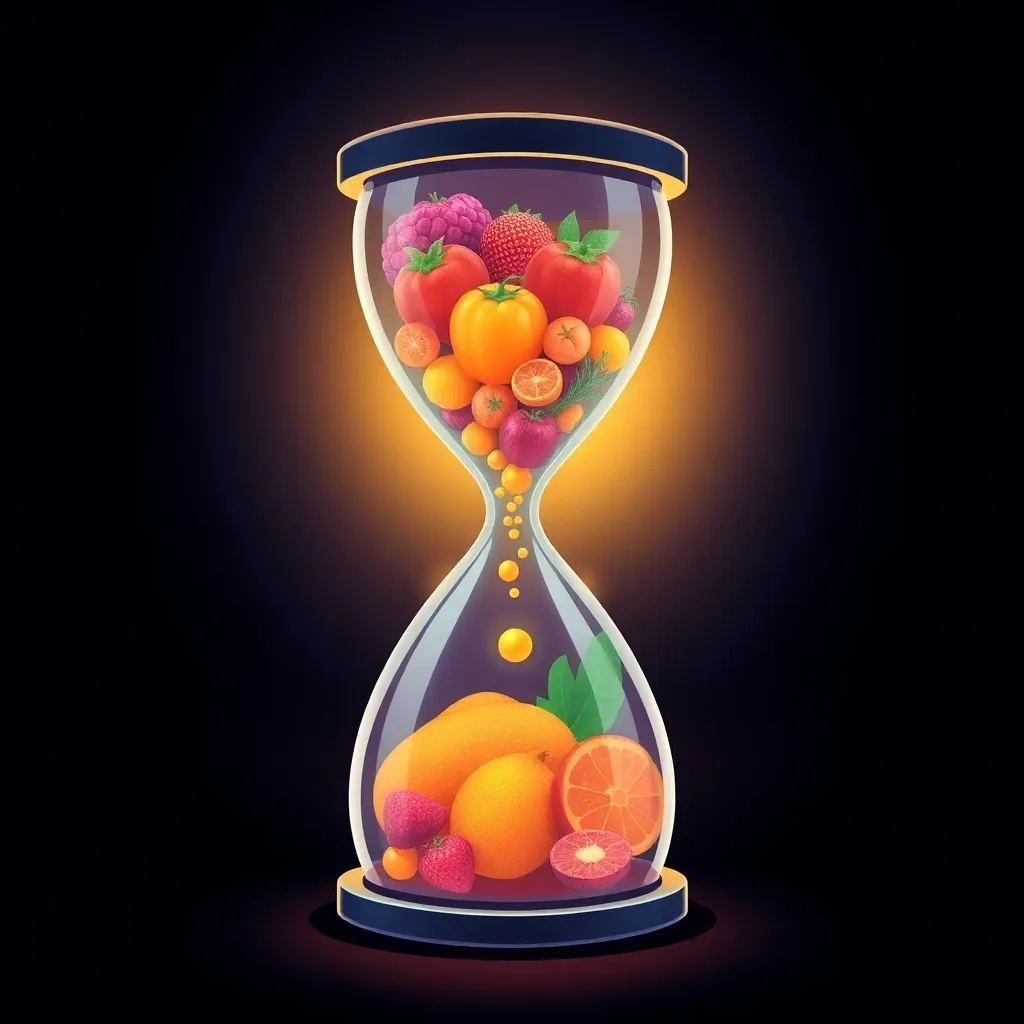
Chrono-nutrition, the practice of aligning meal timing with the body’s natural circadian rhythms, is emerging as a powerful tool in the fight against biological aging. Recent scientific advancements have shed light on how this approach can influence health outcomes, particularly in slowing the aging of vital organs like the heart and liver. According to a 2023 report in ‘Aging Cell’, time-restricted eating (TRE) within 8-10 hour windows has been shown to reduce markers associated with accelerated aging and enhance metabolic functions. This growing body of evidence positions chrono-nutrition as a key component in preventive health strategies, moving beyond traditional diets to address age-related decline through lifestyle interventions. The concept hinges on the idea that our internal clocks, regulated by circadian rhythms, optimize processes such as digestion and metabolism at specific times of day, and disrupting these patterns can lead to increased inflammation and cellular damage.
One of the pivotal studies in this field, published in ‘Cell Metabolism’ in 2023, found that a 10-hour time-restricted eating window improved insulin sensitivity and reduced biological age indicators in adults over 40. Dr. Satchin Panda, a leading researcher in circadian biology at the Salk Institute, emphasized in an interview with ‘Nature’ that “meal timing is not just about what you eat, but when you eat it, and this can have profound effects on aging trajectories.” This research underscores the importance of avoiding late-night eating, as highlighted by a 2022 study in ‘Nature’ which showed that such habits increased inflammation and accelerated liver aging in animal models. By synchronizing eating patterns with daylight hours, individuals can potentially mitigate metabolic disorders and enhance longevity, making chrono-nutrition a practical approach for everyday health management.
Personalizing Chrono-Nutrition for Optimal Health
The effectiveness of chrono-nutrition is not one-size-fits-all; it varies based on individual factors such as age, sex, and diet quality. For instance, older adults may benefit from earlier meal times to align with natural circadian shifts, while younger populations might adapt differently. A meta-analysis in ‘The Lancet Diabetes & Endocrinology’ emphasized that high diet quality, particularly fiber intake, enhances the anti-aging effects of meal timing strategies. This personalized aspect is crucial, as it ensures that interventions are tailored to maximize benefits without causing undue stress. Moreover, the Global Wellness Institute’s 2023 report notes a growing adoption of chrono-nutrition apps, reflecting a trend towards digital tools that facilitate customized eating schedules based on real-time data from wearables and AI algorithms.
Actionable advice for readers includes adopting time-restricted eating, such as consuming meals within a 8-10 hour window and avoiding food intake at least three hours before bedtime. This simple shift can help reset circadian rhythms and reduce the risk of metabolic diseases. Additionally, focusing on nutrient-dense foods during eating windows amplifies the benefits, as supported by the ‘JAMA Internal Medicine’ clinical trial in 2023, which demonstrated that time-restricted eating reduced cardiovascular risk factors without the need for calorie restriction. By integrating these practices, individuals can harness chrono-nutrition to combat age-related decline proactively, aligning with broader wellness trends that prioritize non-pharmaceutical solutions for long-term health.
The Role of Digital Health in Scaling Chrono-Nutrition
As chrono-nutrition gains traction, digital health technologies are playing an increasingly vital role in making personalized interventions accessible and scalable. Wearable devices that monitor sleep and activity patterns, combined with AI-driven apps, can analyze individual circadian rhythms to recommend optimal meal times. This tech-driven approach moves beyond generic advice, offering tailored solutions that adapt to lifestyle variables. The Global Wellness Institute’s 2023 report highlights market growth in this sector, with innovations enabling real-time feedback and adjustments. For example, apps like ‘Chrono’ and ‘MyCircadianClock’ use data from studies, including those cited earlier, to guide users in implementing effective time-restricted eating schedules, thereby democratizing access to advanced health insights.
Looking ahead, the integration of chrono-nutrition with digital tools represents a frontier in preventive health, potentially transforming how we approach aging and wellness. By leveraging technology, individuals can optimize their eating patterns with precision, reducing the guesswork involved in traditional dieting. This evolution is part of a larger shift towards personalized medicine, where lifestyle factors are quantified and managed through innovative platforms. As research continues to validate these approaches, chrono-nutrition is set to become a cornerstone of holistic health strategies, empowering people to take control of their aging process through simple, evidence-based modifications to daily routines.
The rise of chrono-nutrition mirrors past wellness trends, such as the intermittent fasting craze of the 2010s, which initially focused on calorie restriction but has since evolved to incorporate circadian principles. Historical context shows that interest in circadian rhythms dates back to early 20th-century studies on sleep-wake cycles, but it wasn’t until the 2000s that research began linking meal timing to metabolic health. For instance, studies in the 1990s by researchers like Dr. Franz Halberg laid the groundwork for understanding how external cues influence internal clocks, setting the stage for today’s chrono-nutrition applications. This progression highlights a recurring pattern in the health industry: initial fascination with simple rules gives way to more nuanced, science-backed strategies that consider individual variability and long-term sustainability.
Within the broader beauty and wellness landscape, chrono-nutrition aligns with cycles of product and trend adoption, similar to how supplements like biotin or hyaluronic acid gained popularity in previous decades. Data from industry reports, such as those by the Global Wellness Institute, indicate that consumer demand for evidence-based, non-invasive anti-aging solutions has driven innovation in both nutrition and technology. The current focus on personalized health, fueled by digital advancements, suggests that chrono-nutrition is not a fleeting trend but a deepening integration of science into daily life. By examining these patterns, we see that effective wellness interventions often emerge from the convergence of historical research and modern tools, offering scalable ways to enhance longevity without reliance on pharmaceuticals.