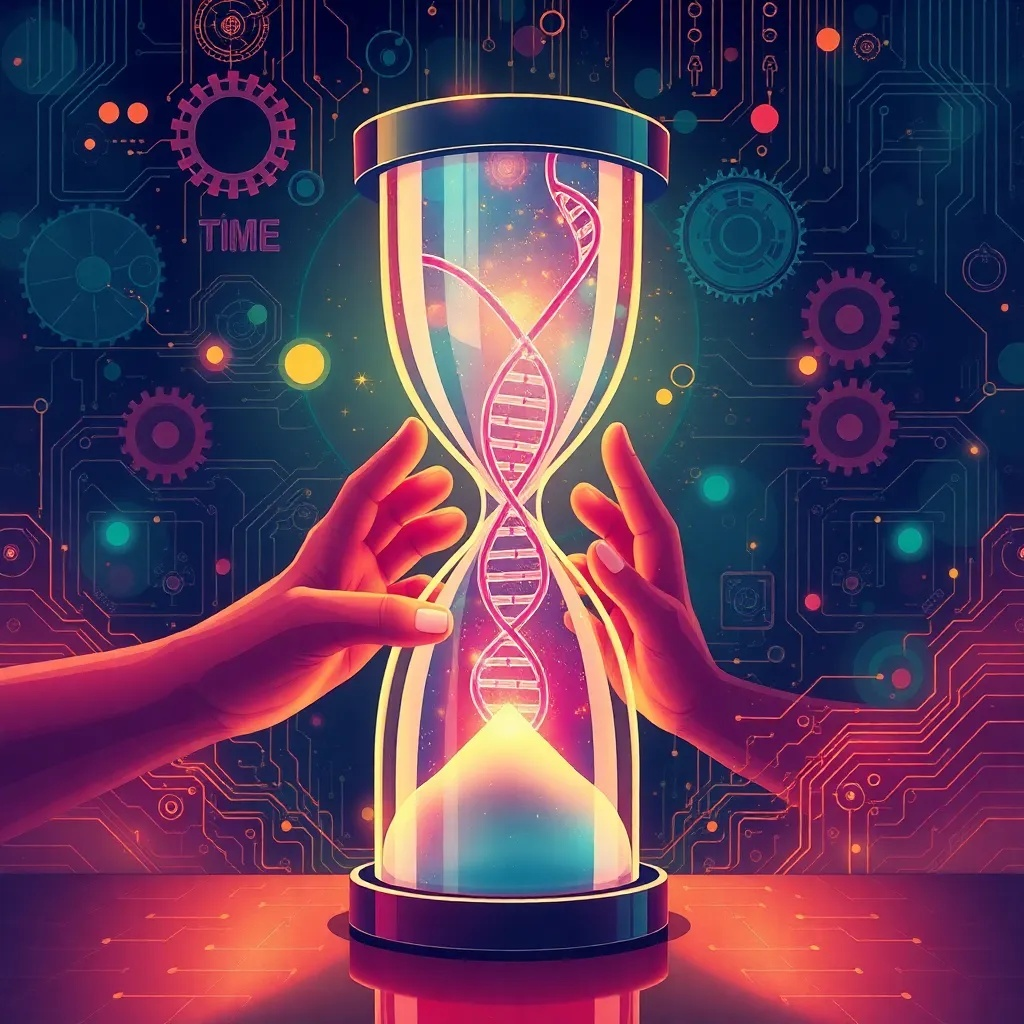
Analytical exploration of how geroscience, epigenetic reprogramming, and AI-driven therapies are converging to extend healthspan, with insights on clinical trials, societal impacts, and future trends.
Geroscience advancements blend AI and epigenetics to target aging at cellular levels, promising personalized interventions and reshaping wellness paradigms by 2030.
In recent years, aging science has shifted from a focus on inevitable decline to a modifiable process, driven by breakthroughs in geroscience, epigenetic reprogramming, and artificial intelligence. This analytical post delves into expert insights and real-world developments that are setting the stage for a transformative decade in healthspan extension.
The Geroscience Revolution: From Senolytics to Cellular Rejuvenation
Geroscience, the interdisciplinary study of aging, has gained momentum with practical applications emerging from clinical trials. Last week, a study published in Cell Metabolism found that senolytic drugs significantly reduced senescent cells in human trials, suggesting improved outcomes for age-related diseases. As noted in the research, this reduction in inflammation markers hints at broader health benefits, aligning with predictions from experts who see senolytics as a cornerstone of future anti-aging therapies.
Parallel to this, epigenetic reprogramming has captured attention with substantial investments. Altos Labs announced a $3 billion funding boost aimed at reversing cellular aging through epigenetic research, as reported in recent industry updates. This move signals a shift towards more aggressive interventions, with firms like Altos Labs pushing the boundaries of what’s possible in longevity science.
AI-Driven Therapies: Accelerating Discovery and Personalization
Artificial intelligence is revolutionizing aging science by enhancing drug discovery and target identification. DeepMind’s new AI model, highlighted in tech updates this week, predicted aging-related protein structures, enabling faster therapeutic development. This integration of AI was a key theme at the 2023 Global Geroscience Summit, where discussions emphasized its role in creating personalized aging interventions and shaping upcoming regulatory frameworks.
Further evidence comes from a preprint study shared recently, showing that rapamycin clinical trials in older adults improved immune function, supporting its anti-aging potential. These AI-aided discoveries are not just theoretical; they are paving the way for real-world applications that could democratize healthspan extension, though challenges in cost and access remain.
Precision Aging: The Synergy of AI and Epigenetics
The concept of ‘precision aging’ is emerging from the synergy between AI and epigenetics, mirroring the evolution of precision medicine. This approach aims to tailor anti-aging treatments based on individual genetic and epigenetic profiles, leveraging AI to analyze vast datasets. Experts predict that over the next decade, this could lead to a surge in personalized therapies, transforming aging from a uniform process to a customizable one.
However, this innovation raises societal issues, such as healthcare disparities and ethical dilemmas. For instance, while AI models can identify novel compounds, the high cost of epigenetic therapies may limit access, potentially widening global health gaps. Insights from the Geroscience Summit suggest that regulatory bodies will need to adapt to ensure equitable distribution of these advancements.
Societal Impacts and Future Trajectories
As aging science progresses, its societal impacts are profound, redefining norms around vitality and wellness. The push towards extended healthspan could alleviate healthcare burdens but also spark debates on aging ethics and resource allocation. By 2030, these trends may reshape how societies view aging, emphasizing prevention and enhancement over traditional decline.
The journey is not without hurdles. Historical patterns in anti-aging trends, such as the rise and fall of supplements like biotin or hyaluronic acid, offer cautionary tales. In the beauty and wellness industry, cycles of hype often give way to evidence-based approaches, and current scientific interventions must navigate this landscape to achieve lasting impact.
Reflecting on similar past trends, the anti-aging market has evolved from superficial creams to scientifically backed supplements, with collagen gaining popularity among younger demographics in recent years. This mirrors a broader shift towards holistic wellness, where consumer awareness drives demand for proven efficacy. For example, the interest in microbiome-friendly skincare since 2018, pioneered by brands like Mother Dirt, set the stage for today’s precision aging focus, highlighting how industry innovations build on previous scientific discoveries.
Contextualizing within the broader beauty and wellness industry, the current emphasis on AI and epigenetics represents a maturation from anecdotal remedies to data-driven solutions. Historical data shows that trends like LED therapy, rooted in NASA experiments from the 1990s, gained traction through technological miniaturization, similar to how today’s aging science leverages AI for scalability. This analytical perspective underscores that while new trends emerge, they often draw from decades of research, ensuring that advancements in healthspan extension are grounded in robust evidence rather than fleeting fads.

