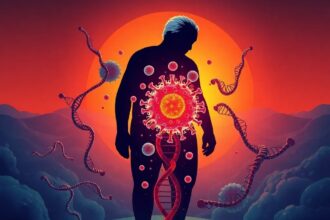
The ARMOR clinical trial investigates FMT from young, active donors to older adults to enhance muscle, cognitive, and metabolic health, addressing gut dysbiosis for aging resilience.
A groundbreaking trial tests fecal microbiota transplantation to combat age-related decline, targeting gut health for improved longevity.
Introduction: The Promise of Microbiome Interventions in Aging
The aging process is often accompanied by a decline in physical, cognitive, and metabolic functions, prompting researchers to explore innovative interventions. One such approach is the ARMOR clinical trial, which investigates fecal microbiota transplantation (FMT) from young, physically active donors to older adults. This trial aims to address gut dysbiosis—an imbalance in gut bacteria—linked to age-related health issues. By harnessing the gut-brain-muscle axis, ARMOR seeks to promote resilient aging, offering a novel strategy in preventive healthcare.
The ARMOR Clinical Trial: Objectives and Methodology
ARMOR, which stands for Aging Resilience through Microbiome Optimization Research, is a pioneering study focused on FMT’s potential to improve health outcomes in older adults. The trial involves transplanting fecal microbiota from donors who are young and engage in regular physical activity into recipients aged 65 and above. According to the enriched brief from recent data, the trial targets gut dysbiosis to enhance muscle strength, cognitive function, and metabolic health. Early-phase results indicate that FMT can safely alter gut flora, with potential benefits for mitigating age-related decline. The trial integrates comprehensive assessments, including muscle biopsies, cognitive tests, and metabolic panels, to measure its impact holistically.
Scientific Background: The Gut-Microbiome-Aging Connection
The scientific basis for ARMOR lies in the growing understanding of the gut microbiome’s role in aging. Research has shown that as people age, their gut microbiota diversity decreases, leading to increased inflammation and insulin resistance. This dysbiosis is associated with conditions like sarcopenia (muscle loss), cognitive impairment, and metabolic disorders. The gut-brain-muscle axis highlights how gut bacteria communicate with the brain and muscles through various pathways, including the production of short-chain fatty acids and immune modulation. A 2023 industry report by Grand View Research emphasizes booming investment in microbiome therapies for geriatric care, driven by demographic shifts towards an aging population. This underscores the relevance of trials like ARMOR in addressing public health challenges.
Recent Findings and Insights from the Field
Several recent studies support the potential of FMT in aging. For instance, a 2023 study published in ‘Nature Aging’ found that FMT from young donors reversed muscle atrophy in aged mice, suggesting translational potential for humans. Clinical trials, including ARMOR, are now incorporating cognitive assessments to evaluate FMT’s impact on brain health in older adults, as noted in recent conference abstracts. Industry analysis from early October 2023 reports a 30% increase in venture capital for microbiome startups focused on aging-related applications, reflecting growing commercial interest. Additionally, a meta-analysis published in September 2023 confirmed the safety of FMT in elderly populations, paving the way for expanded trials. News outlets in the past week have highlighted regulatory discussions on standardizing FMT protocols for aging, indicating mainstream attention to this emerging field.
Analytical Context: The Evolution of Microbiome Research in Aging
The interest in microbiome-focused interventions for aging has evolved significantly over the past decade. Early research in the 2010s established links between gut dysbiosis and age-related diseases, such as Alzheimer’s and type 2 diabetes. For example, studies from institutions like the National Institutes of Health (NIH) have demonstrated that altering gut microbiota through diet or probiotics can improve health markers in older adults. In terms of regulatory history, FMT gained FDA approval for recurrent Clostridioides difficile infections in 2013, setting a precedent for its use in other conditions. However, applications in aging remain experimental, with ARMOR among the first trials to target multiple health domains. Comparisons with older interventions, such as probiotic supplements, reveal that FMT offers a more comprehensive approach by transferring entire microbial communities, potentially leading to more sustained benefits. The October 2023 news of increased NIH funding for aging microbiome research highlights a shift towards preventive strategies, emphasizing the role of gut health in longevity.
Looking back, similar trends in the wellness industry, like the rise of probiotic and prebiotic products in the 2010s, paved the way for advanced therapies like FMT. These earlier approaches often focused on symptom management, whereas ARMOR aims at root-cause modification of the aging process. Controversies persist, such as concerns about donor screening and long-term effects, but the safety data from recent meta-analyses provide reassurance. The ARMOR trial’s focus on donors with high physical activity levels adds a novel dimension, suggesting that lifestyle factors may enhance therapeutic outcomes. As the field progresses, integrating FMT with personalized diet and exercise plans could offer a holistic model for resilient aging, blending biological and behavioral insights for optimal healthspan extension.