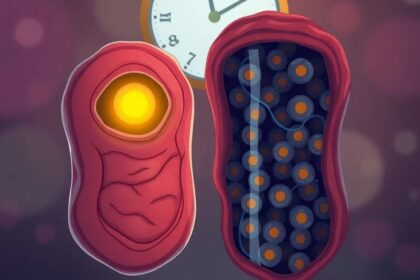
Recent studies show senescent cells can both help and hinder wound repair. Understanding this balance offers new therapeutic strategies for chronic wounds and aging. Senescent cells are not just ̵...

Exploring the latest breakthroughs in partial reprogramming using OSKM factors for anti-aging, with insights from mouse studies and early clinical trials for eye diseases. Recent studies show partial ...

Recent studies on hydra’s negligible senescence overturn traditional aging models, suggesting aging is adaptable and offering clues for anti-aging biotech interventions. New research reveals hyd...

INSITE technology uses ultrasound-guided delivery of hepatocytes in hydrogel microspheres to create vascularizable scaffolds, potentially reducing the need for liver transplants and addressing donor s...

Recent studies reveal mesenchymal stromal cells transfer healthy mitochondria via endocytosis, combating mitochondrial dysfunction in aging and diseases like osteoporosis, with fenofibrate enhancing e...

Stanford’s March 2024 study shows electric field bioprinting improves muscle fiber alignment by 40%, advancing regenerative medicine for injuries and aging, with potential clinical applications ...

Recent studies show targeted epigenetic reprogramming with Yamanaka factors rejuvenates neurons, reversing cognitive decline in aged mice and reducing Alzheimer’s markers, with AI enhancing safe...

The FDA has greenlit the first human trial of ER-100, a partial epigenetic reprogramming therapy targeting age-related eye diseases, marking a pivotal step in anti-aging and regenerative medicine. A l...

A Nature Communications study shows engineered small extracellular vesicles with platelet proteins restore heart rhythm in rats, offering a safer alternative to pacemakers and gene therapies. Innovati...

Biotech advancements in thymus regeneration, like TECregen’s therapies, show promise in rejuvenating immune function for aging populations, addressing delivery challenges and ethical considerati...