
Recent research reveals APOE4 increases hippocampal neuron excitability before Alzheimer’s symptoms, offering early detection via interictal spikes and potential interventions targeting Nell2 pr...

Recent studies highlight how probiotics and fecal microbiota transplantation reduce neuroinflammation and improve cognitive function in neurodegenerative diseases, offering new treatment avenues. New ...
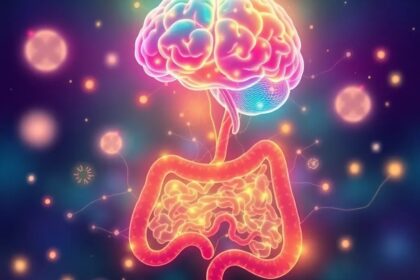
Recent research shows probiotics and fecal microbiota transplantation reduce neuroinflammation via the gut-brain axis, offering promising therapies for neurodegenerative diseases with clinical trials ...
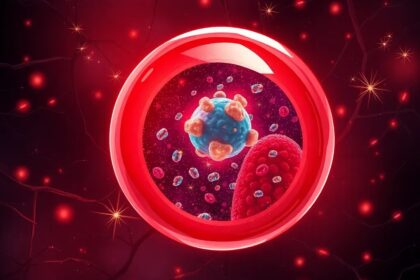
Recent studies show encapsulated mitochondria delivery using red blood cell membranes improves motor function and neuron survival in Parkinson’s disease models, offering hope for mitochondrial d...

Recent research shows lipid nanoparticles delivering mRNA can reduce tau protein aggregates in Alzheimer’s models, with Moderna advancing clinical trials and regulatory support accelerating deve...

Recent research confirms TDP-43 aggregation in vascular dementia, with advancements in biomarkers and therapies highlighting potential for early intervention and personalized prevention. New studies r...

The cGAS-STING pathway, crucial for innate immunity, drives harmful neuroinflammation in aging and Alzheimer’s, with recent studies highlighting therapeutic challenges and biomarker potential fo...

Recent studies validate blood biomarkers like p-tau217 for predicting Alzheimer’s onset within 3-4 years at 94% accuracy, enabling early interventions but raising ethical and socioeconomic conce...

Analytical post exploring CAR-T cell therapy’s potential to treat Alzheimer’s by targeting amyloid plaques, with insights from recent clinical trials and cost-benefit considerations. Innov...

Recent studies reveal CAR-T cells with lecanemab antibodies reduce amyloid plaques in mice, highlighting a shift towards personalized cell-based therapies for Alzheimer’s treatment. New research...