
Recent studies reveal that age-related proteasomal decline activates the cGAS-STING pathway through mitochondrial DNA leakage, fueling chronic inflammation linked to Alzheimer’s, with exercise a...

Recent studies reveal UBQLN2’s role in accelerating α-synuclein aggregation through liquid-liquid phase separation, offering new therapeutic targets for Parkinson’s disease and related ne...

The shift from stem cell transplants to extracellular vesicles offers enhanced stability, easier storage, and scalable production, potentially improving treatment accessibility for conditions like Alz...

Extracellular vesicles from stem cells offer a safer alternative to transplants for Alzheimer’s and Parkinson’s, reducing neuroinflammation and promoting repair with promising preclinical ...

Recent studies link age-related decline in cerebrospinal fluid drainage via the glymphatic system to increased dementia risk, with MRI evidence and interventions like sleep optimization offering hope....

Breakthrough AI tools now detect Alzheimer’s years before symptoms through speech patterns and retinal scans, creating new digital biomarkers that could transform treatment paradigms. Advanced A...

New research shows combining Mediterranean polyphenols with ketogenic fats improves mitochondrial function in HD models, while time-restricted eating enhances therapeutic ketosis and autophagy. Phase ...

A 12-week clinical trial explores time-restricted eating’s potential to enhance mitochondrial function and cognitive performance in early-stage Huntington’s disease. Groundbreaking researc...

A new clinical trial explores time-restricted eating for Huntington’s disease, building on recent research showing benefits for mitochondrial function and autophagy. A groundbreaking clinical trial ...
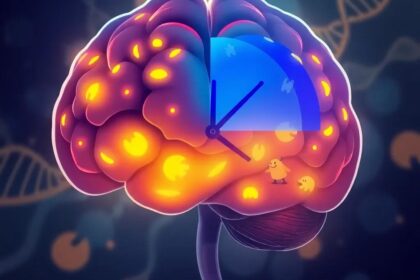
A 12-week TRE protocol (6h window) is being tested for early Huntington’s Disease, showing potential benefits for mitochondrial function and autophagy with 80% adherence expected. New clinical t...
