
Recent ethical debates in longevity science highlight public support for life extension with equity, expert calls for transparency, and policy integration to address ageism and access disparities. Adv...

Partial OSK reprogramming rejuvenates engram neurons in aged mice, improving memory by over 50%, with recent studies enhancing safety and biotech firms advancing towards human trials. New research sho...

Advancements in genetic testing and AI are enabling highly tailored nutrition recommendations, moving beyond generic guidelines to optimize health based on individual biological profiles. The fusion o...

Recent studies show that targeting engrams with partial reprogramming factors improves memory in mouse models, offering a potential therapy for Alzheimer’s and age-related cognitive decline. New...

Recent studies show small molecules efficiently mimic Yamanaka factors to reverse epigenetic aging, with clinical trials on the horizon, offering a safer alternative to gene therapies. Advancements in...
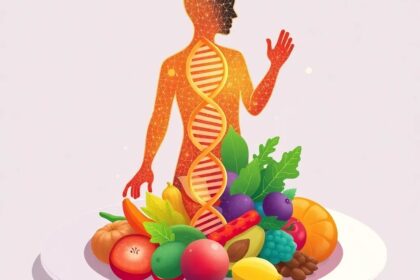
Advancements in AI and genomic testing enable customized diet plans, shifting from generic advice to precision nutrition for chronic disease prevention and wellness. AI and genomics are revolutionizin...

Axolotls, with their unique regeneration and negligible senescence, offer groundbreaking insights for anti-aging therapies, driven by recent epigenetic studies and biotech innovations. Recent studies ...

A study using mRNA technology to produce thymic proteins in the liver boosts T-cell production in aged mice, highlighting potential for aging-related immune decline treatments. Researchers have develo...

Recent findings reveal that long-term MSC-EV treatment enhances cognitive function in aged rhesus monkeys by improving white matter integrity, offering a cost-effective alternative to stem cell therap...

Recent studies and FDA guidelines highlight breakthroughs in EV manufacturing, offering cell-free therapies for aging and diseases by overcoming yield and standardization hurdles. Advances in EV produ...
