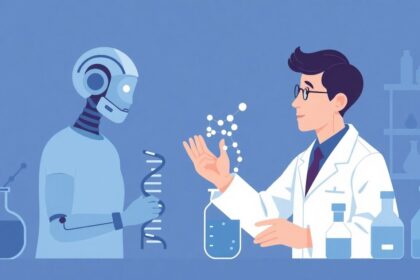
Anthropic launched Claude Science — an AI workbench for researchers — and announced it will run its own drug-discovery programs for neglected diseases, aiming to compress R&D tenfold. What it...

Phase 1 data for BGE-102 demonstrates significant reductions in hsCRP and inflammatory biomarkers, positioning it as a potential best-in-class therapy for cardiovascular risk and age-related inflammat...

A landmark collaboration between Insilico Medicine and Eli Lilly leverages AI to accelerate drug discovery for aging-related diseases, with recent data showing reduced costs and faster development. Th...

New mitochondrial transplantation via red blood cell encapsulation shows 50% efficiency boost and improved motor function in Parkinson’s models, with FDA fast-tracking clinical trials. Recent st...

INSITE technology uses ultrasound-guided delivery of hepatocytes in hydrogel microspheres to create vascularizable scaffolds, potentially reducing the need for liver transplants and addressing donor s...
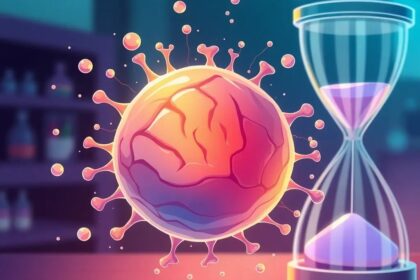
Recent advances in partial cellular reprogramming using OSKM factors show promise in extending healthspan and treating age-related diseases, with biotech firms accelerating towards human trials. New r...

Biotech advancements in thymus regeneration, like TECregen’s therapies, show promise in rejuvenating immune function for aging populations, addressing delivery challenges and ethical considerati...

A new study demonstrates that CAR regulatory T cells targeting oxidized LDL can cut atherosclerotic plaque by 70% in mice, offering a potential one-time therapy for cardiovascular disease prevention. ...
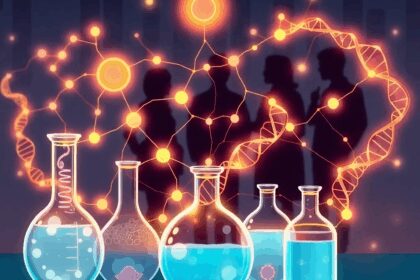
Eli Lilly’s AI collaborations via TuneLab cut preclinical timelines by up to 30% and reduce attrition rates, democratizing drug discovery for smaller firms with enhanced data privacy. Eli Lilly&...
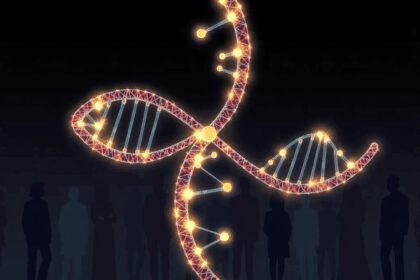
Artificial intelligence is accelerating drug discovery for rare diseases, reducing costs by up to 50% and shortening timelines, enabling bespoke therapies and improving healthcare equity globally. AI ...