
The cGAS-STING pathway, crucial for innate immunity, drives harmful neuroinflammation in aging and Alzheimer’s, with recent studies highlighting therapeutic challenges and biomarker potential fo...
A July 2024 study in ‘Nature Aging’ validates p-tau217 blood biomarkers for forecasting Alzheimer’s symptoms within 3-4 years, enhancing early intervention and personalized medicine....
Recent studies validate blood biomarkers like p-tau217 for predicting Alzheimer’s onset within 3-4 years at 94% accuracy, enabling early interventions but raising ethical and socioeconomic conce...
A new blood test based on p-tau217 biomarker can predict Alzheimer’s symptom onset in 3-4 years with high accuracy, offering early intervention opportunities. Recent studies validate a p-tau217 ...
Partial OSK reprogramming rejuvenates engram neurons in aged mice, improving memory by over 50%, with recent studies enhancing safety and biotech firms advancing towards human trials. New research sho...
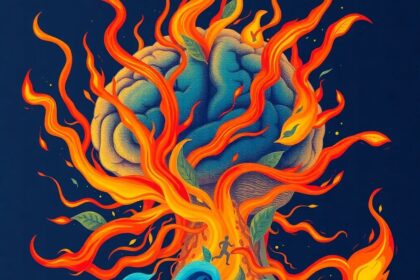
Recent studies reveal elevated IL-6 levels strongly correlate with Alzheimer’s and mild cognitive impairment, highlighting inflammaging’s role and potential for lifestyle and drug interven...
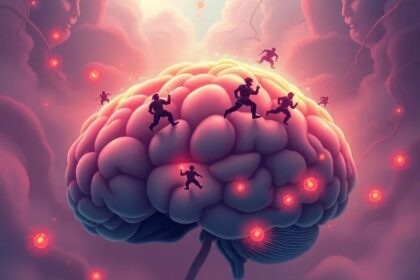
Analytical post exploring CAR-T cell therapy’s potential to treat Alzheimer’s by targeting amyloid plaques, with insights from recent clinical trials and cost-benefit considerations. Innov...
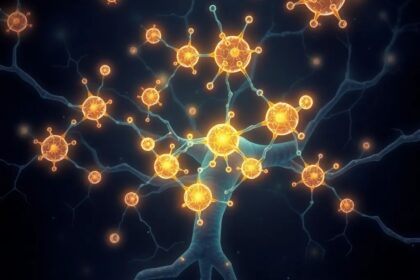
Recent neuroscience studies reveal that functional amyloids, regulated by chaperone proteins, are essential for long-term memory, challenging traditional views and offering new therapeutic avenues for...

Gut Microbiome Alterations Linked to Early Alzheimer’s Risk, Revealing New Pathways for Intervention
Recent studies connect gut microbiome changes to mild cognitive impairment, highlighting the microbiota-gut-brain axis’s role in early Alzheimer’s detection and potential probiotic-based t...
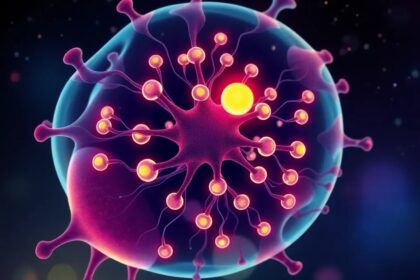
Emerging research identifies mitochondrial dysfunction as a critical factor in Alzheimer’s disease, with new therapies and lifestyle interventions offering hope for early intervention and improv...
