
Recent research reveals Parabacteroides goldsteinii in the gut contributes to age-related cognitive decline through vagal inflammation, offering potential reversible therapies via microbiome modulatio...
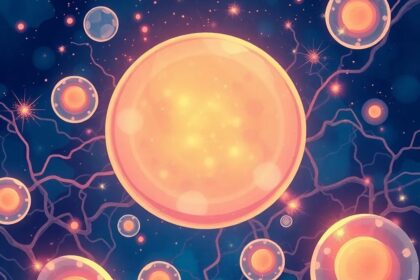
Recent studies reveal mesenchymal stromal cells transfer healthy mitochondria via endocytosis, combating mitochondrial dysfunction in aging and diseases like osteoporosis, with fenofibrate enhancing e...

Recent geriatric research finds positive age beliefs can boost cognitive and physical function by up to 40%, with practical strategies like mindfulness and social engagement supported by new data. New...
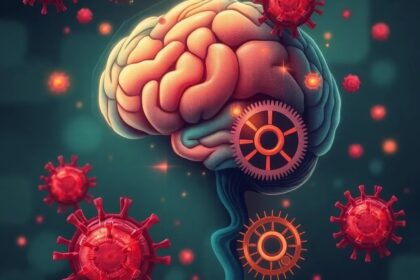
Recent studies reveal complement system biomarkers, such as C3 and C4, change with age and correlate with dementia, offering potential for early Alzheimer’s detection and insights into immune sy...

ARPA-H’s PROSPR program directs over $50 million to aging trials, advancing drugs like Cambrian’s rapamycin analog and Linnaeus’s GPER-targeter, signaling a shift in treating aging a...
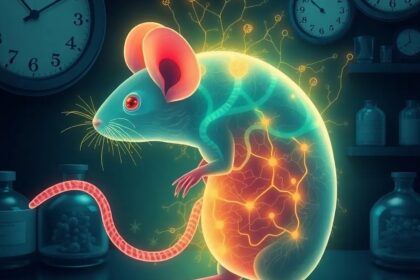
Recent research reveals that depleting gut microbiota in aged mice improves brain structure and function, highlighting the gut-brain axis as a key target for anti-aging therapies. Manipulating gut mic...

Recent advancements in cellular reprogramming, including significant funding and clinical trials, are transforming anti-aging science by targeting root causes of age-related diseases. Cellular reprogr...
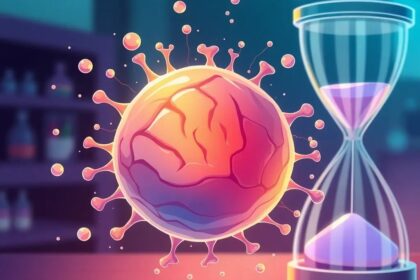
Recent advances in partial cellular reprogramming using OSKM factors show promise in extending healthspan and treating age-related diseases, with biotech firms accelerating towards human trials. New r...

Emerging research links aging oral microbiome with senescent cells to amplify systemic inflammation, driving diseases like Alzheimer’s and offering new intervention targets such as probiotics an...

Recent studies show targeted epigenetic reprogramming with Yamanaka factors rejuvenates neurons, reversing cognitive decline in aged mice and reducing Alzheimer’s markers, with AI enhancing safe...