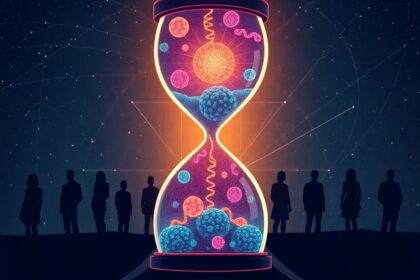
A new multi-phase clinical trial on rapamycin aims to establish safe dosing for anti-aging, bridging the gap between off-label use and scientific validation in longevity medicine. Recent advancements ...
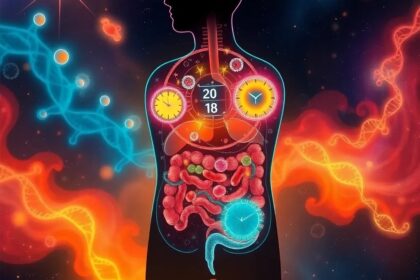
Recent studies show aging clocks integrating clinical and microbiome data can predict biological age, enabling personalized anti-aging interventions through tailored diets and therapies. Advancements ...
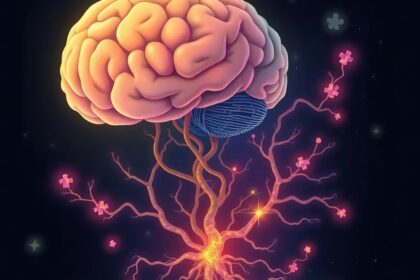
Recent studies highlight how probiotics and fecal microbiota transplantation reduce neuroinflammation and improve cognitive function in neurodegenerative diseases, offering new treatment avenues. New ...
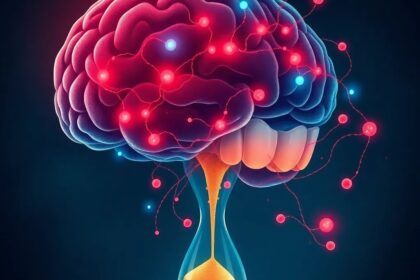
Recent studies show a strong link between periodontal disease and cognitive decline, with severe gum inflammation increasing dementia risk by up to 50%, highlighting preventive oral care. Groundbreaki...
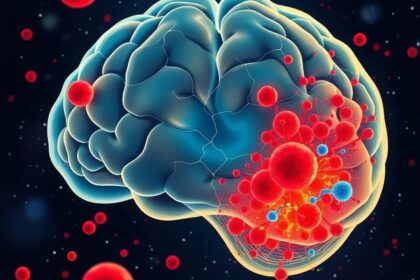
Oxidized LDL’s role in cerebrovascular aging unveils new paths to prevent vascular cognitive decline
Recent studies highlight how oxidized LDL accelerates cerebrovascular aging through inflammation and oxidative stress, with senolytic therapies emerging as promising interventions to combat vascular c...
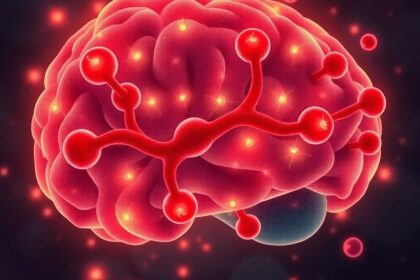
New mitochondrial transplantation via red blood cell encapsulation shows 50% efficiency boost and improved motor function in Parkinson’s models, with FDA fast-tracking clinical trials. Recent st...

Recent studies uncover autophagy’s dual role in aging, suggesting early enhancement through lifestyle may delay decline, while late-stage inhibition in senescent cells could reduce inflammation,...

Recent studies on hydra’s negligible senescence overturn traditional aging models, suggesting aging is adaptable and offering clues for anti-aging biotech interventions. New research reveals hyd...
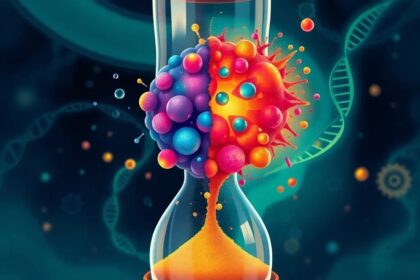
Recent studies highlight autophagy’s conflicting roles in aging: protective early on but sustaining harmful senescent cells under stress, with the threshold model guiding new clinical approaches...

Recent studies from the LEV Foundation and Brian Kennedy’s team show that combining therapies targeting multiple age-related damages can significantly extend lifespan and healthspan in preclinic...