
Recent studies on hydra’s negligible senescence overturn traditional aging models, suggesting aging is adaptable and offering clues for anti-aging biotech interventions. New research reveals hyd...
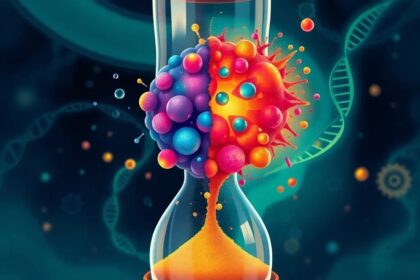
Recent studies highlight autophagy’s conflicting roles in aging: protective early on but sustaining harmful senescent cells under stress, with the threshold model guiding new clinical approaches...

Recent studies from the LEV Foundation and Brian Kennedy’s team show that combining therapies targeting multiple age-related damages can significantly extend lifespan and healthspan in preclinic...

Recent research reveals Parabacteroides goldsteinii in the gut contributes to age-related cognitive decline through vagal inflammation, offering potential reversible therapies via microbiome modulatio...

Recent studies reveal mesenchymal stromal cells transfer healthy mitochondria via endocytosis, combating mitochondrial dysfunction in aging and diseases like osteoporosis, with fenofibrate enhancing e...

Recent geriatric research finds positive age beliefs can boost cognitive and physical function by up to 40%, with practical strategies like mindfulness and social engagement supported by new data. New...

Recent studies reveal complement system biomarkers, such as C3 and C4, change with age and correlate with dementia, offering potential for early Alzheimer’s detection and insights into immune sy...

ARPA-H’s PROSPR program directs over $50 million to aging trials, advancing drugs like Cambrian’s rapamycin analog and Linnaeus’s GPER-targeter, signaling a shift in treating aging a...
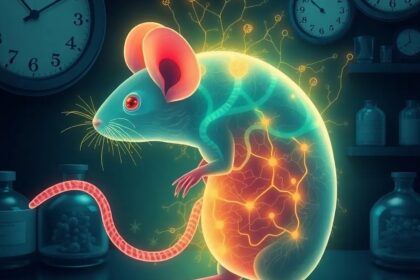
Recent research reveals that depleting gut microbiota in aged mice improves brain structure and function, highlighting the gut-brain axis as a key target for anti-aging therapies. Manipulating gut mic...

Recent advancements in cellular reprogramming, including significant funding and clinical trials, are transforming anti-aging science by targeting root causes of age-related diseases. Cellular reprogr...
