
Stanford’s March 2024 study shows electric field bioprinting improves muscle fiber alignment by 40%, advancing regenerative medicine for injuries and aging, with potential clinical applications ...

Personalized nutrition is advancing with AI and genetic testing, offering tailored diets to improve health and prevent diseases, based on recent scientific studies and new platforms. Advances in AI an...
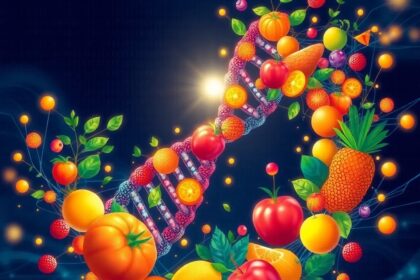
Advancements in AI and genetic testing enable tailored nutrition plans, shifting from generic guidelines to precision health for better chronic disease management and wellness. AI and genetics merge t...

Life Biosciences receives FDA clearance for the first human trial of cellular reprogramming targeting glaucoma and NAION, signaling regulatory openness to longevity therapies and potential vision rest...

Evidence-based mental fitness apps are expanding beyond meditation to include AI-driven CBT and FDA-approved digital therapeutics, addressing global mental health challenges through scalable solutions...
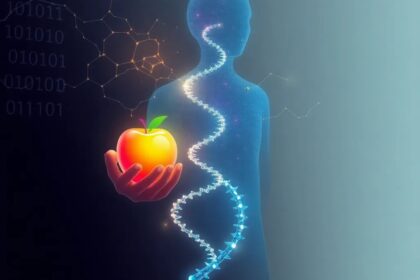
Advances in DNA testing and AI are driving personalized nutrition, with companies like Viome and InsideTracker offering custom plans, but data privacy issues require scrutiny. Personalized nutrition l...
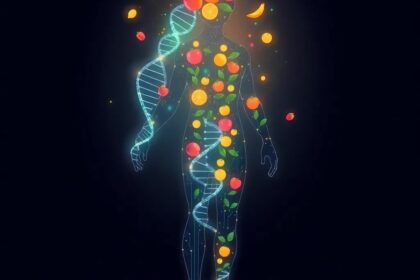
Advancements in AI and genomic testing are enabling data-driven dietary plans that improve health outcomes, shifting away from generic diets. Recent studies highlight significant reductions in chronic...
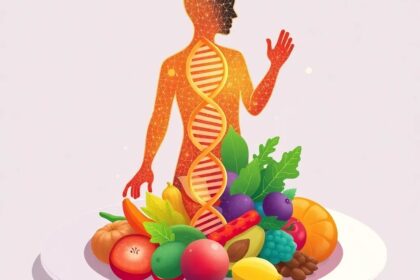
Advancements in AI and genomic testing enable customized diet plans, shifting from generic advice to precision nutrition for chronic disease prevention and wellness. AI and genomics are revolutionizin...
The FDA-approved digital therapeutics market is rapidly expanding, offering effective tools for conditions like diabetes and ADHD, supported by clinical data and growing insurance coverage. Digital th...
Analytical review of personalized nutrition’s growth, using genetic testing and AI, with insights from recent studies at Stanford and King’s College London, focusing on ethical and regulat...
